
Newsletter
People Matter June 2026
Introduction:
As June begins, Australian employers are preparing for significant workplace changes. Payday Super is set to come into effect on 1 July, reshaping payroll and compliance obligations for businesses nationwide. At the same time, the rapid evolution of artificial intelligence continues to transform workplaces, bringing both opportunities and concerns around productivity, skills and employee confidence. Rising unemployment, wage pressures, and ongoing workforce shortages are also influencing how businesses plan, recruit and retain staff. At the HR Dept, we’re here to help you stay informed, compliant and people-focused. Here’s a round-up of the latest workplace news.
News: The ATO is urging employers to prepare for Payday Super ahead of its 1 July 2026 commencement. The reform aims to tackle the estimated $6.2 billion in unpaid superannuation each year by requiring contributions to be paid alongside wages.
News: Young Australian professionals are prioritising steady career progress over leadership ambitions, according to Deloitte’s latest global survey. Cost-of-living pressures are making Gen Z and Millennial workers more intentional about career choices and focused on stability.
News: A new GoTo report found 39% of employees believe AI is eroding their skills and making them feel less intelligent, while 31% say AI use has worsened their social skills. Employers are being urged to establish guardrails around workplace AI use.
News: Australia’s unemployment rate rose to 4.5% in April, up from 4.3% in March, according to ABS data. The number of unemployed Australians has increased 12.3% year-on-year, signalling a softer labour market and prompting employers to reassess workforce planning strategies.
News: The ACTU has asked the Fair Work Commission for a 6% increase to minimum and award wages, citing inflation concerns and ongoing global trade disruptions. If granted, the national minimum wage would rise to $26.45 per hour.
News: The Federal Government has announced $10 million in Local Jobs, Local People grants to help businesses connect with jobseekers and training opportunities.
News: The Western Australian Government is investing $19.6 million to encourage employers to hire apprentices and trainees in the building and construction sector through wage subsidy support.
HR Audits for SMEs: Compliance, Performance, and Retention
 For many small businesses, HR processes evolve gradually over time. But without regular review, gaps in compliance, performance management and employee retention can develop creating unnecessary risk for employers.
A HR audit is a practical way to assess whether your workplace policies, procedures and systems are operating effectively and in line with current Australian employment laws.
Compliance: A HR audit reviews recruitment practices, employment contracts, disciplinary procedures and termination processes to ensure they comply with modern workplace legislation. Staying compliant is essential, particularly as employment laws continue to evolve.
Performance: Audits can also evaluate whether managers are effectively coaching and supporting employees. Identifying leadership or performance management gaps early can improve productivity and team morale.
Salaries and benefits: Reviewing pay structures and benefits helps determine whether your remuneration remains competitive and legally compliant. Addressing inconsistencies can improve staff retention and strengthen your employer brand.
Employee classification: Correctly classifying employees is critical. A HR audit can identify whether workers should be engaged as casuals, part-time employees, contractors, or permanent staff, reducing the risk of costly disputes.
Employee turnover: High turnover can signal deeper workplace issues. Audits help uncover potential causes, whether related to pay, culture, leadership, or workload pressures.
At The HR Dept, we offer comprehensive HR audits designed to help SMEs identify risks, improve workplace processes and support long-term business growth. A proactive review today can prevent significant problems tomorrow.
Formalising an Employee’s Position: Employment Contracts, Awards, and Standards Explained
 Formalising an employee’s role can feel complex, particularly when navigating employment contracts, Awards and the National Employment Standards (NES).
Employment contracts establish agreed terms and conditions, including hours, pay, duties and notice periods. Importantly contracts cannot provide conditions below the NES minimum entitlements.
The NES sets out the minimum employment standards for Australian employees, including annual leave, personal leave, flexible working requests, public holidays and redundancy entitlements.
Modern Awards operate alongside the NES, outlining additional minimum pay rates and conditions based on industry and occupation. Different employees within one business may fall under different Awards.
Enterprise Agreements can also apply, providing collective employment terms that must leave employees “better off overall” than the relevant Award.
Understanding these obligations is essential for compliance and employee confidence. The HR Dept can help ensure your contracts and workplace arrangements are accurate, compliant and fit for purpose.
Preventing Workplace Harassment and Bullying: A Guide for Employers
 Creating a safe, respectful workplace is a critical responsibility for every employer. Harassment and bullying can damage employee wellbeing, productivity, morale and workplace culture.
A strong starting point is implementing a clear zero-tolerance policy covering bullying, harassment, discrimination and sexual harassment. Employees should understand expected behaviours, reporting procedures and consequences for misconduct.
Regular staff consultation is also important. Employers should actively identify risks and address workplace behaviours or pressures that may contribute to bullying.
Training plays a vital role. Employees and managers need to understand what constitutes harassment or bullying, how to respond appropriately and how complaints will be managed.
Managers should also be trained to recognise situations where harmful behaviours may develop and intervene early.
With clear policies, strong leadership and ongoing education, businesses can build respectful, inclusive workplaces where employees feel safe and supported.
Need guidance? The HR Dept can help you strengthen workplace harassment prevention processes.
Part-Time, Full-Time, or Casual Staff: Which Employment Type is Right for Your Business?
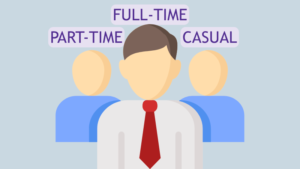 Choosing between part-time, full-time and casual staff depends on your operational needs, budget and workforce flexibility requirements.
Permanent employees provide stability, continuity and stronger long-term engagement, while casual employees offer flexibility for fluctuating workloads and seasonal demand.
Part-time roles can also improve recruitment and retention by appealing to employees seeking work-life balance.
Each arrangement comes with different entitlements and obligations under Australian employment law, including leave, notice periods and casual conversion requirements.
Unsure which structure suits your business? The HR Dept can help you assess the best employment arrangements for your workforce and compliance obligations.
People Matter April 2026
Introduction:
March has delivered a wave of developments for Australian employers, from proposed changes to flexible work laws through to rising workplace risks, economic pressures and evolving workforce trends. Together, these stories highlight the need for proactive, well-informed HR strategies. Now is the time to review policies, strengthen compliance and support your people effectively.
News: Victoria’s move to legislate a right to work from home could support carers and families, but may also drive disputes, higher insurance costs and tribunal pressure. Eligible workers would gain a legal entitlement to work remotely at least two days per week, making Victoria the first Australian jurisdiction to legislate WFH rights.
News: Work-related distress is widespread, with nine in 10 Australian workers reporting strain and over one in five experiencing extreme levels. The Suicide Prevention Australia Spotlight Report, based on a January 2026 survey of 1,018 workers, highlights key drivers and cultural factors shaping distress across industries.
News: Rising fuel costs, linked to Middle East conflict, are increasing operating expenses for Australian businesses. Employer groups, including the ACCI, warn of significant flow-on effects and are calling for a coordinated national response to manage the impact.
News: Australia’s unemployment rate rose to 4.3% in February despite 49,000 new jobs, signalling a labour market that remains tight but is softening slightly. The number of unemployed people increased to 659,100, reflecting gradual easing conditions.
News: Multiple jobholding edged up to 976,400 Australians in the December quarter, a modest 0.4% rise. Growth has slowed compared to earlier in 2025 and remains below 2024 levels, suggesting some stabilisation in secondary employment trends.
News: Preventing workplace sexual harassment must be treated as a safety issue, according to the AIHS. Employers are urged to take consistent, organisation-wide action to protect workers and foster respectful environments, particularly in support of women’s wellbeing and participation.
News: A union push to increase minimum annual leave to five weeks has sparked mixed reactions. Business groups warn SMEs may face workforce planning challenges if changes proceed. Employers should monitor developments.
5 Ways to Build an Inclusive Workplace: A Guide for Employers
 Recognising the LGBTQ+ community and highlighting the importance of inclusion at work. For Australian employers, building an inclusive workplace is not just about compliance with Fair Work obligations; it also reduces conflict, improves engagement and strengthens overall performance.
Australia’s workforce is diverse, and inclusive businesses are better positioned to attract and retain talent. Here are five key ways to build a more inclusive workplace.
Write an Equality, Diversity and Inclusion Policy: A clear policy sets expectations, aligns your business with Australian law and outlines how issues will be managed. It also signals that inclusion is a priority.
Review Your Recruitment Process: Check for unconscious bias in how roles are advertised and candidates assessed. Widen your talent pool by focusing on skills and potential rather than rigid criteria.
Focus on Training and Development: Provide inclusion training at key stages, such as induction and leadership transitions. Ensure equal access to development opportunities for all employees.
Review Broader Company Policies: Look beyond gender pay gaps to identify other disparities, including disability or cultural background. Consider how policies like leave, flexibility and dress codes may impact inclusivity.
Lead from the Front
Leadership behaviour shapes workplace culture. Use inclusive language, address issues promptly and demonstrate fairness in decision-making.
At The HR Dept, we understand SMEs must balance inclusivity with commercial realities. With the right approach, inclusive workplaces drive productivity, loyalty and long-term success. For practical, tailored advice, get in touch with the HR Dept team today.
Flexible Working Requests: A Guide for Employers
 Flexible working refers to changes to an employee’s working arrangements to better suit their needs. This may include altered hours, job sharing, staggered start and finish times, or working from home.
While often requested by employees, flexible working can also benefit employers through improved engagement, retention and productivity.
Employees may request flexible working for many reasons. Commonly, this includes caring responsibilities for children or dependants, but it can also relate to health, study or lifestyle needs.
Although employees are entitled to unpaid leave for emergencies involving dependants, flexible working arrangements can provide a more sustainable long-term solution.
It is important that all requests are considered fairly and consistently. Employers should assess each case on its merits, taking into account business needs while avoiding discrimination risks.
Having a clear process in place will help ensure compliance and support positive outcomes for both the employee and the business. Contact your local HR Dept today.
How to Support and Nurture Good Mental Health at Work
 Mental health issues are not always visible, yet they are common across Australian workplaces. Many employees experience stress, anxiety or depression, which can impact productivity, attendance and overall wellbeing.
For employers, failing to support mental health can also create legal risks, as some conditions may qualify as a disability under workplace laws.
- Creating an open and supportive culture is essential. Reducing stigma encourages employees to speak up and seek help before issues escalate.
- Work-related stress is often linked to poor work-life balance. Employers should monitor workloads, encourage regular breaks and avoid promoting long-hours cultures. Training managers to recognise early warning signs is critical.
- Bullying and harassment must also be addressed through clear policies and swift action.
- Employee Assistance Programs can provide confidential, professional support for staff challenges both inside and outside work.
By taking proactive steps, employers can improve wellbeing, reduce risk and build a more resilient workforce so contact your local HR Dept today.
Managing Untaken Holiday in Your Business: A Guide for Employers
 Managing annual leave can be challenging, particularly when employees do not take their full entitlement. However, ignoring untaken leave can create risks for your business.
Under Australian law, full-time employees are entitled to four weeks of annual leave, which accrues progressively. Employers should encourage staff to take leave regularly to support rest and wellbeing.
A clear annual leave policy is essential. This should outline how leave is requested, approved and managed, including any rules around peak periods or shutdowns. While a “use it or lose it” approach may seem practical, it must be applied carefully and reasonably.
Taking a proactive approach helps maintain compliance, reduce burnout and ensure smooth workforce planning talk to your local HR Dept today
People Matter March 2026
Introduction:
As February wraps up, the focus for businesses across Australia remains on navigating the evolving landscape of employment, wages, and workplace safety. Several significant updates have emerged, from public holidays to shifts in workforce dynamics, and March promises more developments. Below is a summary of key stories you should be aware of as we head into the next month. If you’d like to discuss how any of these stories impact your business or need support with HR-related matters, don’t hesitate to get in touch!
News: New South Wales businesses should prepare for an additional public holiday on April 27, following ANZAC Day. The NSW government declared this new holiday after ANZAC Day falls on a Saturday, and this will also apply in 2027. Employers should plan for potential disruptions to staffing and payroll in light of this change.
News: Australia’s unemployment rate remained steady at 4.1% in January, with a slight dip in the number of unemployed persons, dropping to 624,700 from 626,600 in December, according to the Australian Bureau of Statistics.
News: Hiring intentions for Australian employers have increased in 2026. According to Robert Walters’ Salary Guide, 80% of businesses plan to hire this year, up from 76% in 2025. South Australia leads the way with 88% of businesses intending to recruit.
News: Wages grew by 0.8% in the December quarter, pushing annual wage growth to 3.4%. Strong pay increases in the public sector and healthcare sector contributed to this rise, showing continued wage pressure as industries battle talent shortages.
News: The Employee Mobility Institute has formed a new Immigration Advisory Group to ensure businesses have a voice in immigration policy, especially as the debate around visas and migration settings intensifies.
News: NSW Parliament passed the Work Health and Safety Amendment (Digital Work Systems) Bill, introducing a “Digital Work System Duty” to protect workers from AI-driven systems that could impact their safety.
News: A report by Resume Now found that 69% of workers feel their skills are underutilised, raising concerns about employee engagement and retention.
Using AI in Recruitment: Benefits, Risks and Best Practice
 Since the rise of ChatGPT in 2023, AI has had a major impact on the recruitment process. However, like any tool, it comes with its own set of risks and benefits for both employers and candidates.
Are your candidates using AI when they apply?
AI has made it easier for candidates to create polished CVs and cover letters, often using tools to generate compelling content. While these documents might seem impressive, they could be misleading. Subtle “tells” might hint at AI use, such as overly generic language or inconsistencies in tone. Worse still, AI can sometimes introduce false information that goes undetected during screening. The risk is that a candidate may look great on paper but fail to deliver once hired. Ensure you verify skills through face-to-face interviews and reference checks.
Benefiting from AI in your recruitment process
AI tools can help you streamline recruitment by sorting CVs, conducting initial assessments, and even running video interviews. These technologies save time but carry risks such as false positives, where an AI tool might misclassify a candidate.
From a legal standpoint, using AI in recruitment brings two main concerns: data protection and equality law. AI often collects vast amounts of data, which can breach privacy policies if not handled properly. Consider performing a data protection impact assessment to safeguard your practices. Additionally, AI algorithms can sometimes be biased, so it’s essential to have human oversight in decision-making to avoid discriminatory practices.
Incorporate AI thoughtfully into your recruitment processes, and be transparent with candidates about how it is being used. The right balance can lead to smarter, more efficient hiring, but only if you’re mindful of the potential pitfalls. Contact the HR Dept today.
Start-Up Success: Essential HR Policies and Procedures
 HR is often the last thing on your mind when starting a business, but strong HR policies are essential to set your business up for success. Start-ups with solid HR practices attract and retain talented employees, which is crucial for growth.
HR policies ensure you recruit the right people and comply with Australian laws. Many workers, especially in hospitality and retail, are covered by modern awards, which set out minimum pay and working conditions. The HR Dept will ensure compliance with these awards, covering areas like overtime, leave, and meal breaks.
Also, make sure employment contracts are up to date, reflecting current employment laws. Regular performance management and fair compensation motivate and retain employees, which helps the business thrive.
A workplace policy manual should cover crucial areas like anti-bullying, health and safety, and code of conduct. Training and a positive workplace culture are equally important. By contacting the HR Dept right from the start, you position your start-up for long-term success.
Shake Up Your Interview Process for the Modern Workplace
 The traditional interview process is outdated. With the rise of hybrid working, flexible hours, and an emphasis on mental and physical wellness, the way we interview must evolve.
Interviews today should focus less on a formal interrogation and more on whether the candidate and the company are a good fit. Use questions that assess autonomy, adaptability, and problem-solving, such as, “How do you manage stress working remotely?” or “Can you describe a situation where you had to act without direct supervision?”
Don’t forget to allow candidates to ask their own questions. This two-way conversation helps both sides determine if it’s the right fit. You might also consider inviting candidates to informally meet the team to gauge cultural fit in a relaxed setting.
By shaking up your interview process, you’ll better assess candidates’ suitability and find employees who align with your workplace values and the demands of a changing environment so contact the HR Dept today.
How to Set KPIs for Small Businesses: A Practical Guide
 As your small business grows, it’s crucial to set Key Performance Indicators (KPIs) to track your success. KPIs help you assess whether your efforts are paying off and identify areas for improvement.
Start with simple KPIs, such as:
- Net Profit: Track profitability by comparing revenue to expenses over time.
- Efficiency Ratio: Measure how effectively your business uses assets to generate sales.
- Cash Flow Forecast: Ensure a balanced inflow and outflow of cash to avoid financial strain.
- Customer Acquisition Cost: Track the cost of acquiring new customers through marketing and sales efforts.
- Staff Retention: Monitor employee turnover to ensure a stable workforce.
Don’t forget to track customer satisfaction and market share to ensure you’re staying competitive. KPIs can be simple but powerful tools to keep your business on track and guide future growth.
If you need help implementing KPIs, reach out to The HR Dept for guidance.
Celebrating Women at Work: Supporting Equality and Inclusion in the Workplace
 International Women’s Day (8 March) celebrates women’s achievements and raises awareness of gender equality. This year’s theme, #GiveToGain, encourages individuals to call out bias and inequality, particularly in the workplace.
Despite women outnumbering men in higher education, the gender pay gap persists, influenced by factors like industry, unpaid caregiving, and unequal access to career progression. Employers can address this by ensuring equal pay opportunities, offering family-friendly policies, and fostering an inclusive company culture.
This #IWD2026, consider celebrating the women in your workplace and making a commitment to greater equality and inclusion contact your local HR Dept today.
People Matter February 2026
Introduction:
The last few months have reinforced how quickly the people landscape is evolving for Australian employers. From shifting expectations around flexibility and wellbeing, to longer hiring timelines, payroll reform and workforce transformation, HR leaders are navigating a complex mix of risk and opportunity. Staying informed and proactive is essential. Below is a snapshot of the key employment trends from the past month and what they could mean for your business.
News: Workplace flexibility is increasingly shifting from a guaranteed perk to a negotiated benefit. Recent research shows employees are far less resistant to return to office mandates than a year ago, with only a small minority saying they would resign immediately if required to attend the workplace. Despite this change, flexibility remains a decisive factor in attraction and retention, particularly where hybrid arrangements support productivity and wellbeing.
News: Payroll practices are under pressure as Payday Super approaches its July commencement. Experts warn the reform will remove the unofficial cash buffer many small businesses have relied on under quarterly super payments. Employers running weekly or fortnightly payrolls while receiving customer payments on longer terms may face sudden cash flow strain without early preparation.
News: Employee wellbeing continues to dominate HR conversations. Long-term Australian research tracking thousands of workers found significant mental health improvements among employees working from home for part of the week. The strongest benefits were seen where staff worked remotely for around half to three quarters of their hours, particularly among women with existing mental health concerns.
News: Recruitment remains challenging. Employers are now taking an average of five weeks or more to complete hiring, reflecting greater caution before committing to new talent. However, longer recruitment processes are contributing to higher rates of declined job offers. That risk is amplified by a disconnect between what employers offer and what candidates expect. Many organisations report losing candidates due to uncompetitive pay, limited flexibility, slow recruitment, unclear progression and misalignment with values or role expectations.
News: Looking ahead, HR leaders are prioritising AI transformation for 2026, while gig and contract work continues to expand.
How to Handle Complex Employee Grievances Effectively
 With a nationwide network of HR professionals, we often identify emerging workplace trends early. One clear pattern in recent months is that employee grievances are becoming more complex, particularly those involving disability, harassment, senior-level conflict or potential employment law breaches.
Straightforward grievances can sometimes be resolved informally by line managers. Complex grievances, however, are far more likely to require a formal process. This increases time, cost and risk for businesses, especially SMEs.
A complex grievance is not a legal term, but typically involves sensitive allegations, multiple parties, overlapping disciplinary issues or senior employees. These cases demand careful planning and strict procedural compliance.
As soon as a grievance appears complex, we recommend seeking advice from an HR specialist such as the HR Dept. Early guidance helps avoid common mistakes, reduces management burden and increases the likelihood of resolution without escalation.
Effective handling begins with triage. Understand the full scope, identify related processes and confirm you have sufficient resources and impartial decision-makers. Acknowledge the grievance promptly in writing and arrange a meeting to clarify the issues raised.
A thorough investigation should follow, led by an independent investigator where possible. Evidence and witness statements must be documented clearly. Once complete, hold a grievance hearing, share findings in advance and allow the employee to be accompanied.
Decisions must be lawful, consistent with policy and communicated in writing, with a right of appeal offered.
If you are facing a complex grievance, The HR Dept can provide expert, practical support.
How to Onboard Employees Successfully: Key Do’s and Don’ts
 You only get one opportunity to make a first impression with a new employee. Effective onboarding builds engagement, trust and retention, while poor onboarding can quickly undo a successful hire.
Good onboarding starts before day one. Maintain communication between offer and start date, confirm key details, issue contracts promptly, and ensure equipment and system access are ready. Early preparation signals professionalism and care.
Avoid changing the role or expectations before the employee starts. Onboarding is built on trust, and surprises at this stage often lead to early exits.
Don’t overload new starters with information in their first few days. Spread learning over time so it sticks and feels structured rather than rushed.
Think broadly about what new employees need: role clarity, compliance, training, company culture and behavioural expectations. Set clear, achievable goals early so they understand how they contribute.
Finally, don’t leave them unsupported. Assign a buddy, schedule check-ins and, for remote workers, increase contact to build connection and confidence.
If you need help onboarding Employees The HR Dept can provide expert, practical support.
How to Reduce Short-Term Absence and Protect Business Productivity
 Short-term absence is a growing challenge for Australian businesses, particularly as illness circulates more widely. While absence is sometimes unavoidable, frequent disruption can strain teams, delay work and impact cash flow.
Presenteeism also causes problems by spreading illness and reducing productivity. Managing absence effectively requires consistency, structure and fairness.
A clear absence management policy is essential. It should explain reporting requirements, monitoring methods and return-to-work expectations, and be communicated during induction.
Tracking absence data helps identify patterns early. Modern cloud systems make monitoring simple, reduce administration and support informed decisions.
Strong processes matter. Require employees to report absence personally where possible and hold return-to-work conversations to offer support while reinforcing expectations.
Finally, workplace culture plays a powerful role. Employees are more likely to attend work when they feel valued, supported and treated fairly.
If you need help reducing short-term absence while supporting your people, The HR Dept can help you implement effective, compliant solutions.
Why Performance Management Matters: Boost Productivity, Engagement and Retention
 Performance management is about clarity, support and recognition. Without it, underperformance can persist unchecked, while high performers may feel overlooked and disengage.
Effective performance management sets expectations through regular conversations, clear goals and two-way feedback. It helps employees understand what success looks like and how they contribute to business outcomes.
It also promotes fairness, consistency and informed decision-making. When done well, performance management strengthens engagement, improves retention and drives productivity.
If you want to build a performance culture that supports both people and results, The HR Dept can help you put the right processes in place.
People Matter January 2026
Introduction:
January opens 2026 with a mix of opportunity and pressure for Australian employers. From rapid advances in artificial intelligence and shifting workforce expectations, to cost-of-living stress and regulatory reform, HR leaders are balancing innovation with care. This month’s headlines highlight where to focus attention early in the year: skills, compliance, flexibility and employee wellbeing.
News: The Federal Government has announced free AI skills training for up to one million Australians, addressing a growing shortage of AI-capable talent. Subsidised scholarships will support an online microskill course aligned with the Government’s Guidance for AI Adoption, released in October, with a strong emphasis on ethical and practical use.
News: Hiring conditions are expected to stabilise in early 2026. ManpowerGroup’s latest Employment Outlook Survey shows 43% of Australian employers plan to maintain current staffing levels in the first quarter, while 36% anticipate increasing headcount and only 17% expect reductions.
News: In New South Wales, businesses have avoided steep workers’ compensation premium increases following an agreement between Labor and the Coalition. The reforms are expected to freeze premiums for 18 months and prevent increases of up to 36% over three years.
News: Financial stress remains a major concern for employees. TELUS’ 2025 Mental Health Barometer found 44% of Australian workers cite financial worries as their primary source of personal stress, reinforcing the link between money pressures, mental health and workplace performance.
News: Flexible work continues to evolve. International Workplace Group research suggests working closer to home will be a defining trend in 2026, with senior leaders recognising the productivity and retention benefits of local and hybrid work models, even amid tighter return-to-office policies.
News: The ATO returned more than $1 billion in unpaid superannuation to nearly one million employees in 2024–25 and is increasing enforcement, with almost 209,000 compliance actions raised against employers.
News: MIT’s Project Iceberg estimates current AI systems could already perform tasks equivalent to 11.7% of US labour activity. Closer to home, the Australian Senate will inquire into a proposed right to request WFH for employees nationwide Australia.
Five top tips for staying productive over the summer
 The summer months often bring a slowdown at work. Colleagues and clients take annual leave, the heat encourages early finishes, and diaries suddenly feel lighter. While days can drag, this quieter period can also be a powerful opportunity to refocus, develop skills and set yourself up strongly for the months ahead.
Here are our top tips for staying productive this summer:
- Get strategic. Use the calmer weeks to look ahead. What challenges or projects are coming later in the year, and how can you prepare now? Involve colleagues in short brainstorming sessions to build momentum and shared ownership.
- Prioritise training. Finding time for learning during busy periods is tough. Summer is ideal for completing training that improves capability, confidence and effectiveness, whether technical, leadership or compliance focused.
- Schedule meaningful one-to-ones. Managers can use this time for informal catch-ups with team members. Talk about goals, workloads, wellbeing and career aspirations without the pressure of formal reviews.
- Turn leave into development opportunities. When colleagues are away, offer others the chance to step in and learn new tasks. Acting up builds skills, confidence and visibility across the business.
- Invest in networking. When workloads ease, it’s easier to reconnect. Attend events, arrange coffees or simply check in with contacts you have not spoken to in a while.
Enjoy the breathing space summer provides, but use it wisely. A focused, productive summer will leave you better prepared, energised and organised for the challenges the rest of the year will bring. This approach benefits individuals, teams and overall business performance long term.
New Year’s resolutions for your SME business
 2026 is underway and a new year often brings fresh goals. Beyond personal resolutions, it is a moment to reset priorities for your SME and focus on impact.
Retaining great people should be high on the list. Holding on to skilled employees is far more cost-effective than recruiting anew, and engagement, development and wellbeing all play a role. Ongoing training, clear progression pathways and benefits that support physical and mental health can strengthen loyalty and performance.
Many SMEs are also looking to improve diversity, equality and inclusion. Real progress starts with reviewing recruitment practices, language and decision-making to reduce bias, and creating a culture where everyone feels welcome and heard.
Boosting productivity remains another common goal. Regular appraisals, effective hybrid working arrangements and time-management training can help teams work smarter, not harder.
Finally, review your HR processes. Clear policies aligned to goals drive growth – the HR Dept is always here to help put these in place!
The January work itch: managing resignations and recruitment at the start of the year
 January often brings increased movement in the labour market. After time off and New Year reflection, some employees feel ready for change, making this a prime period for both recruitment and resignations.
For employers, the new year can be a strong time to attract talent. Candidates are motivated, refreshed and more open to opportunities that align with their goals and values.
At the same time, businesses may face unexpected departures. In smaller teams, the loss of a key employee can significantly affect capability and continuity. Monitoring engagement early in the year, holding regular conversations and addressing concerns quickly can help identify potential leavers before decisions are final.
While you cannot eliminate the “January itch”, you can reduce its impact through recognition, development and clear career pathways.
If resignations occur, manage exits professionally and plan recruitment carefully, with assistance from the HR Dept; we are always here to help.
People Matter November 2025
Introduction:
As November begins, Australian employers are facing growing expectations around wellbeing, fairness and compliance. Mental health continues to dominate workplace discussions, while regulators sharpen their focus on harassment, pay transparency and lawful job advertising. Meanwhile, economic headwinds and legislative changes mean SMEs must stay alert to shifting HR obligations. As always, the HR Dept is here to help you navigate the everchanging HR landscape.
News: A report from Allianz has found that 59% of Australian employees have experienced mental distress caused by work, including anxiety, burnout and emotional exhaustion. The findings underline the need for employers to address workload, culture and psychological safety.
News: Researchers from Rutgers University have reported that social-media content can strongly influence employee motivation and emotion throughout the workday. They suggest businesses consider guidance or limits on social-media use at work to help staff stay focused and emotionally balanced.
News: The Australian unemployment rate rose to 4.5% in September, the highest since 2021, according to ABS data. An extra 34,000 people are now unemployed, signalling a softening labour market that may ease hiring pressures but challenge job security.
News: A new analysis shows one in three workers have experienced sexual harassment in the past five years – up from 21% a decade ago. Despite legal reforms, harassment remains widespread, with lawyers urging businesses to strengthen prevention, reporting and training measures.
News: Over 400,000 public-sector employees in NSW can now seek orders and damages for bullying or harassment via the Industrial Relations Commission under reforms introduced in October.
News: Proposed federal legislation will require employers to pay superannuation at the same time as wages from July 2026, replacing the current quarterly schedule and tightening compliance penalties.
News: The Fair Work Ombudsman has warned businesses after job adverts with illegal pay rates more than doubled in the past year. More than 300 infringement notices were issued, reinforcing that all advertised roles must meet minimum award or wage standards.
News: The Australian Human Rights Commission is intensifying oversight of employers’ efforts to prevent sexual harassment, discrimination and victimisation, particularly in high-risk sectors such as retail and hospitality.
The Importance of Getting a Workplace Investigation Right
 Investigations into grievances or disciplinary issues are vital for fairness and trust within an organisation. Very few disciplinary matters can be managed properly without one. While timeliness is key, investigations should never be rushed. A considered approach supports the individual involved and improves accuracy, as memories fade over time.
Choosing the right person
Appoint someone impartial, who isn’t directly involved in the matter and who has the knowledge and experience to handle the issues raised. They must have access to all relevant information and the time to complete a thorough investigation. Agree on clear terms of reference and widen them if new issues arise.
The investigating officer must remain fair and objective – their role is to establish facts, not prove guilt. Interviews should be confidential and, where appropriate, allow support such as interpreters.
Collecting evidence
Questions should focus on factual details rather than hearsay. Supporting evidence may include emails, receipts, or CCTV footage. Once complete, the investigator should prepare a report with accompanying witness statements. This will form the basis of any further disciplinary action.
Independent help
Many businesses engage an external HR professional to conduct or advise on investigations, recognising the value of independence and expertise. The HR Dept also provides training for managers who wish to build their own investigation skills.
Even SMEs can face reputational damage if an investigation is mishandled. At the HR Dept, our retained clients have access to crisis comms support, providing professional PR assistance to manage adverse media coverage alongside unlimited HR advice.
Decisive Action Against Sexual Harassment
 High-profile organisations like the ABC and McDonald’s have faced serious sexual-harassment allegations, proving that strong policies alone aren’t enough. Despite having HR teams, failures in culture and accountability allowed misconduct to persist.
Following the Me Too inquiry, the Government plans to introduce a mandatory duty on employers to protect workers from harassment, with laws expected in 2026.
All employers – regardless of size – must already comply with the Sex Discrimination Act, covering harassment by colleagues, managers, customers or suppliers. Implement zero-tolerance policies, train managers to handle complaints, and ensure reports are addressed promptly and appropriately.
Need help with this type of problems contact your local HR Dept today!
Preventing Punctuality Problems
 Punctuality isn’t just courtesy – it’s essential to teamwork and productivity. Whether covering shifts, serving customers or joining meetings, being on time keeps operations running smoothly.
Employers should address lateness early, using both policy and conversation. Include clear expectations in your employee handbook and discuss them at induction. When lateness occurs, speak privately with the employee to understand the cause. Sometimes there’s a legitimate reason – such as childcare or health issues – that may warrant flexibility.
For recurring issues, hold a one-to-one meeting with the employee to highlight the impact on colleagues and the business. If no valid reason is provided, follow your disciplinary procedure.
For larger or hybrid teams, time-tracking technology can help maintain transparency and records.
Managing punctuality fairly but consistently promotes respect, accountability and team morale, while reducing disruption and conflict. If you’d like help implementing a policy, get in touch with your local HR Dept today.
Dealing With Bullying in the Workplace 

Bullying doesn’t just happen in schools; it can occur in any workplace and seriously harm wellbeing and performance. Bullying includes intimidating, offensive or malicious behaviour such as spreading rumours, constant criticism, exclusion, or impossible demands. It may be verbal, written or online, and can happen as a one-off or repeated pattern.
While bullying itself isn’t illegal, harassment under Australian discrimination law is. Employers have a duty of care to protect their staff’s health and safety. Review management behaviour, clarify where strong leadership crosses into bullying, and promote a zero-tolerance culture.
A clear bullying and harassment policy – with alternative reporting lines – ensures complaints are handled properly. Failure to act can lead to anxiety, absenteeism, and resignations, damaging morale and reputation.
Now is a great time to review your company’s policy and provide manager training – the HR Dept is here to help.
People Matter October 2025
Introduction:
As October begins, workplaces across Australia are navigating shifting expectations and fresh challenges. From government investment in mental health and legislative changes on public holidays, to debates over hybrid work, multiple jobholding, and the growing use of AI in recruitment, the HR landscape is as dynamic as ever. Employers face increasing demands to provide security, protect wellbeing, and adapt to evolving employee priorities. At The HR Dept, we’re here to keep you informed and supported. Here’s your round-up of the latest workplace news.
News: The Victorian State Government is investing $1.6 million to support the mental health of workers in the aged care and disability sectors, aiming to reduce high rates of mental injury claims. Government data shows healthcare and social assistance account for more than a quarter of WorkCover mental injury claims in the past five years.
News: In Western Australia, new legislation will shift three existing public holidays and introduce two new ones. The Public and Bank Holidays Amendment Bill 2025, introduced this week, proposes Easter Saturday as a public holiday and a new Show Day on the first Monday of the September/October school holidays. Changes are set to apply from 2028.
News: A Robert Half survey suggests Australian work arrangements are stabilising. Some 74% of employers have no plans to change office or remote work expectations, with 46% maintaining hybrid policies and 28% requiring full office attendance.
News: Employment Hero reports one in three Australians is juggling multiple jobs to cope with cost-of-living pressures. Poly-employment now affects 34% of workers, similar to Canada (36%) and New Zealand (33%).
News: ComPsych data shows sick leave for mental health has surged 300% since 2019. Overall absences rose 30% between 2019 and 2024.
News: people2people Recruitment has found that 25% of candidates are using AI to write CVs and cover letters, raising authenticity concerns.
News: The 2025 Hatch Hotlist has revealed that young Australians are prioritising job security and growth opportunities over salary in their roles.
News: Federal Parliament has passed the Fair Work Amendment (Protecting Penalty and Overtime Rates) Bill 2025, safeguarding extra pay for 2.6 million workers.
Do You Worry About Your Employees’ Use of Social Media?
 Social media is deeply embedded in our daily lives. TikTok, Instagram, LinkedIn, Facebook all provide employees with the means to connect, but also to create risks for your business. Reputational damage, bullying, productivity losses, and even compliance breaches (such as accidental insider trading) are all possible outcomes.
The answer? A clear, well-communicated social media policy.
What is a social media policy?
It sets out expectations for employees when using company social media accounts, and – where it impacts your business – their personal accounts. It also explains consequences for breaches, linked to your disciplinary policy.
What should it include?
On company accounts:
• Who is authorised to post
• Approval/sign-off processes
• Confidentiality safeguards
• Cybersecurity measures
• Fact-checking and copyright rules
• A ban on profanity or hate speech
• Escalation procedures for issues
On personal accounts:
• No posts that could harm the company’s reputation
• No bullying or discriminatory behaviour
• Limits on social media use during working hours
• Possible disclaimers clarifying personal views are not those of the employer
Policies must be more than a document. Communicate them during onboarding, refresh them periodically, and train staff who manage official accounts. This way, if issues arise, you’ll have a clear framework for managing disciplinary or legal processes.
Don’t forget, social media can also be a positive force. Employees can become excellent advocates for your organisation if guided properly. Harnessing this energy, while protecting your business, is the real value of a good policy.
At The HR Dept, we can help you draft, update, or enforce a social media policy – keeping your people safe online and your business secure.
How Good HR Can Combat Sickness Absence
 Sickness absence continues to challenge employers, with recent data showing sharp rises in both minor illness and mental health-related leave. For SMEs, every lost day can add pressure.
The first step is a sickness absence policy, setting out how staff should report illness, what documentation is required, and what happens on return. Requiring employees to phone in (rather than text) and conducting return-to-work interviews are effective ways to deter casual absence and support genuine cases.
Recording and monitoring absences is also vital. Tools like The Bradford Factor can highlight patterns, such as frequent short absences, which may be more disruptive than one longer illness.
Employers should also consider preventative measures, from ergonomic workstation checks to workload reviews and mental health support. Together, these actions build resilience, reduce absence, and demonstrate care for employee wellbeing.
Need help? The HR Dept can strengthen your absence management processes.
How To Do a Great Holiday Handover
 Annual leave is vital for wellbeing, but a poorly planned holiday handover can create stress for both the absent employee and their team.
The key is preparation. Notify colleagues early, prioritise essential tasks, and assign responsibilities clearly. Think carefully about workload distribution—overloading others creates risk. Written notes and access permissions will also smooth the process.
Holiday handovers can be an excellent development opportunity. Assigning responsibility to a junior team member can act as a trial run for leadership, helping them build skills and confidence.
Training and shadowing before the absence are helpful, particularly if client or supplier relationships are involved. And don’t forget the return handover: review how things went, give praise, and support development.
If planning reveals gaps in your business, the HR Dept can help with management training, recruitment support, or even short-term HR cover.
Is It Okay to Do Background Checks After Hiring?

Background checks are a standard part of recruitment, but in a competitive market, delaying some checks until after employment starts may be practical – as long as the contract makes ongoing employment conditional on passing them.
Essential checks, such as right-to-work verification for vulnerable roles, must always be done before work begins. Others, like education or reference checks, may follow.
Periodic re-checks, such as annual credit or drug testing, may also be appropriate.
Need clarity on vetting processes? The HR Dept can guide you through pre- and post-employment checks compliantly.
People Matter September 2025
Introduction:
As we head into September, workplace news is as fast-moving as ever. Proposals for a four-day week and potential new rights to work from home are stirring debate, while falling employee engagement and the ongoing war for talent keep pressure on employers. This month also shines a light on offboarding security lapses, the power of flexibility in attracting and retaining staff, and Australia’s continuing gender imbalance across occupations.
At The HR Dept, we’re here to help you understand these changes, assess the risks and opportunities, and respond in ways that keep your business compliant, competitive, and people-focused. Here’s what’s making news this month.
News: The Australian Council of Trade Unions is proposing a national move toward a four-day work week at the Federal Government’s economic roundtable. The union says it’s time to transition to shorter weeks, but business groups have warned of productivity and cost concerns.
News: The Victorian Government is pressing ahead with consultation on legislation that would enshrine the right to work from home. Employers are encouraged to participate and share feedback on what’s fair, practical, and sustainable.
News: Employee engagement has dropped to its lowest point in a year, with only three in 10 Australian workers feeling economically secure. ELMO Software’s latest data shows engagement fell to 68% in Q2 2025, down from 71.8% at the end of last year.
News: A US poll revealed 40% of former employees still have access to work accounts after leaving, highlighting the need for robust offboarding processes to prevent security risks.
News: HireRight’s global survey found candidates are walking away from job offers when remote work isn’t available, signalling flexibility remains a powerful recruitment tool.
News: In the US, 73% of workers say they’ll remain in their current role to keep their current level of flexibility.
News: Only 21% of Australian jobs are gender-balanced, according to Jobs and Skills Australia, with segregation unchanged for most occupations since 2006. Employers are urged to consider diversity strategies to widen their talent pool.
Managing Flexible Working Requests
 Flexible working requests can arise at any time, often triggered by changes in personal circumstances – for instance, caring for a relative, managing health needs, or simply seeking a better work-life balance. For employers, these requests can create opportunities as well as challenges.
What counts as flexible working?
It’s easy to think only of working from home, but flexible work covers a wide range of arrangements, such as:
• Reduced, compressed, or annualised hours
• Flexi-time
• Amended start/finish times
• Hybrid working
• Job shares
• Part-time work
• Shift swapping
• Term-time working
These options can help employees balance commitments while contributing effectively at work.
The legal position in Australia
Under the Fair Work Act, certain employees have the right to request flexible working, including parents of school-aged or younger children, carers, people with disabilities, those aged 55+, or those experiencing family violence. Requests must be in writing and outline the change sought and reasons. Employers must respond in writing within 21 days, approving or refusing with reasonable business grounds – such as cost, capacity, or impact on service.
Balancing business and people
Consider the benefits, such as improved retention and morale. If a request is temporary, an informal agreement may suffice; permanent changes may require a contract update.
Fairness and risk
Apply decisions consistently but be mindful of discrimination risks, particularly indirect discrimination, which can occur when policies disadvantage certain groups.
Help getting it right
A clear flexible working policy supports consistency and transparency. If you need help drafting one or responding to requests compliantly, contact your local HR Dept office.
Managing the Disciplinary Process in an SME
 Your staff can be a major asset, but sometimes, behaviour or performance issues require formal action. Common causes in SMEs include lateness, unauthorised absence, misuse of internet/email, breaches of health and safety, and, less often, harassment or discrimination.
A fair disciplinary process generally involves four stages:
- Investigation – gather facts, meet the employee, and speak to witnesses.
- Hearing – provide written notice, outline concerns, and allow the employee to respond, with a support person present.
- Outcome – deliver your decision in writing, explaining findings, penalties (if any), and timeframes.
- Appeal – ensure an independent review is available.
SMEs often struggle to resource each stage with different people, but external HR support can help.
Whenever possible, resolve issues informally first. Keep matters confidential, record all steps, and act reasonably.
We’re here to help; contact your local HR Dept office for expert disciplinary support.
Managing the Return to Work from Long-Term Sickness Absence
 Long-term sickness absence (generally four weeks or more) affects both the employee and the business. Staying in touch during the absence helps them feel valued and connected, while allowing you to plan for workload cover and provide support resources.
When planning a return, balance business needs with the employee’s situation. Options may include a full return, phased hours, modified duties, or permanent role adjustments. Occupational Health advice can be useful, especially for phased returns or light duties. Pay arrangements should follow your policies, ensuring fairness and consistency.
On their first day back, give a warm welcome, introduce any new team members, and hold a one-to-one to review expectations. Continue regular check-ins to monitor progress and reasonable adjustments.
If a condition is ongoing, maintain open communication and manage capability issues in line with Australian employment law.
Need help? Contact your local HR Dept office for expert return-to-work support.
How Should You Manage Maternal Mental Health?

Around 20% of mothers experience mental health challenges during pregnancy or in the years after birth. While work may not cause these issues, it can add pressure. Poor maternal mental health can lead to absenteeism, lower performance, and loss of valued staff – and, if mishandled, legal risk.
Employers can help by staying in touch during maternity leave, offering optional keeping-in-touch days, holding a pre-return meeting, and considering phased or flexible working. Occupational health services can also support recovery.
Need help? Contact your local HR Dept office for compliant, compassionate maternity support planning.
People Matter August 2025
Introduction:
With the new financial year under way, a wave of updates to workplace laws and labour market trends is making headlines. From wage increases and AI adoption to major safety and wellbeing reforms, there’s a lot for employers to stay on top of. At The HR Dept, we’re here to help you cut through the noise and keep your business compliant, productive, and people-focused. Here’s what you need to know this month.
News: The Fair Work Ombudsman has reminded employers that the 3.5% minimum wage increase must now be applied. The rise took effect from the first full pay period on or after July 1. Not sure if your team is on the right rate? Use the FWO’s Pay Calculator or speak with your local HR Dept office.
News: Roughly 6,000 Victorian businesses are now exempt from payroll tax after the State lifted the tax-free threshold to $1 million. A further 22,500 employers will benefit from a reduced payroll tax burden.
News: Australia is expected to face a shortage of nearly 250,000 finance, tech, and business workers by 2030, according to a new report from the Future Skills Organisation. Demand for these roles is outpacing general job growth, meaning employers need to plan early for long-term talent acquisition and development.
News: A SafeWork NSW recruitment drive is adding 51 new inspectors, including 20 focused on psychosocial safety. This reinforces the need for all employers to assess and address mental health hazards in their workplaces.
News: A global survey by BCG found 72% of employees now use generative AI regularly at work – but most haven’t received proper training. It is becoming increasingly apparent that without clear policies and people strategies, AI risks outweigh the rewards. The HR Dept can help with this!
News: The NSW Government has passed reforms enshrining gender equality and banning workplace bullying and harassment under updated workplace laws. If your policies haven’t been reviewed recently, now’s the time. The HR Dept is here to help update and advise on workplace laws.
Are you responsible for your employees’ safety during their commute to work?
 At this time of year, even if your team work a nine to five, some or all of them may find themselves commuting in the dark. If you are in the hospitality trade, or another industry which keeps less-regular hours, you may have employees who must commute in the dark at all times of year.
Employers naturally want to ensure the wellbeing of their staff and would never wish for employees to come to harm or feel consistently unsafe. While it may not be possible to guarantee safety during commutes, the positive news is that there are several proactive steps employers can take to help enhance commuting safety:
- Encourage lift shares – it will reduce the number of people commuting alone and may also foster camaraderie between colleagues.
- Targeted flexi-time – give staff who need it the freedom to commute during daylight.
- Pay for a taxi or ride share like Uber – if employees are staying late temporarily at your request.
- Phone check-ins – suggest that staff can phone to say they have left for work and then follow-up if they don’t arrive on time.
- Personal safety devices – as a small employee perk, you could include a personal alarm in your employee benefits package, as a line of defence for them and peace of mind for you. There are even phone apps you can subscribe to which have a panic button linked to a 24/7 monitored service.
- External lighting – ensure that parking areas and walkways are well lit.
If this is a concern in your business and you would like to talk it through with an expert, please do not hesitate to contact your local HR Dept.
Five ways you could tackle workplace stress in your business
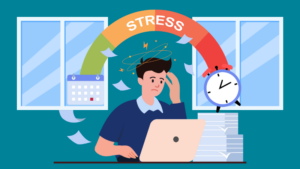 The effects of too much stress at work can be wide-ranging, and include:
- Performance issues
- Increased conflict
- Tiredness, frequent headaches and other physical ailments
- Behavioural changes
- Poor time-keeping or absenteeism
If any of the above issues sound familiar, there are many good management practices and ideas that you can adopt to get on the front foot.
- Introduce new training
- Conduct a staff survey
- Perform a stress risk assessment
- Offer an employee assistance programme
- Flexible working options
Need extra help? If stress has been a problem for people in your business and you would like to come up with a plan, please reach out to our experts. Or if there is a specific solution that we have mentioned above which you would like to find out more about, just ask your local HR Dept.
Managing emotion and culture during an investigation
 Don’t hit send on an angry response if you get a complaint by email. In fact, the first person you should talk to is your HR professional; whether that is an outsourced service like ours, or someone in-house. Have us on speed dial!
Should the informal approach fail you need to protect the complainant, potential witnesses and the accused, and you can do this by staying as neutral as possible. Show that you are being fair and objective to everyone. Bringing in a third party to manage the investigation can help here.
If an investigation or other issue triggers cultural challenges or training needs within your business, we can help. Our experienced HR professionals can advise on your best way forward to get everyone focused and working productively for you. Just ask your local HR Dept.
How well prepared for work are your new hires?

How Well Prepared For Work Are Your New Hires?
When you hire someone with limited or no workplace experience, you will be well-aware that you are making a trade-off. Compared to experienced staff, they will be cheaper and should be easier to mould into your ways of working. The best ones will have a hunger to learn and impress.
But on the flip side, they have a lot to learn (making mistakes along the way), will require more supervision which takes time and energy, and may simply be in for a shock when they realise the standards you require of them.
According to a new survey from a US educational content technology and services provider, the class of 2025 are feeling ill-prepared to enter the workforce – only 41% of graduates felt university had taught them the skills they need for their first jobs, compared to more than 60% the year before.
This is not good news for them, and it is not good news for you as an employer either. So what can you do to ensure you are hiring employees that do adapt well to working in your company?
Consider experience as well as, or instead of, degrees
Let’s start with a review of the person specification you put together before hiring, really thinking about what is required for the job. Traditionally, many employers have only accepted graduates for certain roles, but the landscape is different now.
For example, apprenticeships have been pushed hard in recent years and Training levels introduced. With alternative routes to employability, ones which involve hands on experience, less of a focus on having extensive education and more of a focus on the experience you feel is necessary for the job could be the solution for you.
Invest more in training for new recruits
“What if I train them and they leave?”, “What if you don’t, and they stay?” is a famous quote by renowned management consultant William Edwards Deming.
We all recognise that everyone has to start somewhere. If you are noticing a trend that although good enough to be hired by you, new recruits are falling short in some ways, an investment in more training may be the obvious solution (although, timely use of probation periods is also an option if they really are hopeless!).
Offer an internship
Fostering relationships with local universities could be a way to get ahead, and help better prepare the next generation for the world of work. Some institutions will part fund work placements, reducing the outlay you would have to make.
As well as the wonderful opportunity you are offering to students, internships give you a chance to better understand the talent pipeline before you spend the money on hiring.
Your local HR partner
At The HR Dept, we can help with all stages of recruitment, from planning to the job interviews. We can also assist with designing and delivering training courses, so if you need help with any of the above, please get in touch with your local HR Dept.
People Matter July 2025
Introduction:
It looks like industries embracing AI are seeing a real boost in productivity. According to PwC’s 2025 Global AI Jobs Barometer, sectors most exposed to artificial intelligence are recording significantly higher productivity and revenue growth – up to 27%, compared to just 7.3% in 2022. The research suggests that when AI is introduced with purpose, employees start delivering more value for their organisations.
But while international competitors are accelerating their AI adoption, Australia risks falling behind. The Business Council of Australia is calling for immediate action, including fast-tracked upskilling, to ensure the country becomes a global leader in AI by 2028.
If you’re looking to upskill your team, get in touch with your local HR Dept. We’re here to help!
News: The number of Australians working multiple jobs fell in the March quarter. Latest ABS figures show 963,100 people held more than one job (6.5% of all employed people) down from 990,500 in December.
News: The Federal Government has signalled new workplace reforms, with a focus on protecting penalty rates, improving support for employees affected by stillbirth or infant loss, and limiting the use of non-compete clauses.
News: Australia’s minimum wage will rise by 3.5% from 1 July, following the Fair Work Commission’s annual wage review. The decision will see pay increases for around 2.9 million of the country’s lowest-paid workers.
News: A recent survey by LiveCareer reveals that 45% of HR professionals admit to regularly posting “ghost jobs” – ads for roles that are either not available or never existed. While some employers use these ads to build pipelines or gauge market interest, the practice risks reputational harm, applicant distrust, and even legal exposure.
News: The Productivity Commission has confirmed that hybrid work is not to blame for falling productivity. In fact, remote work played no role in the post-pandemic drop, which appears linked to broader structural shifts.
News: A new apprentice mentoring program is being rolled out to boost female participation in trades. Targeting South Australia and WA, the initiative aims to increase the number of women apprentices by 50% by 2028.
When was the last time you reviewed your employee benefits
 It is one thing to have an employee benefits package in place, but it requires a bit of extra effort and care to review it periodically to ensure it is delivering value to you and your employees.
Your process of review might look something like this:
Check your strategy
Do you intend to match what your competitors in the jobs market are offering or exceed it, and why? Are you attracting the right talent? Do you struggle with keeping good staff? Is there a lot of sickness absence? Maybe staff are finding it difficult to get a GP appointment. Do your employee benefits reflect your brand the way you intend?
Review their cost
We all know that with many services we need to shop around from time to time to ensure the contracts are still competitive.
Monitor uptake
There is no point in offering a suite of employee benefits if staff are not using them. You may choose to directly canvass staff about the benefits on offer and what they value.
See what else is available
There may be new products or services available now which better appeal to a more diverse workforce.
Check your employment contracts
It is wise to keep your employee benefits out of your employment contract and state that they are discretionary in nature.
Ask an expert
At The HR Dept, employee benefits are one of our specialities. As well as being able to provide bespoke advice to you, we partner with some leading employee benefit providers who can offer you great deals. Let The HR Dept design a bespoke benefits package for your team today.
Managing staff sickness in cold and flu season
 As a proactive employer, there is a good deal you can do to head off staff sickness absence. Let’s take a look at some of the steps you can take.
Have a strong sickness absence policy… and enforce it
An absolute foundation of your approach to managing sickness absence is to have a sickness absence policy.
Ensure that you record sickness absence
Recording sickness absence is essential. It allows you to monitor apparently excess absence, and observe suspicious patterns of sickness.
Offer a company flu jab, and/or other health benefits
The modest cost of the flu jab for your team is well worth paying to reduce the chances of such impactful illness hitting your operations.
Flexible working
Whether you are a fan of flexible working or not, remote working may be an invaluable tool to maintain productivity during cold and flu season. Let HR Dept help you implement flexible working solutions that boost productivity.
Five ways to maximise the impact of your staff training
 For staff training to be effective, it is important for you to reinforce the training once it has been completed. Here are five of our top tips for best practice.
1. Gain feedback
Most training providers will ask for feedback for their own purposes, but you should be interested in how the training went, too.
2. Put the training into practice
Make sure training is chosen pragmatically with a realistic chance of being acted upon in the days and weeks afterward.
3. Link the training to career progression
It is important that they see the link to more responsibility, respect and improved remuneration over time, too.
4. Ask the employee to present on the training
Ask employees to present on what they learnt after they have completed it.
5. Never stop training
Many organisations embrace a value of life-long learning, and for good reason.
Discover how HR Dept can elevate your team’s skills through ongoing training.
Five benefits of taking the time to listen to your staff

Your staff is the backbone of the company, which is why listening to your staff is as important as listening to your clients. That’s why in this blog, we will provide the main benefits of listening and considering what your staff has to say:
1. Better company ideas
Employees are bound to notice things that could be done better.
2. Avoid disaster
Make sure your team always know they can come to you when there is a problem, so you can put it right as soon as possible.
3. Improve morale
Make sure that everyone has equal opportunity to be heard.
4. Boost retention
This is a great way of encouraging development and creating a pathway to promotion opportunities.
5. Improve your own skills
This will help you as a business leader.
Contact HR Dept today to learn more about how you can improve your business through listening.
People Matter June 2025
Introduction:
With the Albanese Labor Government securing a resounding re-election victory, the stage is set for major changes in the Australian employment landscape. With strong support for worker-focused reform, we can expect increased union influence, faster wage negotiations, and broader employment protections. Here at the HR Dept, we anticipate a more interventionist policy stance, particularly around pay equity and job security, so now is the time to review your internal systems and processes! If you’re unsure where to start, get in touch with your local HR Dept for advice and guidance.
News: The latest 2025 Board Diversity Index shows women now hold 37% of ASX300 board roles – up from last year. While this is progress, broader diversity gaps remain.
News: Australian wages rose 3.4% year-on-year to March 2025, largely driven by public sector agreements. It’s the first increase since mid-2024, though still softer than the same period last year.
News: Global office usage rose to 37% in Q3 2024, according to XY Sense, reflecting a stabilised hybrid model. In Australia, flexible returns to the office seem to be becoming standard.
News: A Robert Half survey found 52% of Australians would change jobs for better pay, while 32% would move even without a salary bump. As retention becomes more challenging, reviewing your employee value proposition is essential. Your local HR Dept can help you get it right.
News: Several professional bodies have asked the Government to delay Payday Super reforms due to readiness concerns. While no official update has been issued, employers should plan for potential changes.
News: Twenty-three per cent of Australians report feeling overloaded at work – higher than in Japan or Singapore. Need a fresh wellbeing strategy? Your local HR Dept is here to help.
News: The Fair Work Ombudsman has published a new guide that aims to help employers identify and correct underpayments of employee entitlements. The Payroll Remediation Programme guide has information on:
- diagnosing a problem and designing a large-scale, employee-centred PRP
- managing employee communications
- finding and paying former employees
- self-reporting to the FWO
Five things that should be on every SME employer’s to-do list after Labor’s re-election
 The Labor Government’s re-election means major workplace reforms are coming – and fast. Here are five key actions every small business owner should take now:
Stay informed: Legislation will change quickly. Not every proposed reform will pass, but many will. Stay up to date, and don’t try to guess – your local HR Dept can help you make sense of what applies to your business.
Review your contracts: Day-one sick pay, minimum hours for casuals, and limits on fixed-term contracts could all impact your employment agreements. Your local HR Dept can review and update your contracts to ensure full compliance.
Update policies and your handbook: Employment policies must keep pace with legal change. From rights to disconnect to leave entitlements, your handbook needs to reflect the new reality. The HR Dept can handle this for you as a project or through ongoing support.
Train your managers: Your line managers need to understand what’s changing – especially if it affects how they manage conduct, hours, or leave. We offer training sessions tailored to your industry and team needs.
Prepare for a cultural shift: With easier tribunal access, stronger union rights, and worker-focused protections, the overall tone of employment law is changing. Employers should adopt a proactive, inclusive, and legally sound approach to HR management.
Not sure where to begin? Whether you need quick advice, updated documents, or full HR support with insurance, get in touch with your local HR Dept. We’ll help you stay ahead of the changes.
Supporting LGBTQ inclusion in the workplace
 Pride Month is a celebration, but also a reminder that true inclusion must be ongoing – especially in the workplace. Despite social progress, discrimination remains a reality for many LGBTQ employees.
Start by reviewing your anti-discrimination policy. Ensure it clearly includes sexual orientation, gender identity, and gender expression. This sends a strong message that your workplace is safe and inclusive from day one.
Inclusion doesn’t end with policy. Actively seek feedback from LGBTQ staff. What support matters most to them? From pronoun awareness to inclusive facilities and Pride visibility, small actions lead to meaningful impact.
Support shouldn’t be seasonal. Consider joining or supporting local LGBTQ networks, offering DEI training, or creating employee-led inclusion groups.
Looking to strengthen your inclusivity practices? Your local HR Dept can help you audit your policies and build a truly inclusive culture.
Using personality testing to improve your people management
 Managing people is never a one-size-fits-all approach. Personality profiling tools such as the Myers-Briggs Type Indicator (MBTI) can offer insight into individual strengths, communication styles, and team dynamics.
When used well, personality testing can help leaders tailor how they support their teams. It allows for better task delegation, improved collaboration, and fewer misunderstandings – without putting people in unhelpful boxes.
It’s also a great self-awareness tool. Managers who understand their own style can better recognise gaps and build trust with diverse team members.
Profiling can reveal untapped potential or explain persistent conflicts. It’s a valuable tool for recruitment, development, and team building.
At the HR Dept, offer personality profiling and debrief sessions tailored to your business needs. If you’re looking for ways to better understand and support your team, contact your local HR Dept today.
Supporting parents in the workplace

Supporting working parents is a must for retention and engagement.
Practical steps include clear leave policies (like parental leave or dependant’s leave), flexible working arrangements, and benefits such as salary packaging or health cash plans.
Flexibility should come with structure. Clear expectations, regular check-ins, and outcome-based performance reviews help working parents succeed – without compromising business goals.
Creating a parent-friendly culture isn’t just the right thing to do – it makes business sense.
Want help building or updating your support policies? Get in touch with your local HR Dept for expert advice.
People Matter May 2025
Introduction:
It seems that hybrid work arrangements have become the new normal in Australian workplaces, as a new report finds that we’re entering a “stabilisation phase” after a few unsettled years.
Research from the Australian HR Institute shows that 44% of employers require their staff to be in the office three to five days a week, down from the 48% recorded in 2023. It also found that 82% of employers also expect hybrid work to remain the same or increase over the next two years. If you’d like to establish a stable hybrid workplace policy, have a chat to your local HR Dept.
News: The unemployment rate rose across Australia in March, according to the Australian Bureau of Statistics. The seasonally adjusted rate now sits at 4.1%, with 614,600 unemployed across the country.
News: A new report from the Bankwest Curtin Economics Centre found that lost productivity resulting from absenteeism and presenteeism related to reproductive health conditions could reach $21.3 billion a year. The Australian Government is being encouraged to introduce universal reproductive health leave as a result.
News: A survey from HiBob has found that 65% of Australians would like a four-day work week compared to the traditional five days. However, according to the report, fewer than half of employees would accept a four-day work week if it meant:
- A reduction in salary
- A reduction in holiday allowance
- Giving up flexible work arrangements, such as hybrid work
News: Employee engagement in Australia has dropped to 16%, with engagement rates the lowest for remote employees, according to ADP’s People at Work 2025 report.
News: Findings from the National Australia Bank showed that business confidence fell one point in March, to remain in negative territory. According to the report, there were declines in finance, property and business services, manufacturing, wholesale and construction, while mining, retail and transport increased.
News: The Victorian Government has launched a new campaign to reduce work-related aggression and violence towards employees in public-facing roles. Called “Don’t Cross the Line”, the campaign calls on the public to consider the impact of yelling, swearing, and hostility towards employees.
All My Employees Are Leaving! How To Spot It And Stop It
 What can employers do to spot the signs and prevent a potential wave of leavers? Read our top tips on staff retention below.
Revisit Recruitment: From accurately naming job roles to making sure you are matching skill sets with specifications, strong recruitment can play a big part in employee retention.
Invest In 121 Time: 121s gives you the chance to check in with your employees. How are they handling their current responsibilities? Are they working well in their team? Could some training be beneficial? Discussing these issues should give you some indication of their current happiness at work and their intentions to progress in their current role.
Make Necessary Changes: From your increased one-on-one time with your employees, it’s probable that you will receive some feedback on the way things are going within your workforce. It’s a good idea to have an open mind when collecting this feedback and see it as a useful tool to boost overall productivity and morale.
Feedback Before Farewell: If you and your employee have been through the above and something still doesn’t feel quite right, it might be time to bid them farewell. But before their last day, it would be a good idea to schedule an exit interview.
Create A Contingency Plan: By having a contingency plan in place for your workforce, you can feel more prepared in the event of people leaving.
If you have experienced a high employee turnover in recent times and would like some advice on retention, contact your local HR Dept advisor today.
Shhh! I Am Trying To Work
 How can you fine tune your working environment so that everybody can be at their best?
Modifying the environment: You may have some flexibility to cater for different working styles, with open-plan or communal areas where people can come together to collaborate, problem solve and bond; phone booths where people can talk freely; and quiet rooms where team members can take themselves off to concentrate.
Managing your employees: If you can’t strike the right balance with the workplace environment, another approach is to explore ways in which individual employees can work comfortably.
Could people who prefer the quiet come in earlier so they can have focus time to concentrate? Or start and finish later to catch some quieter time at the end of the day?
Still struggling? Get in touch. We can use our years of experience to find the right solution for you to run your business effectively.
Politics In The Workplace
 While politics never goes away, the intensity of an election brings the debate into much sharper focus. It is sensible for employers to be on the front foot in providing boundaries for the conversation within the workplace.
While a productive workplace will see employees come to work rather than natter, conversation is inevitable. If you have some firebrands in your midst, you can provide a steer regarding political discussion along the lines of:
- Work not being an appropriate place to get drawn into heated political discussions.
- Nor is it okay to push views on others.
- Respect other people’s opinion.
- Be wary of making personal or professional social media posts that could be perceived to bring the company into disrepute.
We are here to prevent people problems so if you find that your workplace is turning too political and would like some outside help, please do not hesitate to get in touch.
Managing Different Cultures In The Workplace: Do’s And Don’ts

The World Day for Cultural Diversity for Dialogue and Development is celebrated on May 21.
Here is a collection of Do’s and Don’ts to encourage cultural diversity:
- Don’t… rely on assumptions and stereotypes
- Do… recognise that different cultures come with different communication styles
- Do… cater to different cultures at workplace events
- Don’t… forget alternative cultural celebrations
- Do… be open to requests
- Do… look for opportunities for celebration
- Don’t… allow a space for conflict
Our HR experts can help with any aspect of employing a multicultural workplace. If you need anything, please get in touch.
People Matter March 2025
Introduction:
Australian businesses are being urged to take a closer look at their benefits and incentives, as recent reports indicate that many employees are looking towards greener pastures for work.
According to new report from Aon, 67% of Australians are either in the process of moving employers or have intentions to seek new employment in the next 12 months.
Nearly half of the respondents (48%) said they are looking for organisations that provide better than average pay and meaningful benefits.
This comes as only 22% of employees feel undervalued at their current employers, with only 51% agreeing that their current compensation is fair.
Meanwhile, Gartner’s latest Global Talent Monitor report found that only a third of Australian employees said they intend to stay with their current employer amid low perceptions of workplace culture and agility.
The data found that just 33.7% of employees want to stay with their current employer in the fourth quarter of 2024, a decline from the 35.4% in the previous quarter.
If you’d like to put strategies in place to incentivise and retain your workforce, please get in touch with your local HR Dept. We are here to help.
News: More than 9 in 10 (92%) of Gen Zs are using TikTok and other social media platforms as new career resources. As such, the time is now for Aussie businesses to enhance their online presence if they want to attract next-generation talent.
News: Close to nine in 10 employees have worries over job security due to the widespread adoption of AI tools, according to a new report from Resume Now.
News: Three in four employees in Australia would consider leaving an organisation where workplace sexual harassment is not taken seriously, according to a new report from Our Watch. The survey found that 83% of female employees and 67% of male employees would consider leaving a job if workplace sexual harassment was not adequately addressed.
News: The Australian Government will establish a new Disability Employment Centre of Excellence, aimed at improving employment outcomes for people with disability.
Help! My employee doesn’t want to work their notice period!
 Whether or not you saw it coming, an employee leaving can present a problem for your business. Even more so if they declare that they do not intend on working their contractual or statutory notice period.
When it comes to how best to deal with your sudden leaver, see below for tips:
Seek first to understand: If they have been a good employee and their position is relatively easy to fill, you may agree an early termination date and save yourself their pay. Alternatively, if they are leaving to join a competitor you could put them on garden leave. Or if you feel they would be problematic, pay them in lieu of notice. You’ll need appropriate clauses in their contract to do this.
Notice periods: The employee’s notice period will depend on their length of service and contractual terms. Employees must give their employer a minimum of one week’s notice once they have worked for one month. Be sure to check the employee’s contract to understand the length of notice they are obliged to give.
However, if they have told you that they have no intention of returning to work their notice period, you are within your rights to refer to contractual agreements.
Escalating it to court: It’s possible that the employee leaving can cause a lot of disruption for your business, and you may be considering the legal route. If an employee has breached their contract, you can take them to court.
Would you like further discussion on what to do when an employee won’t work their notice? Call your local HR Dept today.
Which of these four types of employee benefits are you offering?

We have broken down the different employee benefit offerings into four distinct categories:
Benefits at work: Flexible hours, remote working, training and development all fall into this category.
Health benefits: Health benefits are anything which help your employees stay fit, healthy and well. They could include health cash plans and employee assistance programmes which cover counselling and advisory services – helping with mental health.
Financial benefits:Thanks to auto-enrolment you will almost certainly offer one financial benefit through pension contributions, but there are many other options in this area. From discounts or cashback on everyday shopping to life insurances like death in service benefits.
Lifestyle benefits: Lifestyle benefits relate to benefits which can improve your employees’ lifestyles. There may be some overlap with health benefits or financial benefits here with schemes like cycle-to-work and corporate gym membership an option.
Leadership effectiveness: the evolution of the “human” approach

Being a leader, you’ll know that a big part of your job is to manage a range of personalities with varying temperaments and qualities. One approach to becoming a more effective leader is mastering the introvert/extrovert spectrum.
Whether introvert or extrovert, not everyone is comfortable having conversations that can be heard by everyone. So, it can be thoughtful and effective to include workspaces that enable privacy.
Research has shown that in meetings of six or more, two people usually do over 60% of the talking. This can lead to misunderstanding where, say, it is assumed that an introvert is not engaging with a discussion. It’s helpful therefore to share any agenda in advance so introverts have time to think about their input rather than having to improvise.
If you’d like assistance with mastering this human approach to leadership, please get in touch with your local HR Dept.
Knowing me, knowing you: should you use workplace personality tests?

Personality tests, which come in many forms, attempt to profile individuals based on psychological traits and types. These drive behaviour, motivation, communication and such like.
There are undoubtedly many benefits to conducting personality testing in the right context. It can help with:
- Motivating staff
- Conflict resolution
- Management and leadership development
- More efficient and effective communications
- Identifying key job attributes
- Staff retention
If you would like to explore introducing such testing into your business and want advice, please do not hesitate to get in touch with us.
People Matter February 2025
Introduction:
With the introduction of the Wage Theft Offence Criminal Act, the last of Australia’s major employment law changes have now come into effect. That means that as of January 1, it’s now a criminal offence to intentionally underpay an employee. This applies to employee entitlements under the Fair Work Act 2009 (FW Act) or a fair work instrument (such as a modern award or enterprise agreement), including superannuation. As such, it’s never been more important to ensure you’re paying your staff correctly – please get in touch with your local HR Dept for help, advice and guidance.
News: A report from ADP Research has found that only 24% of the global workforce feel confident they have the skills needed to advance to the next job level. Only 17% of workers believed their employers were investing in the skills they need for career advancement.
News: The latest data from the Australian Bureau of Statistics states that there are 986,400 multiple job-holders in the country, which is equivalent to 6.6% of employed people. Wage cuts and underemployment are major contributors to the growing number of multiple job-holders in Australia.
News: NewsWire has reported that 5.5 million Australian employees are likely to seek new opportunities this year. Around half of these people are considering a new job because they are not keeping up with the rising costs of living.
News: Job vacancies in Australia have gone up for the first time in more than two years, after increasing to 344,000 in November 2024, according to the latest data from the Australian Bureau of Statistics. The Job Vacancies Survey revealed that vacancies were up by 14,000, or 4.2%, from August 2024 – the first rise since May 2022.
News: A survey from LiveCareer has found that three in five employees in the United States want a four-day work week, as they believe it would make them more productive at work. The survey found that 67% of employees want a four-day work week, with women (76%) more likely to support the change than men (57%).
Employee grievances and how to manage them in your business
 Training managers on how to handle grievances is essential. If the employee brings a verbal complaint to them, they can assess and ask if the person wants it dealt with informally.
For example, if an employee is struggling with their workload or clashing with a co-worker, which can both be common complaints, this might be resolved through a private chat. Even with an informal grievance, it is important for managers to investigate and keep written records of meetings and the outcome.
There may be times when an employee feels the need to raise a formal grievance, which will be in writing. Formal complaints from employees need to be well-documented, particularly where complaints of bullying, harassment or discrimination are concerned.
Begin by inviting the employee to a meeting so you can fully understand their complaint, as details in their written submission are unlikely to give the full story. Note that employees have a statutory right to be accompanied at disciplinary or grievance meetings. Explain what the process will be and that after an investigation you will notify them of the outcome in writing.
Alternatively, you may choose to meet them face-to-face. If the employee is not satisfied with the outcome, they can appeal the decision. Notes of the investigation must be taken, and any meetings should be fully recorded. Failure to do so could be a problem if the grievance escalates into a tribunal. Remember that support is available if you need it. If you would like to sense-check your grievance process, contact your local HR Dept today.
Five ways to combat new job nerves when you hire

One: Meet the team: A great way to overcome the initial anxiety which may come with working with a new team is to arrange a pre-start social.
Two: Send the induction plan to your employee ahead of time: Any good onboarding process will have an induction plan, outlining an itinerary of training, introductions, health and safety, a tour of the premises and so on.
Three: Create a welcome pack: Why not create a full-blown welcome pack to get the relationship off to a flying start?
Four: Invite questions: Encourage questions before the employee arrives at their desk.
Five: Arrange a team lunch: If you can, a team lunch is a great way to start a first day.
If you would like to add more structure to your induction process, contact your local HR Dept office.
Can you spot workplace sexual harassment?

To stop harassment from occurring, a unified effort is required to understand what harassment is and the actions needed to counter and prevent it.
There won’t be an alarm that goes off when one of these happen, so you’ll need your management team to be well informed, approachable, and alert to all instances of workplace harassment.
Sexual harassment is unwanted behaviour of a sexual nature, creating an uncomfortable, hostile or humiliating environment. Both men and women can be victims of sexual harassment, but it occurs more frequently towards women.
Tragically, most sexual harassment goes unreported. It is only in recent years, thanks to brave survivors and movements such as #MeToo, that the true scope of the issue has been revealed.
Workplace culture has a huge part to play in facilitating sexual harassment. Without respect, education, policies, and protection, it can destroy a company and the lives of those who work there.
Managing workplace friendships in your small business
 Ultimately, employees are at work to work, and this should be their primary focus. If you feel that distractions are impacting productivity, simple processes to manage these distractions can help.
Aside from asking a chatty pair to keep it down, it’s a good idea to observe how employees are working together to see where else you may need to interject. For example, performance reviews and deadlines can be used to remind workers of where their focus needs to be.
Need help establishing boundaries on friendships in your business? Don’t forget that we are here to help.
People Matter January 2025
Introduction:
As we head into 2025, it’s a great time for businesses to reflect on their achievements of the past 12 months and set goals for the year ahead. A new calendar year provides a valuable opportunity to take a look at existing HR policies and procedures, and consider updates in order to engage and motivate your existing workforce, or attract new employees. If you’d like assistance in taking your business to the next level in 2025, please get in touch with your local HR Dept. We’d love to help!
News: Australia’s unemployment rate dropped to 3.9% in November, according to the ABS. The decline was due to 36,000 people finding employment in Australia.
News: The Federal Government has introduced a bill that requires Australian organisations with more than 500 employees to set and meet gender equality targets.
News: Casual employees are declining the opportunity to take on permanent roles, according to the ABS. Casual employees cited the following reasons for not wanting to transition to permanent status:
- Flexibility (53%)
- Higher hourly pay rate (22%)
News: The Victorian Public Sector Commission has released a toolkit that guides employers around hiring and retaining neurodivergent employees, covering subjects such as:
- Developing neurodivergent-inclusive role ads and position descriptions
- Assessing neurodivergent job applicants
- Onboarding and inducting neurodivergent employees
- Supporting and retaining neurodivergent employees
- Career development for neurodivergent employees
News: The Queensland Government has released a new Work Health and Safety (Sexual Harassment) Amendment Regulation 2024 that requires businesses in Queensland to have a sexual harassment prevention plan in place by March 2025.
News: The Australian Government has released a new Core Skills Occupation List that includes over 450 occupations and spans a wide range of industries, including construction, agriculture, cybersecurity, health, and education.
News: Research from pharmaceutical company AbbVie shows that 77% of Australian workers believe individuals living with a chronic condition experience discrimination and stigma in the workplace. Half of Australian employees with chronic health conditions admitted they were not disclosing their situation to their employers for the following reasons:
- Concerns around discrimination and stigma
- Concerns around career progression and opportunities for advancement
- A belief that health conditions are a personal matter
Making the most out of Mondays in your business
 The Monday Blues, at any time of year, are plausible. They can prove troublesome for your business if left to linger. If you think that a case of the miserable Mondays could be an issue in your workforce, there are some steps you could try to kickstart the week.
- Make Monday a favourite amongst your employees by giving them something to look forward to. Quick wins or achievements are a good place to start. Can you offer up an incentive or prize for a Monday goal or challenge? It’s best to make it fun or voluntary to avoid it becoming a hardship and having the opposite effect!
- Try moving major meetings or 121s to later in the week if you can.
- Host an educational breakfast or lunch bi-weekly on a Monday. You can ask your employees for input by getting them to vote on themes that would interest or benefit them the most.
- Introduce a perk, if it works for your business, such as Music Mondays or a dress-down day at the start of the week. If this isn’t for you, how about trialling flexible Mondays with a slightly later start (and if necessary, finish) to the day?
Whilst the above suggestions can help to make Monday more appealing for you and your employees, there may be some members of the team that need a bit of extra support. It’s important to note that significant Monday sadness or reoccurring absences could be due to something more serious. If this is the case, you’ll want to approach this sensitively. Read our blog on talking to your employees about mental health or ask your local HR Dept for advice.
I didn’t mean it! Can an employee retract their resignation?
 If there is a row and an employee storms off declaring they are quitting, it may prove wise not to immediately take this at face value. Of course, a lot will depend on the circumstances, but there is much to be said for a pause while everyone calms down.
It would be good practice to then ask for the resignation to be put in writing. Your employment contract may already require this, in which case it is essential; but even if it is not essential, requesting the employee to confirm their decision provides opportunity for them to think more deeply.
Workplace loneliness
 It might be surprising to hear that pre-pandemic studies on the subject of loneliness revealed that three in five employees reported feeling lonely at work. The pandemic increased feelings of isolation, however it is not the sole cause of worker loneliness, which can occur in even the most bustling of work environments.
Whilst there is some responsibility on a person experiencing loneliness to try to change their situation, you likely won’t want that to involve them looking for a new job. Rather, you can help to reduce the risk of loneliness in the workplace by making everyone feel welcome and included.
This can be as small as acknowledging employees with eye contact and a smile, to asking how they are, or maintaining regular 121s. Use virtual 121s for those working from home.
If you’d like some advice on how to maximise inclusivity in your business, don’t forget we’re here to help.
What is your employees’ financial well-being like?
 As much as everyone would love it, financial well-being does not mean handing out pay rises like confetti. There are much more basic (and cheaper) actions which you can take, which are more achievable for SMEs facing cost pressures from every direction.
- Consider using salary sacrifice schemes whenever possible.
- Inform staff that under certain circumstances they may be able to claim a small tax deduction as a working from home allowance.
- Encourage auto enrolment sign up – tell employees about the benefits and how the employer contribution will boost their own pension contributions, as well as the benefits of starting early with long-term savings.
- Consider an employee assistance plan (EAP). These are low-cost employee benefits which may provide 24/7 telephone GP access and counselling lines.
We are your HR experts who will come up with a pragmatic, effective solution.
People Matter December 2024
Introduction: With Christmas just around the corner, now is a great time to pause, reflect, and put systems in place to cope with the inevitable chaos of the coming few weeks! Regardless of the nature of your business, this period always brings with it a certain level of instability, from dealing with Christmas parties, to requests for leave over the festive period. As always, we’ve got you covered on these issues. If you need any assistance, please reach out to your local HR Dept.
News: A new Australia-wide campaign urges the public to be kind to workers in the Christmas season. The “Be Kind in Retail” campaign addresses abuse, violence, and the use of weapons against employees.
News: The South Australian Government is set to introduce tough new legislation to protect retail workers and shoppers. Under the proposed measures, businesses will have the authority to bar individuals exhibiting violent or intimidating behaviour from their premises.
News: The latest AHRI Quarterly Work Outlook report shows that the mean basic pay in Australia is expected to be just 2.7% for the year leading up to October 2025. This is a significant drop from the 3.8% increase projected for the year leading up to July 2025.
News: Research from the Workplace Gender Equality Agency has found that despite nearly 99% of Australian employers reporting the implementation of formal policies on sexual harassment and discrimination, 28% are not monitoring how prevalent it is.
News: In Western Australia, new Industrial Relations Legislation grants employees the right to request a flexible work arrangement if they are returning from parental leave or are experiencing family and domestic violence.
News: According to the latest ELMO Employee Sentiment Index (ESI) report, Australian employees are not using their leave days, with the average employee having around 16 days of leave due.
News: The median hourly wage went up to $42.20 in September 2024, according to an Employment Hero report.
News: The Australian Government has launched a new Parent Pathways service aimed at providing personalised pre-employment support to eligible parents and carers of young children.
Creating an inclusive culture this Christmas season
 While Christmas is widely celebrated in Australia, it’s important to recognise that not everyone observes this holiday. Many employees may celebrate Hanukkah, Kwanzaa, or other cultural or religious events during the same period.
Acknowledging these different holidays in the workplace can make all employees feel respected and included. Consider using “holiday season” or “festive season” in communications and decorations to be more inclusive.
Office holiday parties and events should be designed with inclusivity in mind. Ensure that the menu includes vegetarian, vegan, and halal options, and consider holding the event at a neutral venue or during work hours.
Recognise that employees may need time off for religious or cultural observances other than Christmas. This can be managed through an inclusive holiday policy that outlines the process for requesting time off for religious or cultural reasons.
Holiday decorations are a fun way to bring some festive cheer to the workplace, but they should be chosen with inclusivity in mind. Avoid overtly religious symbols that may not be meaningful to everyone. Instead, opt for winter-themed decorations like snowflakes, lights, and general festive colours that can be appreciated by all employees.
If your workplace participates in gift exchanges, make sure the activity is voluntary and consider the diversity of your team when setting gift guidelines.
Creating an inclusive culture during the Christmas season is about more than just being politically correct – it’s about ensuring that all employees feel valued, respected, and included.
For further tips on inclusivity at work and managing the diversity needs in your business, get in touch with your local HR Dept.
Managing your team during a heatwave
 As temperatures soar, managing a team effectively during a heatwave can present unique challenges. Extreme heat not only affects productivity but also impacts the well-being of your employees.
- First and foremost, prioritise the health and safety of your team. High temperatures can lead to heat exhaustion or heatstroke. Make sure your team is aware of the signs of heat-related illnesses and encourage them to stay hydrated.
- Provide access to plenty of water and encourage regular breaks in a cool area. If your workspace doesn’t have air conditioning, consider providing fans or temporary cooling solutions.
- Consider adjusting work hours to avoid the hottest parts of the day. Flexible schedules can help employees work during cooler times, such as early mornings or late afternoons.
- For outdoor workers, provide shaded areas and cooling stations.
- Regularly review and update your heatwave policies to reflect current best practices and regulations.
Managing staff through the Christmas/New Year break
 Here’s how to effectively manage your team during this holiday period.
- Plan ahead: Assess your business needs and determine which operations will continue during the break.
- Set clear expectations: Clearly outline expectations for staff availability and workload during the holiday period.
- Offer flexible work arrangements: Consider offering flexible work arrangements, such as adjusted hours or remote work options.
- Provide coverage and support: Designate point-of-contact individuals for any urgent issues that may arise.
- Communicate effectively: Regularly check in to address any concerns or questions around leave arrangements.
- Plan for a smooth transition: A well-organised re-entry plan can help your team get back on track quickly and effectively.
Above all, try to be fair with your annual leave policies, being fair to all staff whether they have children or not. If you need help implementing any of the above, please contact your local HR Dept.
How to support employees suffering from domestic abuse at Christmas
 The festive period always sees a marked rise in domestic abuse. For those suffering, the home is not a safe place and the office can be their safe haven.
When trouble at home threatens an employee’s health, well-being and ability to work, employers have a duty of care to show their support.
The following sources can provide dedicated information and support:
- 1800RESPECT – 1800 737 732
- Men’s Referral Service – 1300 766 491
- MensLine Australia – 1300 789 978
- Lifeline – 13 11 14
- Beyond Blue – 1300 224 636
People Matter November 2024
Introduction: It’s an interesting time to be an Australian employer. On the one hand, many businesses are insisting that their employees return to the office five days a week. On the other hand, the four-day work week is becoming more commonplace, while flexible working is increasingly the number-one benefit being offered to attract new employees. What are your thoughts around this? Have you got a clear idea of where you’d like your employees to work from, and for how many days a week? Or are you unsure, and you’re trying to navigate the new working “normal”. Whatever your standpoint, the HR Dept can help you understand the various arrangements and establish clear policies.
News: Medibank has announced it’s doubling the number of participants in its four-day work week initiative following a successful trial. Medibank first introduced the four-day work week trial in 2023, where employees receive 100% of their pay despite reducing their work hours to 80%.
News: Mercer’s latest Australian Benefits Review revealed that “flexible work arrangements” are the main incentives being offered to Australian jobseekers. According to the report, 96% of organisations are offering flexible work provisions, while 89% are offering working from home options.
News: Around half of employees in Australia aren’t utilising mental health resources, according to a new report from the ELMO Employee Sentiment Index (ESI). While 84% of employees believe their employers offer mental health support, only 56% feel comfortable accessing it.
News: An independent review of Australia’s Secure Jobs, Better Pay Act has commenced. Signed in late 2022, the Act aimed to promote job security, close the gender pay gap, modernise workplace bargaining, and get wages moving.
News: According to SEEK, the growth of advertised salaries in Australia saw its slowest monthly increase in almost two years in August 2024, moving upwards by just 0.2%.
News: Around nine in 10 Australian employers are recruiting from overseas, according to a new report from Globalization Partners. According to the report, 86% of business leaders said they are now hiring employees from other countries.
Workplace mediation – an effective approach to resolving conflict
 Workplace mediation is a valuable tool for resolving disputes efficiently, maintaining relationships, and ensuring legal compliance.
Workplace mediation is a structured process where an impartial mediator helps conflicting parties reach a mutually acceptable agreement. Unlike formal legal proceedings, mediation is informal, confidential, and focused on collaboration rather than confrontation.
Benefits of workplace mediation
Quick resolution: mediation is generally faster than traditional dispute resolution methods, such as formal grievance procedures. This means less disruption to business operations and a quicker return to productivity.
Cost-effective: by addressing conflicts early through mediation, businesses can avoid the significant costs associated with legal battles, including legal fees, settlements, and potential compensation payments.
Maintains relationships: mediation focuses on communication and understanding, helping to preserve professional relationships that might otherwise be damaged by prolonged conflict.
Confidentiality: mediation is a private process, ensuring that sensitive information remains confidential, which can be particularly important in workplace disputes.
Compliance: Under the Fair Work Act, employers are required to provide a safe working environment, free from bullying and harassment. Workplace mediation can help address these issues promptly, reducing the risk of legal action.
When to use workplace mediation
Mediation is most effective when used early in a conflict, before positions become entrenched, and relationships deteriorate. It can be particularly useful in disputes involving:
• Interpersonal conflicts between colleagues
• Disagreements over job roles or responsibilities
• Performance management disputes
Workplace mediation is a proactive approach to conflict resolution that benefits both employers and employees. Reach out to your local HR Dept for assistance with workplace mediation.
Stamp out sexual harassment in the workplace
 Sexual harassment in the workplace is not only a serious breach of employee rights but also a significant legal issue.
What constitutes sexual harassment?
Sexual harassment can take many forms, including unwelcome physical contact, inappropriate comments, sexual jokes, requests for sexual favours, and the display of offensive material. It is defined under the Sex Discrimination Act as any unwelcome sexual behaviour that makes a person feel offended, humiliated, or intimidated.
Steps to Prevent Sexual Harassment
1. Develop and implement policies
2. Training and education
3. Reporting mechanisms
4. Address all complaints seriously
Under the Fair Work Act, employees who experience sexual harassment can apply to the Fair Work Commission for an order to stop the harassment. Additionally, employers can face substantial fines and damages if found liable for failing to prevent harassment.
Reach out to your local HR Dept for more information and assistance.
Do you have an Employee Assistance Provider (EAP) for your business?
 An Employee Assistance Program (EAP) is a critical component of a thriving workplace. Here are some benefits:
Enhancing employee well-being: A workforce that feels supported is more likely to be engaged, productive, and loyal.
Reducing absenteeism and turnover: Employees who receive the help they need are less likely to take time off due to stress or burnout, and they are more likely to stay with the company long-term.
Improving workplace productivity: EAPs contribute to a more focused and motivated team by helping employees manage their stress, mental health, and other personal issues.
Enhancing company reputation: Companies that prioritise employee well-being by offering EAPs are often viewed more favourably.
Providing legal and compliance benefits: An EAP can also help businesses navigate legal and compliance issues.
If you’d like to invest in an EAP and need assistance, reach out to your local HR Dept.
Excuses, excuses… managing lateness effectively
 Here is a checklist of good practices for minimising lateness:
1. Cover it in your company handbook: As soon as you start employing people it is good practice to have a company handbook.
2. Keep a record.
3. Be consistent: Treat everyone equally to maintain a good culture and avoid any notion of favouritism.
4. Line manager training: If your team is larger and you rely on line managers, ensure they understand your company policies.
5. Include punctuality in your performance reviews.
If you need help, please get in touch with the experts in your local HR Dept office.
People Matter October 2024
Introduction: A recent survey has found that more than half of Australian jobseekers (57%) lose interest in a role they’ve applied for if they don’t hear back within 10 business days.
The study from Robert Half highlights the importance of communication when it comes to recruitment. Jobseekers are often applying for multiple jobs simultaneously, and will quickly lose interest in a role if they feel they’re being made to wait too long.
This can impact on a company’s brand, creating a negative perception. For this reason, we highly recommend seeking the support of a professional such as the HR Dept to assist with the recruitment process.
News: The Queensland Government has passed new laws aimed at strengthening protections for workers against discrimination, vilification, and sexual harassment.
News: Across the world, a greater number of employers are mandating their workforce return to the office five days a week, according to JLL. The Future of Work survey revealed that 44% of employers across the world are now expecting staff to be on-site five days a week, up from 34% in 2022.
News: The new 10-day paid family and domestic violence leave is now available for Western Australian workers. Full-time, part-time, and casual employees are eligible to take the 10-day paid leave entitlement.
News: According to a report, only half of employees feel appreciated for being themselves at work. The report from Reward Gateway found that employees would like their workplace to show appreciation for them as a person by offering benefits that are important to them (57%) and recognising personal milestones (45%).
News: Serious compensation claims for assault and violence in the workplace grew by 56% over the last five years, according to the latest analysis from Safe Work Australia.
News: South Australia’s reforms to its work health and safety laws came into effect on September 1, introducing changes such as giving the South Australian Employment Tribunal a greater role in resolving health and safety disputes.
News: Job ads declined 2.1% in August, according to the latest data from ANZ-Indeed. Annually, job ads were down 22.9% year-on-year but remained 11.4% higher than the 2019 average.
Avoiding accidental underpayments
 With wage theft set to become a criminal offence by January 2025 and recent high-profile cases of underpayment making headlines, it’s vital for employers to understand the difference between wage theft and accidental underpayment.
Wage theft involves deliberate actions like withholding wages or intentionally misclassifying employees to cut costs, and it’s this behaviour that will be criminalised.
While accidental underpayments won’t lead to criminal charges, they still carry serious civil penalties, emphasising the need for employers to remain vigilant.
To protect your business from the ramifications of an accidental underpayment, here are some common ways employers might underpay, and how to avoid them:
- Incorrect classification: misclassifying employees, such as treating a full-time employee as casual, can lead to incorrect pay rates.
- Failure to update awards and agreements: pay rates and entitlements under Modern Awards are periodically updated.
- Misinterpreting overtime and penalty rates: familiarise yourself with the specific Award or Enterprise Agreement relevant to your industry.
- Unpaid breaks or incorrect breaks calculation: employees are entitled to specific break times based on the hours they work.
- Incorrect superannuation contributions: employers must pay superannuation on all ordinary time earnings.
Best Practices to Prevent Underpayment
- Regular audits: conduct regular audits of your payroll to ensure compliance with all relevant laws and Awards.
- Employee contracts: clearly outline pay rates, classifications, and entitlements in employment contracts.
- Training: ensure that payroll staff are well-trained in current laws and regulations.
- Consulting experts: if in doubt, consult with HR professionals or legal experts to ensure compliance. If you need assistance with this, contact your local HR Dept.
Are you ready to update your company handbook? 

In any given year, it is important to review your company handbook containing your HR policies and procedures. Let’s take a look at a handy four-step process so you are ready.
Step one: scan the landscape
When you know it is time for a policies and procedures review, it is good to get the lay of the land, initially.
Step two: review your current handbook
A good company handbook will be a comprehensive document, serving the purposes of welcoming new members of staff, and being a single source of truth for all your internal rules.
Step three: make the changes
We would advise using a professional service such as our own, to ensure that your new wording is compliant with the latest employment law.
Step four: communicate your new handbook
Make sure everyone receives it, give them an opportunity to ask questions, consider if any training needs to be given.
Engagement surveys: what, why and how?

What kind of things may you wish to find out in an employee survey? Ideas include:
- Career progression
- Recognition
- Pay and benefits
- Safety
- Work/life balance
A survey may be something that you do in-house, or you can get a third-party expert like us in to guide you.
Top tips on how to use employee surveys
- Plan carefully: think about what you are trying to accomplish and ensure that the questions you choose will deliver the right information.
- Vet every question.
- Allow a suitable time window for completion: take into account factors like annual leave and busy times of year.
- Use the survey results: once the results are in, make sure you act upon them accordingly and in line with your goals.
- As us for help: we can help with all aspects of employee engagement from designing and delivering a bespoke employee survey to advising on how to act upon the findings.
Why you should be asking employees “how’ they are doing instead of “what” they are doing


Asking employees “how” they are doing emphasises their well-being and personal experience. This approach creates a supportive and empathetic work environment.
When managers show genuine interest in their team members’ well-being, it can lead to increased motivation and engagement. According to a survey by the Australian Institute of Management, organisations that prioritise employee engagement see significant improvements in performance and retention rates.
Regularly checking in on “how” employees are doing builds trust and opens lines of communication. Employees are more likely to voice concerns and collaborate when they feel their well-being is a priority.
People Matter September 2024
Introduction: As the Fair Work Commission’s Closing Loopholes Act 2 kicks into action, the FWC has released new resources on YouTube to answer questions about the unfair deactivation or termination of regulated workers.
The new rules will see changes to the definition of a casual employee and change to casual conversion, as well as the right to disconnect. Most of the changes were expected to take effect on August 26, pending qualifying periods and other requirements.
If you have questions about the Closing Loopholes Act and would like help navigating the new policies, please get in touch with your local HR Dept. We’re here to help!
News: Both employers and employees believe that they are more productive when working from home, according to a survey from the Institute of Transport and Logistics Studies.
News:The WA Government is collaborating with the State’s private sector to improve employment outcomes for people with a disability, by announcing a $300,000 investment to fund a 12-month pilot programme aimed at helping more businesses employ people with disability.
News: A survey from Robert Half has found that 56% of employees are willing to change their careers in the next 12 months. The top reason for switching careers is better work-life balance.
News: A report from Reward Gateway has found that practical, holistic support for health and wellness is now a top priority for employees. According to the report, employers need to think creatively about how to use their budgets effectively and enhance the financial, physical, and emotional support they offer their people.
News: The West Australian Shop and Warehouse Award now contains a provision that allows a part-time employee to request to work more than 64 hours per fortnight.
News: Starting this month, employers across Queensland will be required to proactively manage the risk of sexual harassment in the workplace as part of new reforms passed by the Government. The Work Health and Safety (Sexual Harassment) Amendment Regulation 2024 will mandate employers to assess specific individual or workplace characteristics that could heighten the risk of sexual harassment at work.
Providing support for employees with disabilities
 Supporting employees with disabilities is not only a moral imperative but also a legal requirement under Australian legislation. Businesses that create an inclusive environment benefit from diverse perspectives and enhanced employee loyalty.
The Fair Work Act 2009, the Disability Discrimination Act 1992, and the National Employment Standards (NES) provide a framework to ensure employees with disabilities are treated fairly and equitably.
- An inclusive culture starts with education and awareness. Conduct training sessions to sensitise staff about disabilities and promote a supportive environment. Encourage open communication where employees feel safe to disclose their disabilities and discuss their needs.
- Flexibility in work hours, locations, and job roles can significantly benefit employees with disabilities.
- Support programs such as mentoring, counselling services, and employee assistance programs (EAP). Providing access to these resources can help employees with disabilities navigate workplace challenges and enhance their well-being and productivity.
- Review and assess the effectiveness of the support provided. Regular feedback from employees with disabilities can highlight areas of improvement and ensure that the support measures remain relevant and effective.
- Telstra introduced the “All Roles Flex” program, allowing employees to work flexibly in terms of time and location. This initiative has been particularly beneficial for employees with disabilities, enabling them to tailor their work conditions to their needs.
By understanding the legal obligations and implementing inclusive practices, businesses can create a workplace that not only complies with the law but also champions diversity and inclusion.
If you’d like to know more about how you can become a disability-inclusive business contact your local HR Dept – we can help you navigate policies and authentically create an inclusive environment.
Should I use a probationary period for new employees?

A probationary period is a set time frame at the beginning of employment where the business can assess the new hire’s performance, and the employee can determine if the role and business are a good fit for them.
Benefits of implementing a probationary period:
- Performance assessment – the business can evaluate the employee’s performance, skills, and cultural fit within the organisation.
- Training and development – the business can provide necessary training and support, ensuring the new hire can meet the job requirements.
- Risk minimisation – the probationary period provides a structured solution to terminate the employment with less risk of legal repercussions.
- Employee reflection – employees also benefit by having the opportunity to assess whether the job and workplace culture align with them.
If you’d like some advice on how to have successful probationary periods in your business, reach out to your local HR Dept for assistance.
Supporting parents within your business

There are a number of things that you can do to support working parents in your business. From understanding the various leave entitlements that are available, to offering a well-considered employee benefits package, some carry legal obligations whilst others offer cost-effective solutions.
Working parents are entitled to the following if they meet the criteria:
- Parental leave: Up to 12 months’ unpaid leave with a possible extension of 12 months.
- Flexible working arrangements: Right to request changes to working hours, patterns, or locations.
- Personal/carer’s leave: For caring for a sick family member or during family emergencies.
- Parental leave pay: 2218 weeks of government-funded pay at the national minimum wage.
We can help you come up with a plan for working parents and implement it to ensure you are getting the best from all your staff. Reach out to your local HR Dept for advice.
How to handle compassionate leave when it is requested

Under the Fair Work Act 2009, all employees are entitled to compassionate leave. Compassionate leave can be taken by an employee when:
- a member of their immediate family or household dies, or contracts or develops a life-threatening illness or injury
- a baby in their immediate family or household is stillborn
- they have a miscarriage, or
- their current spouse or de facto partner has a miscarriage
By creating a clear policy, communicating effectively, and supporting employees during their time of need, employers can ensure a compassionate and productive workplace environment.
People Matter August 2024
Introduction: Australian workers will have a right to disconnect in just a few weeks – are you ready? Apparently, only one in five Australian employers have so far implemented the right to disconnect, even though the law will come into play on August 26. A Rippling survey found that only 20% of Australian businesses have so far introduced the right to disconnect in their workplace. If you’re keen to introduce these new policies, but unsure how to put them into practise, get in touch with your local HR Dept. We can help!
News: The number of Australians working full-time in the office has increased this year. Robert Half’s latest poll found that 39% have been asked to return five days a week in the office, up from 19% in 2023.
News: Individuals who harm retail workers in Western Australia will now face up to a decade in jail under a new “assault retail workers” law. People who attack retail staff could receive a prison sentence of up to seven years, or three years and a fine of $36,000.
News: Organisations with a high psychological safety climate report fewer days lost and lower costs following workplace injury and illness, according to new research from the University of South Australia. The study found that organisations with high PSC only reported 68 days off due to workplace injury or illness, while those with poor PSC recorded 177 days, up 160%.
News: Nearly nine in 10 Surf Coast businesses that are employing children have been found to be breaching at least one aspect of Child Employment Act 2003, according to Wage Inspectorate Victoria.
Following its inspection, the child employment regulator said 56% of businesses employing children under 15 were doing so without the required licence. Another 33% were breaching rules over supervision, work hours, and rest breaks.
News: A new report from PwC has revealed that more employees are considering switching jobs now than they did two years ago. The report found that 28% are very or extremely likely to switch employers in the next 12 months.
How well prepared for work are your new hires?
 What can you do to ensure you are hiring employees that adapt well to working in your company?
Consider experience as well as, or instead of, degrees
Traditionally, many employers have only accepted graduates for certain roles, but the landscape is different now. With alternative routes to employability, ones which involve hands on experience, less of a focus on having a degree and more of a focus on the experience you feel is necessary for the job could be the solution for you.
Invest more in training for new recruits
We all recognise that everyone has to start somewhere. If you are noticing a trend that although good enough to be hired by you, new recruits are falling short in some ways, an investment in more training may be the obvious solution (although, timely use of probation periods is also an option if they are not hitting the job requirements!).
Offer an internship
Creating relationships with local universities could be a way to get ahead, and help better prepare the next generation for the world of work. Some institutions will part fund work placements, reducing the outlay you would have to make. You may also strike lucky and find a perfect future employee through an internship.
Your local HR partner
At The HR Dept, we can help with all stages of recruitment, from planning to the job interviews. We can also assist with designing and delivering training courses, so if you need help with any of the above, please get in touch with your local HR Dept.
The importance of Company Values
Guiding principles: Company values provide a compass for decision-making, guiding employees’ actions and behaviours in alignment with the company’s goals.
Culture and identity: Strong values create a positive culture characterised by trust, transparency, and mutual respect, enhancing employee morale and motivation.
Attracting talent: Clear values attract top talent aligned with your mission, improving recruitment and retention efforts.
Building trust: Upholding values builds trust and credibility with stakeholders, enhancing the company’s reputation and brand image.
Defining your company values
Reflect on core beliefs: Identify fundamental beliefs and principles important to your organisation.
Engage stakeholders: Involve employees and leadership in defining values, ensuring alignment with organisational goals.
Be authentic and specific: Avoid generic values; instead, use concrete language and real-world examples.
Embed values: Integrate values into all aspects of the organisation, from hiring to performance evaluation.
Regular review: Revisit values regularly to ensure alignment with business objectives and culture.
Company values are crucial for shaping culture, driving decisions, and building identity. Reach out to your local HR Dept if you would like assistance with shaping or formulating your workplace values.
Five benefits of taking the time to listen to your staff

Being a good listener is not some empty gesture; there will be tangible benefits to you as an employer.
- Better company ideas: With each of your team having their own daily experience of life in your company, they are bound to notice things that could be done better and have the occasional flash of inspiration.
- Avoid disaster: Make sure your team always know they can come to you when there is a problem, so you can put it right as soon as possible.
- Improve morale: Listening is a way of signalling that you value their presence and their input, which in turn will contribute towards a happy and productive workplace.
- Boost retention: Making employees feel valued is an important part of having them stick around.
- Improve your own skills: Actively listening to your employees is a skill in itself, and through practice you will get better at it.
Actively listening to your employees is a skill in itself, and through practice you will get better at it.
How can I attract staff by being more sustainable?

Here’s how your business can leverage sustainability to become an employer of choice:
- Adopt eco-friendly practices: Implement sustainable office practices such as reducing waste, recycling, and conserving energy.
- Promote a green culture: Embed sustainability into your company culture.
- Sustainable benefits: This can include subsidies for public transportation, incentives for electric vehicles.
- Environmental partnering: Partner with reputable environmental organisations.
- Transparent sustainability goals: Regularly update your team on progress and involve them in achieving these goals.
- Sustainable office design: Design your office space with sustainability in mind.
- Engage in Corporate Social Responsibility (CSR): Engage your team in community projects like tree planting, clean-up drives, or educational programs.
- Highlight sustainability in recruitment: Showcase your commitment to sustainability in your job postings, during interviews, and on your company website.
- Offer professional development in sustainability: Provide training focused on sustainability.
Provide training focused on sustainability.
How to bring humour into the workplace

While edgy jokes have a place, the workplace is not normally it. A useful guide would be to take the protected attributes under the Fair Work Act as a starting point for what is off limits:
- Sex
- Age
- Religion
- Race
- Sexual Orientation
- Disability
- Pregnancy and maternity
- Marriage and civil partnership
- Gender
We might even include politics on this list, as it’s a topic that can be sensitive for many.
If you have issues with humour in your workplace or want to check that your policies set the right tone, please get in touch.
People Matter July 2024
Introduction: As we head into July, we’re about to see Australia’s national minimum wage and award wages increase by 3.75%, after the Fair Work Commission made a decision based on cost-of-living pressures
Treasurer Jim Chalmers said the 3.75% increase means the national minimum wage earners will be paid $24.10 per hour, and an additional $1,721 per year.
News: Australia’s unemployment rate declined to 4% in May, after the Government added around 40,000 jobs during the month. The ABS said the number of employed people went up by 39,700, while the number of unemployed people went down by 9,200.
News: A survey has revealed that many overworked managers are on the verge of quitting due to excessive workload. Perkbox Australia’s poll among across 1,000 managers found that 77% of managers are being asked to do more with fewer resources. As a result, 68% said their mental wellbeing has been impacted.
News: The four-day working week continues to grow in popularity in Australia. A poll from Robert Half found that 65% of employees want to work the same number of hours in four days instead of five days, for the same salary.
News: Nearly half of employees across the world are suffering from burnout, according to a new report from the Boston Consulting Group, which polled workers from Australia, Canada, France, Germany, India, Japan, the United Kingdom, and the United States. It found that on average, 48% of employees are grappling with burnout.
News: Around three-quarters of employers in Australia plan to re-skill existing staff over the next 12 months in a bid to address the skills gap in their workforce, according to a new report from Ai Group’s Centre for Education and Training. According to the survey, 77% of employers plan to re-skill existing staff.
News: Nearly half of employees who identify as members of the LGBTQ+ community have left their employers because of lack of acceptance, according to a new report from EduBirdie’s, which found that that 44% of LGBTQ+ employees have resigned from their workplace due to a lack of acceptance.
What are your company values?

In today’s competitive business world, company values are indispensable. They serve as the guiding light, shaping your organisation’s culture, driving decisions, and defining its identity. But what exactly are they, and how can you define them effectively?
Understanding company values
Company values are the fundamental beliefs and principles that underpin your organisation’s culture and behaviour. They reflect your collective aspirations and priorities, encompassing integrity, innovation, teamwork, customer focus, diversity, and social responsibility.
The importance of Company Values
Guiding principles: Company values provide a compass for decision-making, guiding employees’ actions and behaviours in alignment with the company’s goals.
Culture and identity: Strong values create a positive culture characterised by trust, transparency, and mutual respect, enhancing employee morale and motivation.
Attracting talent: Clear values attract top talent aligned with your mission, improving recruitment and retention efforts.
Building trust: Upholding values builds trust and credibility with stakeholders, enhancing the company’s reputation and brand image.
Defining your company values
Reflect on core beliefs: Identify fundamental beliefs and principles important to your organisation.
Engage stakeholders: Involve employees and leadership in defining values, ensuring alignment with organisational goals.
Be authentic and specific: Avoid generic values; instead, use concrete language and real-world examples.
Embed values: Integrate values into all aspects of the organisation, from hiring to performance evaluation.
Regular review: Revisit values regularly to ensure alignment with business objectives and culture.
Company values are crucial for shaping culture, driving decisions, and building identity. Reach out to your local HR Dept if you would like assistance with shaping or formulating your workplace values.
Tips to manage complex conversations in the workplace

Here are some valuable tips to help you navigate and manage complex conversations in the workplace:
Prepare thoroughly: Clarify your objectives, gather relevant information, and anticipate potential challenges or objections.
Choose the right time and place: Timing and environment play a crucial role in the success of difficult conversations.
Practise active listening: Listen attentively to the other person’s perspective.
Be open and transparent: Create a safe space where individuals feel comfortable expressing their thoughts.
Use empathetic communication: Use empathetic language and nonverbal cues to convey empathy and support.
Stay calm and composed: Practise deep breathing or relaxation techniques.
Focus on solutions: Collaborate with the other person to explore alternatives, and identify mutually beneficial outcomes.
Follow up and provide support: Offer resources, guidance, or additional assistance.
If you need expert assistance, reach out to your local HR Dept.
Tips for Achieving Work/Life Harmony 

Here are some practical tips to help you achieve greater work/life harmony:
Set boundaries: Avoid checking work emails or taking business calls during your personal time.
Prioritise tasks: Remember, it’s okay to delegate or say no to tasks that don’t align with your priorities.
Practise time management: Use time-management techniques such as the Pomodoro Technique or time blocking to structure your day effectively.
Maintain healthy habits: Make time for regular exercise, nutritious meals, and sufficient sleep.
Communicate openly: Establish a culture of mutual respect and understanding in your workplace and personal relationships.
Unplug regularly: Set aside dedicated time each day to unplug and engage in activities that don’t involve screens.
Seek support: Reach out for help with tasks or responsibilities that feel overwhelming.
Reach out to your local HR Dept to discuss work/life balance strategies for the workplace.
Out–of–office messages

Tips for crafting an effective out-of-office message:
Be clear and concise: Clearly state that you are out of the office and the dates of your absence.
Provide alternate contacts: If possible, include the contact information of a colleague.
Set expectations: Let the sender know when they can expect to hear back from you.
Personalise your message: Adding a touch of personality to your out-of-office message can make it more engaging and memorable.
Include relevant information: Depending on the nature of your absence, you may want to include additional information.
If you’d like to learn more, reach out to your local HR Dept.
People Matter June 2024
Introduction: Winter is not the only thing that’s fast approaching – so too is new Fair Work Legislation that could have a big impact on the way you run your workforce. From August 26 this year, new regulations will come into effect that determine whether someone is a contractor or an employee.
The HR Dept can help you negotiate the complexities of the new legislation, and ensure you’re employing your workforce correctly. Get in touch with us today!
News: The number of Australian employers seeking to hire staff went down in the June quarter, according to the latest Quarterly Work Outlook Report from the Australian HR Institute.
It found that 68% of organisations plan to hire staff in the June quarter, down slightly from the 71% in the previous quarter. Most employers said they were upskilling existing staff to retain them, while nearly a quarter said they were raising wages and/or improving benefits.
News: THR leaders in the US believe that hybrid work arrangements make employees happier and more loyal, according to a new report from IWG. According to the report, benefits of hybrid working include:
- Increased employee productivity (85%)
- Increased employee wellness (85%)
- Better employee mental health (88%)
- A more optimal environment for employee learning and development (81%)
News: The Victorian Government has announced the establishment of a new programme to help injured employees recover and get back to work. The programme, called Return to Work Victoria, is also focused on identifying injury prevention and return–to–work strategies.
News: Women are only earning 77 cents for every dollar earned by men, according to a new report from the World Bank, which highlighted the global gender gap in workplaces across the world.
News: The Victorian Government has announced the establishment of a new programme to help injured employees recover and get back to work. The programme, called Return to Work Victoria, is also focused on identifying injury prevention and return–to–work strategies.
Supporting employees through domestic abuse

Domestic abuse takes various forms, including violence, controlling behaviour, verbal aggression, online abuse, harassment, and stalking. You might wonder how you can support your staff in dealing with this sensitive issue. Recognising the signs and providing assistance can make a significant difference.
Recognising potential indicators of domestic abuse is crucial, ranging from overt behaviours to more subtle signs. Examples include a partner controlling or harassing an employee at work, frequent phone calls or emails, unexplained bruises or injuries, changes in behaviour, decreased work quality, or frequent tardiness.
Broaching the topic with an affected employee may feel challenging. Start with indirect inquiries, expressing concern and offering support. Assure them of confidentiality and create a safe space for discussion, respecting their decision if they choose not to engage immediately.
When an employee is ready to discuss, several practical steps can offer support:
- Review how information about the situation should be shared with colleagues.
- Consider adjusting work patterns or locations to assist the employee.
- Provide a secure place for confidential calls or emails.
- Implement measures to safeguard the employee at the workplace.
- Discuss options for a new independent bank account for salary payments.
- Ensure updated emergency contact details are available.
- Record any incidents of abuse occurring at work.
- Plan a safety strategy for remote workers.
- Arrange safe departure from the workplace.
- Know the emergency protocols if there’s an immediate threat.
- Consider adopting a domestic abuse policy.
- Direct affected employees to specific domestic violence support organisations like White Ribbon or 1800RESPECT.
If you require guidance on handling this sensitive issue or creating a domestic abuse policy, contact your local HR Dept office for assistance.
Navigating employee resignations

Resignations in the workplace often unfold in various ways, from formal written notices to unexpected declarations in the heat of the moment. But what happens when an employee impulsively announces their resignation during a tense situation?
When an employee angrily declares their resignation, it’s crucial not to hastily accept this without further clarification. It’s best practice to request the resignation to be formalised in writing.
If the resignation occurs impulsively via text or an emotional outburst, it’s advisable to arrange a discussion to comprehend the underlying issues. This dialogue not only provides a chance for the employee to reconsider but also aids in assessing if unresolved concerns like workplace harassment, heavy workload, or strained relationships influenced their decision.
A cool-off period and request for resignation in writing are a good starting point so that everyone can eventually come to a rational decision.
Should you require assistance, contact your local HR Dept.
Key Inclusions in your Policy:
- Eligibility Criteria
- Types of Flexible Work
- Request Process
- Assessment Criteria
- Dispute Resolution
What to Avoid:
- Discriminatory Practices
- Lack of Clarity
- Ignoring Legal Obligations
For personalised guidance on drafting a robust flexible working policy in line with the relevant legislation, consult with your local HR Dept.
Building a healthy workplace culture

A healthy workplace culture typically embodies these values:
- Positive attitude
- Fair treatment of employees and customers
- Strong work ethic
- Emphasis on mental and physical well-being
- Maintaining a healthy work/life balance
- Clear and achievable goals
- Open channels for employee feedback
Tips from HR to enhance workplace culture:
- Fairness: Begin with the correct policies outlined in your employee handbook, communicate them effectively, and ensure consistent implementation.
- Positive attitude: Promote positivity by leading through example, organising team events, or engaging in charitable activities.
- Mental and physical well-being: Prioritise employee well-being with benefits like Employee Assistance Programs (EAPs). Manage workloads equitably to prevent resentment and stress among employees.
- Encourage feedback: Establish clear avenues for anonymous feedback or conduct regular surveys to demonstrate attentiveness and commitment to addressing employees’ concerns.
If you’re eager to enhance your workplace culture, reach out to your local HR Dept for assistance.
Embracing lunch breaks

In today’s fast-paced work culture, the idea of taking a lunch break may seem like a luxury rather than a necessity. However, the reality is quite the opposite. Here are some reasons as to why lunch breaks should be embraced:
- Avoiding burnout.
- A legal requirement – Under Fair Work, employees are entitled to a lunch break.
- Lack of a lunchbreak may lead to unhealthy eating habits.
- Reducing back pain, eye strain and repetitive work injuries.
- Inspiring creativity – A short walk and some fresh air is a tried and tested way to come up with some new ideas.
People Matter May 2024
Introduction: Flexible working continues to be a contentious issue in Australian workplaces, with employers and employees often having different perspectives on the arrangement.
Recently, the Fair Work Commission ruled that employers can require employees to attend the workplace, emphasising the importance of face-to-face contact at work, and the right of employers to require employees to attend the workplace to perform their role.
Meanwhile, a financial technology company in Australia is rewarding staff with more leave days in exchange for reporting to work on-site. Over in the United States, the majority of employees want employers to cover their commute expenses if they return to the office, according to a survey from Ringover. The survey found that 96.3% are willing to return if provided with benefits.
If you’re grappling with flexible working and work-from-home arrangements for your employees, get in touch with the HR Dept. We can help simplify the process.
News: The number of employed Australians hit more than 14.26 million in March, according to data from Roy Morgan. There were 14,267,000 employed individuals in March 2024, up 39,000 from the previous record-high registered in February.
News: Employees will soon have the right to refuse to monitor, read or respond to contact (or attempted contact) from an employer outside of working hours – unless that refusal is unreasonable. This right to disconnect commences on 26 August 2024 for many Australian workplaces. For small businesses, the new laws will commence on 26 August 2025.
News: Filing an application for illegal dismissal (Form F8) can now be done online, via the Fair Work Commission’s Online Lodgement Service (OLS). Form F8 can be used by terminated employees to file a claim if they believe they were dismissed for an illegal reason under general protection laws.
News: Women are only earning 77 cents for every dollar earned by men, according to a new report from the World Bank, which highlighted the global gender gap in workplaces across the world.
News: Public and community sector workers in Victoria will soon have access to paid menstrual and reproductive leave. Under a new collective agreement, employees dealing with menstrual pain, menopausal symptoms, and IVF treatments could see an additional five days added to their sick leave entitlement of 10 days.
Addressing poor productivity

In every workplace, maintaining productivity among employees is vital for the success of the business. However, there may come a time when you notice an employee isn’t performing up to par. Addressing this issue promptly and effectively is crucial to ensuring your team maintains its efficiency.
Here are some strategies to manage and improve employee productivity when facing this challenge.
Identify the Root Cause: Start by having an open conversation to explore the underlying reasons.
Open Dialogue: Approach the situation with empathy and initiate an honest conversation.
Set Clear Expectations: Outline measurable goals and provide regular feedback to keep them aligned with organisational objectives.
Offer Support and Training: Sometimes, a decline in performance might be due to a lack of skills or knowledge.
Implement Performance Improvement Plans (PIPs): If the issue persists, consider creating a Performance Improvement Plan (PIP).
Recognise and Reward Improvement: Recognising progress encourages employees and reinforces the idea that their efforts are valued and recognized.
Consequences: If despite your efforts, the employee fails to meet the required standards and doesn’t respond positively to interventions, you may need to consider other actions, including warnings or, as a last resort, disciplinary measures or termination.
Maintaining a productive and harmonious workplace is a shared responsibility. Addressing issues of
Remember, each situation is unique, and it’s essential to handle these matters with sensitivity and fairness. By investing in your employees’ growth and providing them with the necessary tools and support, you can foster a more engaged and productive workforce.
If you need further guidance on handling employee performance issues, reach out to your local HR Dept.
Creating an effective flexible working policy

Here’s a comprehensive guide on what to include and avoid in your flexible working policy to support both your employees and your legal requirements.
Legal Framework for Flexible Working: The Fair Work Act acknowledges employees’ rights to request flexible work arrangements if they’ve worked with the same employer for at least 12 months. As an employer, you are legally obligated to reasonably consider such requests, discussing them and providing a written response within 21 days. The National Employment Standards (NES) outline specific provisions regarding flexible working arrangements, including hours of work, patterns of work, and location.
Key Inclusions in your Policy:
- Eligibility Criteria
- Types of Flexible Work
- Request Process
- Assessment Criteria
- Dispute Resolution
What to Avoid:
- Discriminatory Practices
- Lack of Clarity
- Ignoring Legal Obligations
For personalised guidance on drafting a robust flexible working policy in line with the relevant legislation, consult with your local HR Dept.
The value of hiring older workers

Companies are increasingly recognising the invaluable contributions and unique perspectives that older workers bring to the table. Australian initiatives, such as the Older Workers Pledge, underline the importance of an age-diverse workforce.
Embracing Age Diversity
Diversity in the workplace extends beyond traditional categories, including age as a pivotal factor. The Pledge is an initiative aimed at emphasising the significance of older employees, particularly those over the age of 45 years old, and promoting their inclusion in a multi-generational workforce.
Understanding the Pledge
This Pledge serves as a commitment to creating an age-friendly workplace. It encourages businesses to:
- Appoint a Senior Sponsor
- Embed Age in Policies
- Focus Areas for Improvement
Employers embracing older workers stand to gain numerous advantages:
- Overcoming Recruitment Challenges
- A Balanced Team Dynamic
- Connecting with Varied Markets
Whether contemplating the Older Workers Employer Pledge or seeking guidance on implementing age-inclusive practices, we’re here to assist.
Avoiding wage underpayments

To avoid wage underpayments, we’ve outlined some helpful tips below:
Comprehend Wage Laws; It’s vital to comprehend the specific pay rates, penalties, and allowances outlined in these regulations.
Accurate Record-Keeping; Utilise digital payroll systems, or a reliable software (like Xero or MYOB).
Regular Internal Audits; Conduct periodic audits of payroll records and employment contracts.
Proper Classification of Employees; Classify employees correctly according to their employment status (full-time, part-time, casual).
Transparent Communication; If you have any questions or concerns about the salary, you are paying your staff, reach out to your local HR Dept for advice.
People Matter April 2024
Introduction: According to a new report, Australian employees are experiencing “growing disillusionment” at work, resulting in them feeling less connected and included in the workplace. The 2023-2024 Inclusion@Work Index reveals that 19% of Australian employees don’t feel valued, respected, or able to contribute and progress at work. This marks a significant increase from the 12% of employees in 2021. How would your employees respond to this question? If you’d like support in increasing engagement and morale in your workplace, get in touch with the HR Dept; we’re here to help.
News: Only 3% of employees in Australia want to return to the office full time, according to a new report from Morgan McKinley’s Global Workplace Guide. More than half of the Australian respondents (56%) said they only prefer to be on-site for up to two days a week, while 24% said they want to be in-office for three to four days.
News: More than three in four Australians support the “right to disconnect” bill, including supporters of the Coalition party that wants to repeal it, according to a new report. A survey by the Australia Institute revealed that 76% of people support the right to disconnect.
News: Nearly one million people in Australia have at least two jobs, with women and younger people more likely to be working multiple jobs, according to the Australian Bureau of Statistics. This is a 1.4% increase from September 2023.
News: Women are only earning 77 cents for every dollar earned by men, according to a new report from the World Bank, which highlighted the global gender gap in workplaces across the world.
News: The Australian Government will start paying 12% superannuation on top of its Paid Parental Leave from July 2025.
News: Safe Work Australia has updated its information sheet on family and domestic violence at work to cover the recent rollout of leave entitlements to employees. The updated information sheet now states that employees can access up to 10 days of FDV leave in a 12-month period, request flexible working arrangements, and take paid or unpaid sick or carer’s leave in some circumstances.
Embracing diversity and inclusion
In today’s dynamic and interconnected world, diversity and inclusion (D&I) stand at the forefront of creating innovation, driving success, and creating a harmonious workplace environment. Here’s why prioritising diversity and inclusion is crucial for businesses:
Fosters Innovation and Creativity
Diversity brings together individuals from varied backgrounds, experiences, and perspectives. Diverse teams tend to generate more innovative solutions, challenge conventional thinking, and approach problem-solving from multiple angles.
Enhances Employee Engagement and Retention
An inclusive environment cultivates a sense of belonging and respect among employees. When individuals feel valued and respected for their unique contributions, they are more engaged, motivated, and committed to their work. This, in turn, boosts employee retention rates and reduces turnover.
Drives Better Decision-Making
Inclusive workplaces encourage diverse voices and opinions at the decision-making table. Embracing a variety of perspectives enables comprehensive analysis and informed decision-making. Companies benefit from well-rounded strategies that reflect a deeper understanding of diverse customer needs and market dynamics.
Reflects the Global Marketplace
A diverse workforce mirrors the customer base, enabling organisations to better understand, connect with, and cater to diverse customer needs. It cultivates cultural competency and adaptability, essential for success in a global marketplace.
Encourages Social Responsibility and Brand Reputation
A commitment to diversity and inclusion aligns with societal values, promoting social responsibility. Organisations that champion D&I initiatives demonstrate a commitment to fairness, equity, and societal progress.
Supports Organisational Growth and Adaptability
Diversity promotes adaptability and resilience within organisations. It enables businesses to evolve, innovate, and respond to evolving market trends and challenges swiftly.
Reach out to your local HR Dept for advice on incentives for your organisation.
Maximising the impact of feedback 

Here are key strategies to make your feedback more effective and impactful:
Be specific and actionable; Vague or generalised feedback lacks the necessary direction for improvement.
Focus on behaviour, not personality; Feedback should address behaviours or actions, not personal traits.
Balance criticism with positive reinforcement; While addressing areas for improvement it’s essential to acknowledge strengths and successes.
Timely and regular feedback; Feedback is most effective when provided promptly, allowing for immediate reflection and action.
Create a safe and open environment; Ensure a supportive environment where individuals feel comfortable receiving and giving feedback without fear of judgment or repercussions
Encourage two-way communication; Encourage dialogue and invite your employee to share their perspective.
Offer constructive solutions and resources; Accompany feedback with actionable suggestions or resources for improvement.
Reach out to your local HR Dept to learn more about this topic.
Navigating unpaid leave 

Life is unpredictable, and employees might encounter unforeseen circumstances that necessitate immediate time off, even when their leave balances run low. Understanding unpaid leave provisions becomes crucial in these scenarios.
The Fair Work Act
The Fair Work Act mandates employers to grant unpaid leave for specific circumstances where the employee is eligible, such as parental leave, carer’s leave, compassionate leave, and family and domestic violence leave. However, outside of these leave types, employers are not obligated to approve unpaid leave requests. Yet, there are instances where granting unpaid leave avoids potential discrimination claims.
Best practices for employees
When considering unpaid leave, your employees can follow these steps:
- Early notification
- Understanding company policies
- Formal request
- Discussion and planning
Vital types of rest – a guide for you and your team

Understanding and embracing the diverse types of rest can profoundly impact not only your personal life but also your team’s performance and contentment in the workplace.
- Physical rest
- Mental rest
- Sensory Rest
- Emotional rest
- Social rest
- Creative rest
- Spiritual rest
Encouraging a holistic approach to rest not only benefits individuals but also fosters a workplace culture that values the overall well-being of its employees. Reach out to your local HR Dept if you would like to learn more about this topic.
People Matter March 2024
Introduction: The Australian way of working is set to change dramatically, after the Senate passed the second Closing Loopholes bill. The bill grants employees the right to refuse contact from their employer out of hours, unless that refusal is unreasonable. It means that workers will legitimately be able to switch off from work at the end of each day – just like in years gone by! If you’d like assistance in implementing policies around this right to disconnect, get in touch with the HR Dept.
News: The Australian HR Institute has predicted that the mean basic pay increase will hit 3.7% in the 12 months to January 2025.
News: The Queensland Government has launched a new online tool that aims to enhance the awareness of First Nations staff. The First Nations Cultural Responsibility Resource tool offers businesses practical advice on cultural awareness and training to help them foster a supportive workplace environment for First Nations workers and operators.
News: Australia’s unemployment rate rose to 4.1% in January as the number of unemployed people increased by 22,000, according to data from the Australian Bureau of Statistics. It was the first time in two years that the unemployment rate had been above 4%.
News: The Western Australian Government is seeking to introduce tougher penalties for those who assault retail workers. The legislation would lift the maximum penalty for assaulting a retail worker to seven years in prison, or three years and a fine of $36,000.
News: Australia’s unemployment rate stayed at 3.9% in December 2023, data from the Australian Bureau of Statistics shows. Full-time employment also declined by 106,600, while part-time employment increased by 41,400 people, according to ABS data.
News: The Migration Amendment (Strengthening Employer Compliance) Bill 2023, which takes effect on July 1, makes it a criminal offence for employers to force or unduly influence migrant workers to work in breach of their visa conditions. The law also grants the Minister authority to bar employers from hiring any migrant workers on temporary visas if they are found guilty of exploitation.
News: Randstad’s latest Workmonitor research revealed that only 64% of Australians are putting career ambition on top of their priorities, behind work-life balance (95%) and flexible working hours (87%).
Measuring inclusion and well-being at work: building a healthy workplace culture
Creating a work environment where every employee feels valued, respected, and supported is the cornerstone of a successful and sustainable business. But how can business owners effectively measure and gauge the level of inclusion and well-being within their organisation? Here are some key strategies to consider:
Employee Surveys and Feedback Mechanisms
Implementing regular employee surveys focused on inclusion and well-being can provide valuable insights. These surveys offer anonymity, encouraging honest feedback that can pinpoint areas for improvement.
Retention Rates and Turnover Data
Monitoring employee retention rates and turnover data provides a gauge of workplace satisfaction and inclusion.
Diversity Metrics and Representation
Assessing diversity metrics within the workplace is crucial for understanding inclusivity.
Employee Participation and Engagement Levels
Engagement levels and participation in various workplace activities, such as volunteering, workshops, or diversity events, can indicate a sense of belonging and inclusivity.
Health and Absence Data
Monitoring employee health metrics and patterns of absence can reflect well-being within the workplace.
Inclusion and Well-being Programs Assessment
Evaluate the effectiveness of programs designed to enhance inclusion and well-being.
Qualitative Stories and Testimonials
Collecting personal stories or testimonials from employees about their experiences regarding inclusion and well-being can provide powerful insights.
Regular Benchmarking and Continuous Improvement
Regularly benchmarking your organisation against industry standards or similar companies helps in understanding where your organisation stands.
Measuring inclusion and well-being at work is not a one-size-fits-all approach. If you need support on how to build a healthy workplace culture, reach out to your local HR Dept; we’re here to help.
How to cultivate effective leadership

Here are four key strategies to help build more effective leaders:
1. The complimentary fruit bowl. Providing free fruit for your team is a kind-spirited and well-intentioned way in which to promote more healthy snacking.
2. A discounted or free gym membership. Gym membership is a desirable employee benefit, as there is something for everyone: from gentle trainer-led classes to intense cardiovascular and weight-lifting regimes.
3. A cycle-to-work scheme. This promotes exercise, is good for the environment and may solve parking problems at your workplace. What’s not to like!
4. Medical benefits. Employees get the convenience and quick access to experts; and you can get poorly staff back off sick leave sooner!
5. Mental health initiatives. A cost-effective Employee Assistance Program (EAP) is advisable for almost every business.
For advice on how to instil a healthier workplace please reach out with your local HR Dept today.
Mastering the role of a support person in HR meetings

A support person, often a colleague or union representative, accompanies an employee during HR meetings for guidance and emotional support. Their primary role is to observe and provide assistance without disrupting the meeting’s flow.
Understanding the Role of a Support Person
Before the Meeting – Preparation Is Key
During the Meeting – Maintaining Professional Conduct
Managing the Meeting Dynamics
Respecting Employee Rights
Post-Meeting Follow-Up
Effectively managing a support person’s role in disciplinary meetings requires clear communication, maintaining professionalism, and upholding the meeting’s integrity. When managed adeptly, the presence of a support person can contribute positively to the fairness and transparency of disciplinary discussions.
Reach out to your local HR Dept if you would like more information about this topic.
Strategies for success for overperforming employees

While managing underperforming employees is a common concern for managers, dealing with overperformers brings its own set of challenges. Here are some strategies for dealing with these types of employees:
- Acknowledge and appreciate excellence
- Assess impact on team dynamics
- Offer growth opportunities
- Set clear expectations
- Maintain fairness and equity
- Regularly check in to provide constructive feedback
- Encourage work-life balance
- Continuously monitor the impact on team dynamics and productivity
- Adjust strategies if necessary
- Involve the high-performing employee in decision-making processes
To know more on how to manage overperforming employees, contact your local HR Dept today.
People Matter February 2024
Introduction: As the wheels of business begin to turn in 2024, you might start to hear the term “flexidus”. Flexidus refers to mass resignations resulting from a lack of flexible options in the workplace – and it could become increasingly common in 2024, according to the experts. That’s because employees have adjusted their lives to accommodate flexible working arrangements, and simply won’t tolerate working in an environment that isn’t similarly flexible. Employers should keep this in mind when considering workplace policies – have a chat to the team at the HR Dept; we can help you avoid a flexidus in your own workplace!
News: The Closing Loopholes workplace laws were passed late last year – and we encourage all employers to stay across them, as jail time is among the significant penalties for employers if they violate the laws. Changes in the legislation include:
- Stopping companies underpaying workers through the use of labour hire
- Criminalising intentional wage theft
- Introducing a new criminal offence of industrial manslaughter
- Better supporting first responders with PTSD
- Better protecting workers subjected to family and domestic violence from discrimination at work
- Expanding the functions of the Asbestos Safety and Eradication Agency to include silica
- Closing the loophole in which large businesses claim small business exemptions during insolvency to avoid redundancy payments
News: The number of casual employees in Australia recently hit a new record of 2.73 million, according to the Australian Bureau of Statistics. An estimated 554,000 are long-term casuals who would like to become permanent employees, according to ACTU.
News: Three in 10 employers in Australia are offering unlimited annual leave days amid strong demand from employees, according to a report from Robert Half. Another 37% said they plan to offer the benefit in the future.
News: Australia’s unemployment rate stayed at 3.9% in December 2023, data from the Australian Bureau of Statistics shows. Full-time employment also declined by 106,600, while part-time employment increased by 41,400 people, according to ABS data.
Understanding the Pros and Cons of Office Romances
Love is in the air at this time of year. While blossoming romances may set pulses racing for the couples involved, they may also raise blood pressure for business owners or managers like you, if they are workplace relationships.
Some employers choose to ban relationships outright, but this is difficult, awkward and time-consuming to police.
A better approach, we would normally advise, is to have very clear policies about acceptable behaviour. You may choose to have a workplace relationship policy. Naturally the onus would be on you and any senior colleagues to lead by example, creating a positive workplace culture.
You will have your own thoughts on what is and isn’t acceptable within your company, but here are a few basic principles which can be considered a starting point.
Be particularly wary of relationships where there is an imbalance of power – such as between managers and their employees. This can lead to problems around discrimination (direct or indirect), as well as dissatisfaction amongst the wider team who may experience real or perceived bias.
As in any setting, mutual consent is a fundamental part of a relationship. Where this isn’t present, sexual harassment is a risk and could lead to much anguish and ultimately, for you, an employment tribunal.
Whether a relationship is a long-term success or ends abruptly there will probably be consequences for the company. This could include losing staff, rearranging teams, managing conflicts of interest, harassment, bullying and hostile working environments.
All of these need to be considered when devising a policy so that you can manage fluid, complex situations effectively.
For advice on understanding the Pros and Cons of office romances and any of the other ideas above, get in touch with your local HR Dept today.
Let them eat cake! Five alternative ways to instil a healthier workplace

Five ways to promote a healthy workplace without banning cake:
1. The complimentary fruit bowl. Providing free fruit for your team is a kind-spirited and well-intentioned way in which to promote more healthy snacking.
2. A discounted or free gym membership. Gym membership is a desirable employee benefit, as there is something for everyone: from gentle trainer-led classes to intense cardiovascular and weight-lifting regimes.
3. A cycle-to-work scheme. This promotes exercise, is good for the environment and may solve parking problems at your workplace. What’s not to like!
4. Medical benefits. Employees get the convenience and quick access to experts; and you can get poorly staff back off sick leave sooner!
5. Mental health initiatives. A cost-effective Employee Assistance Program (EAP) is advisable for almost every business.
For advice on how to instil a healthier workplace please reach out with your local HR Dept today.
Top 5 tips for using social media effectively in HR

Here are five ways that social media can help your HR function:
1. Attract talent. A strong social media presence helps you to shape the way that potential candidates will perceive your brand, helping you to attract the right kind of people for your firm.
2. Find talent. As well as posting vacancies, platforms such as LinkedIn allow you to reach out to potential candidates directly.
3. Engage employees. Messaging apps like Google Hangouts can let you talk to employees, wherever they’re based.
4. Deliver training and development .Trying to corral everyone into a room at a set date and time to deliver training is a thing of the past thanks to social media.
5. Obtain feedback. Searching social media platforms for company mentions can give some useful insights into how you’re perceived.
As you can see, using social media effectively in HR can be tricky! If you need a little help on how social media help your HR function correctly, please get in touch with the HR Dept.
Addressing productivity in your SME before turning to overtime 

A focus on productivity has never been more important. We would always suggest having your staff on board with your vision and giving them an accurate understanding of how the company is performing. This is an excellent step to improving productivity.
So too is looking at job descriptions and workloads to ensure goals are achievable and that your team are not working under too heavy workloads.
If you would like help setting up well-thought-out overtime schemes or wish to address productivity issues, please get in touch with your local HR Dept office.
People Matter January 2024
Introduction: As we head into 2024, business leaders are urging employers to be aware of the risk of burn-out amongst their workforce. According to the latest International SOS Risk Outlook Report for 2024, burn-out will significantly impact businesses in the coming year. Worryingly, only 41% of respondents feel their organisations are equipped to deal with this mental health challenge. Why not using the start of a new year to take a look at your workplace wellbeing programs, and consider what might need to be put in place to look after your team? The HR Dept can help; get in touch with us today if you’d like some assistance.
News: The Australian Human Rights Commission now has the power to investigate and enforce “positive duty,” which imposes a legal obligation on employers to take steps to prevent relevant unlawful conduct including:
- Discrimination on the grounds of sex in a work context
- Sexual harassment in connection with work
- Sex-based harassment in connection with work
- Conduct creating a workplace environment that is hostile on the grounds of sex
- Related acts of victimisation
News: Job ads in Australia declined 4.3% in November, according to the latest SEEK Employment Report, which found that demand for workers remains strong despite the decline trend this year.
News: The Australian Government’s new Skills in Demand visa will replace the Temporary Work (Skilled) visa (subclass 457) as the country’s main temporary skilled work visa, in a move to end the exploitation of migrant workers. The Government has also chosen not to limit the popular working holiday visa to one year, instead exploring alternative measures to attract foreign workers to regional areas.
News: Under new Fair Work legislation, a fixed–term contract can’t be for longer than two years – including any extensions or renewals.
News: The gender pay gap in Australia dropped to a new record low of 21.7% in 2023, according to the latest data from the Workplace Gender Equality Agency. Annually, this means the pay difference between men and women has narrowed by $1,322 – but there is still a gap of $26,393.
New Year’s resolutions for your SME
Accompanying the new year for many SMEs are goals and resolutions, such as the following:
I want to retain my best staff
Retaining your staff is far more cost-effective than recruiting and training new employees. A variety of aspects can contribute to retention.
For example, giving your employees the chance to improve their skillsets will make them feel valued. Additionally, upskilling your team will help you fill any recruitment gaps you have experienced from within.
I want to improve diversity, inclusion and equality
A workplace encouraging diversity, equality and inclusion (DEI) can reap rewards – from making your company more successful to being able to better serve a more diverse range of customers.
Improving diversity, equality and inclusion within your business needs to be a genuine shift in your culture and values. A great place to start is with your recruitment process.
I want to boost productivity
Introducing regular appraisals can be a great way to provide your staff with direct feedback on their progress and performance and can help keep them on track. They are an opportunity to cascade your business strategy throughout the company to push everyone towards achieving its objectives.
I want to improve my HR processes and procedures
The beginning of a new year is the ideal time to hit the reset button, and one way you may choose to do this is by refreshing your workplace policies.
For advice on adjusting and improving your HR procedures and any of the other ideas above, get in touch with your local HR Dept today.
The grey area that is accessing medical records
As an employer, it’s useful to know the medical background of an employee, if only to accommodate them better in the workplace. But, how much information can you access before you begin to breach privacy laws?
Private information versus personal information – there’s a difference! Private information is the information an employee chooses to keep to themselves. Personal information, on the other hand, is the information that is used to identify an individual, such as name, address, phone number, bank account details, government identification numbers, academic records, and medical information.
It’s worth taking the time to understand the privacy laws in your State, to avoid any legal breaches. Being aware and compliant with policies about privacy can help build trust and boost motivation and loyalty in the workplace.
Obtaining medical information can be complicated, so please reach out to the HR Dept if you need help.
Common questions around overtime

Overtime is work performed by an employee outside of their ordinary hours. It’s defined as any work done:
- Beyond your employee’s maximum daily or weekly ordinary hours of work
- Outside a part-time employee’s agreed number of hours
- Outside the spread of ordinary hours
Can I just ask my employee to work overtime? Yes, but the Fair Work Ombudsman makes it clear that employers can only request that an employee works reasonable overtime.
“Reasonable” takes into account the following factors:
- Risk to health and safety from working the extra hours
- The employee’s personal situation, including their family responsibilities
- The needs of the workplace
As you can see, navigating overtime can be tricky! If you need a little help ensuring you request and implement overtime correctly, please get in touch with the HR Dept. We can help with all your staffing issues.
New year, new you, new business success

The end of the year is a great time to take stock of what you’ve achieved over the past year and to set goals for the next 12 months.
When you’re a small business owner, you’re so busy dealing with the daily deluge of tasks and responsibilities, it can be hard to make time to step back and see the bigger picture.
This year, try to make business planning a weekly event. Regular, shorter business planning sessions can help to ensure that your business is developing in the right way, giving you time to set new directions or tweak existing goals.
People Matter December 2023
Introduction: As we head into the holiday season, you might find that you’re becoming inundated with questions regarding leave. If you’re finding that leave enquiries are starting to pile up, make your life easier by having one central point of knowledge, such as a company leave policy.
An up-to-date and well communicated leave policy can inform employees on important points such as: how to request leave, when leave can be taken, rules regarding unused leave and so on. Another useful step to streamline your holiday management is to use HR software specifically designed to automate the process.
News: The unemployment rate increased by 0.2 percentage points to 3.7 per cent in October (seasonally adjusted), according to data released today by the Australian Bureau of Statistics.
Bjorn Jarvis, ABS head of labour statistics, said: “With employment increasing by 55,000 people, and the number of unemployed people increasing by 28,000, the unemployment rate rose to 3.7 per cent in October. This was back to around where it had been in July and August.
“The large increase in employment in October followed a small increase in September of around 8,000 people.”
News: Key changes to the Professional Employees Award 2020 came into operation in September. The key changes include new obligations for the payment of overtime and penalty rates and record-keeping requirements for employees covered by the Professional Employees Award.
News: Wages in Australia grew 1.3% in the September quarter to mark the country’s highest quarterly growth on record, according to the Australian Bureau of Statistics. The annual wage growth was at 4% – and is also the highest since the March quarter of 2009.
News: The previous financial year has seen overtime increase in 35% of Australian organisations. According to a survey from Hays, 30% of employers that increased overtime did so by five hours per week on average. Another 36% increased overtime between six and 10 hours per week.
News: According to SEEK, job ads declined 1.8% in September, with the science and technology industry being the only sector to report a monthly increase (3.5%) in job ads.
How to manage an employee under the influence of alcohol
 Find out how best to deal with an employee who is potentially under the influence of alcohol with our top tips below:
Meet immediately with the employee as soon as it is brought to your attention that they may be under the influence. There may be an innocent explanation. For instance, some medications can cause drowsiness and some illnesses can impair mobility. Therefore, it is important to assess the situation and establish whether the employee is under the influence of alcohol or illegal drugs.
Having a policy that clearly sets out your company rules on drugs and alcohol in the workplace is essential. It will help you work out what to do next. If the employee is under the influence of alcohol, you can refer to your policy and explain the steps. This may be a gross misconduct issue that could result in summary dismissal. If the employee is obviously incapable of working safely then they should be suspended on full pay pending further investigations.
At a later date, invite the employee to an investigative interview. Interview witnesses and try to build a complete picture. Is it a one-off following a personal problem or celebratory event? Or is there an underlying addiction? Does your policy have a support system in place for addiction?
If you’re in need of an alcohol policy, setting up testing or would like to train your managers on how to deal with alcohol in the workplace, contact your local HR Dept today. We are here to help.
Managing holiday requests

Most workers have the statutory right to four weeks of paid leave each calendar year. However, juggling leave requests can be tricky, especially during busy periods and the peak summer holiday season. So, how do you manage leave requests fairly, while ensure the wheels of business keep smoothly turning?
The solution is to implement a straightforward leave policy and communicate it to all employees. Check in with staff regularly to remind them of the leave policy. This is especially important if you shut down your business over Christmas, or if there are times when no leave is allowed due to business pressure.
How you manage leave requests as a business is crucial to the efficiency, productivity and engagement of your employees. If you’d like help creating a leave policy, or advice on handling leave requests, please contact the HR Dept.
Managing the risk of Christmas decorations in the workplace

It’s important to bear in mind health and safety when decorating the office in tinsel, glitter and baubles.
The first step to having a festive workplace is putting up the decorations. In all the excitement many would be forgiven for thinking there’s no harm in quickly grabbing a chair to stand on and asking someone to pass the Blu Tack and mistletoe. However, this opens up the risk that employees might injure themselves as they stretch to decorate the tree or fix stars to the ceiling.
And then there are the dangers when the decorations are up. Decorations can be a potential fire or trip hazard, with all the extra bits and pieces lying around, as well as the tree and the tree’s lights.
Christmas isn’t an excuse: employers are still liable for injuries in the workplace.
How to play it safe with Secret Santa in your business

To make sure Secret Santa goes smoothly in your business, take a look at our HR advice below:
No pressure: When proposing a Secret Santa or gift exchange amongst your employees, make sure to point out that participation is optional.
Budget friendly: It’s a good idea to set a budget for your Secret Santa game to reduce the risk of employees overspending on their gifts.
Gift guidance: To save them (and you) the embarrassment, it would be wise to provide some guidance on gift giving.
People Matter November 2023
Introduction: As we come out of Mental Health Month in October, it’s a timely reminder to check in with your workforce’s mental health and wellbeing – as the latest research points to many employees feeling more stressed and less supported at work.
A report from ADP found that Australian employees are getting less support from their managers, despite feeling more stressed. According to the survey, 57% of employees are stressed to the point that it is affecting their work performance.
Despite this, the number of employees saying they feel supported by their managers declined to 56% in 2022, down from the previous 66% in 2021.
Now, more than ever, employers need to take responsibility for their team’s wellbeing – both in terms of their mental and physical health. If you would like assistance with employee wellbeing, please get in touch with the HR Dept – we can help!
News: Private health insurer Medibank has begun a trial of a four-day work week in an effort to improve employee satisfaction. Medibank is offering 250 of its employees a six-month trial of the four-day work week. The trial was designed with 4 Day Week Global, and will be monitored and measured by Macquarie University’s Health and Wellbeing Research Unit.
News: The Australian Government has introduced a bill that will increase paid parental leave to 26 weeks by July 2026. The Paid Parental Leave Amendment (More Support for Working Families) Bill 2023 wants to add two additional weeks to Australia’s current 20 weeks of paid leave starting July 2024.
News: The Federal Government is set to launch a new initiative that aims to make workplaces more inclusive for employees with caring responsibilities. The new Carer Inclusive Workplace Initiative will help employers develop and adopt practices to support carers, according to the government on Thursday.
News: A new report has found that one in two Australian employees have experienced bullying, harassment, and inappropriate behaviour at work. A survey by the Australian Workers revealed that 49.87% have experienced “poor workplace relationships”.
How to hold on to quality employees

Rather than seeing employee retention as an insurmountable problem, we believe employers should see the Great Resignation as a challenge. With a little bit of lateral thinking, you can attract and retain the best of the best.
Get to know your employees Take the time to get to know your workforce beyond their resume and qualifications. By taking the time to get to know each employee on a personal level, you’ll be in a better position to understand his or her motivation, goals and any external pressures – and respond accordingly.
By showing compassion, understanding and patience towards your employees, you’ll be rewarded with an engaged, committed workforce.
Create a “safe” workplace It’s important that your employees feel safe to learn, fail and make mistakes in the workplace, without fear of repercussions.
Recognise employee achievements When an employer is recognised for their contribution, they immediately feel worthwhile, and like they’re playing a part in achieving a greater goal.
Evaluate your company culture Increasingly, people are looking for purpose-driven roles that align with their values. As such, it’s a good time for businesses to consider their own vision and mission statements.
Implement a flexible workplace Today’s workers want mobility and flexibility in the workplace. Flexible workers are not only happier, they’re also more productive.
Set achievable goals and communicate often Setting goals is an essential part of employee retention. Not only does it allow for accountability and professional growth, making ambitious goals can keep your team feeling motivated and valued.
Prioritise mental health Make it known that your company is focused on employee mental health – encourage mental-health days, flexible work schedules, and access to mental-health initiatives.
An employee is looking for another job. What can I do about it?

What can you do when you learn of an employee looking for another job?
- Have a contingency plan Review draft job specs regularly as your business grows and build a knowledge base of useful information that could be made readily available to a new hire.
- Don’t jump the gun Try some open-ended questions to better understand their position.
- Move on and gain from it Sometimes people need to move on for career progression and you might not have an available opportunity for them. In addition, keeping an employee who doesn’t really want to be there can end up being detrimental to your business and disturb the culture.
When they do leave be sure to conduct an exit interview. This can be hugely beneficial intel for you. And if you need assistance, get in touch!
What is the key to effective internal communication?

How should you communicate with your wider workforce, and what is the key to effective communication with employees?
First, it’s a good idea to consider your audience. Does everybody across your workforce need to know or only those concerned? When your message is good to go, it’s time to consider your method of communication. If you’re stumped as to how to get your message out there without email, why not try one of these?
Face-to-face. Call a company meeting. This can reduce the risk of misinterpretation and you can take questions there and then.
Mobile first. If your team are dispersed in the field, an internal communications app could work well for your business.
Instant message. Messages come with read receipts and your thread can be safely backed up in the cloud.
Top ten office distractions and what you do about them 

The productivity of your team is vital to the success of the business, but all too often employees can become distracted and lose valuable time which should be spent working.
The Most Common Office Distractions
- Phones
- Meetings
- An untidy desk
- Loud talkers
- Unexpected visitors
- Constant emails
- Tea rounds
- Office gossip
- People typing loudly
- Environment
For staff training, policies or difficult conversations The HR Dept can help create a harmonious and happy workforce. Just give us a call!
People Matter October 2023
Introduction: As much as you may not want to admit it, the festive period is just around the corner! With that in mind, it might be worth checking in with the new employer obligations around business shutdown periods.
As of 1 May 2023, employers are prohibited from directing employees covered by any of the 78 impacted modern awards to take unpaid leave during any business shutdown periods.
If the employee has a sufficient annual leave balance:
- An employer can’t tell the employee to take annual leave
- Can mutually agree with the employee to take paid annual leave during the shutdown period; this agreement must be in writing
If the employee does not have a sufficient leave balance:
- The employee can come to a mutual agreement with the employer to take unpaid leave for the shutdown period; this must be in writing
- If the employee’s Award permits, the employee can agree to take annual leave in advance during the shutdown period
If the employee does not have a sufficient leave balance and does not agree to take unpaid leave or leave in advance:
- The employer can allow the employee to work
- The employer must pay the employee for the time for which annual leave cannot be taken
Need advice or assistance? Have a chat to the team at the HR Dept – we’re here to help!
News: A Robert Half poll has found that 45% of employers are seeing more shortlisted candidates negotiating their compensation this year than last year. Another 40% said more of their current staff are negotiating their compensation this year.
News: The Australian Government is being urged to lift red tape and tax barriers preventing other talent pools from joining the workforce as the country’s regional areas are hit hard by a labour shortage.
News: Although 88% of Australian employers support a compressed work week, only 49% would offer it, according to a recent survey.
News: The South Australian government is rolling out new work health and safety regulations to help employers minimise the risk of psychological harm in the workplace. The new regulations, which are under the Work Health and Safety Act 2012, will take effect in December 2023.
How inclusivity helps with workplace mental health
 Did you know that one in four people will experience poor mental health at some point in their lives?
Underrepresentation, feelings of isolation or being subject to unequal treatment can all contribute to poor mental health. With a significant proportion of daily life being spent at work, the workplace has an important part to play in making a positive difference.
A mentally healthy workplace is not just important for employees, but the wider business too. Staff retention, productivity, attendance, engagement, and company culture all benefit.
Employers have a duty of care to manage and maintain the health and safety of their staff. This includes assessing stress-related risks to protect workplace mental health.
Workplace mental health is a broad term and there are many ways in which employers can look to improve this and the well-being of their staff.
Often, mental health support is provided when someone is already suffering, but preventative measures are important too.
For example, to reduce the risk of employees feeling underrepresented or isolated employers can consider improving diversity and inclusivity.
Social distancing created new challenges for inclusivity, but a rise in digital communication has shown that it is possible to keep inclusivity at the heart of a business, no matter the distance.
A mentally healthy workplace is one that treats everyone equally and allows everyone to thrive. If you’re seeking advice on a workplace well-being strategy that meets the unique needs of your business, please get in touch with the HR Dept for further information.
How to be an employer of choice
 With a little bit of common-sense thinking (and support from the HR Dept), you can quickly become an employer of choice, attracting and retaining top talent. Here’s how:
- Take time to onboard new employees. We recommend implementing customised performance and development plans, with regular check-ins on progress.
- Upskill your existing workforce, particularly in areas of digital technology.
- Promoting from within is an effective way of increasing productivity and improving staff morale.
- Evaluate your company culture. Increasingly, people are looking for purpose-driven roles that align with their values.
- Implement a flexible workplace. The pandemic opened many employers’ eyes to the benefits of flexible and hybrid working.
- Setting achievable goals is an essential part of employee retention.
- Communicate often and check in regularly to ensure everyone is feeling motivated and productive.
- Prioritise mental health; make it known that your company is focused on employee mental health.
Do your policies match your values?
 Values should generally be a good thing for a company. Defined and enacted well, they can help give you clarity about your purpose. This can differentiate you from your competitors, assist you in attracting staff who are a good fit, and help inform your decision-making. For example, here at The HR Dept, one of our values is to be “The voice of the SME”.
Commit your values to an internal document – a single source of truth if you like – which you can then use to create other documentation; marketing yes, but also your people policies.
Policies are separate from any cultural guidelines that are born out of your values.
Ultimately, the way your people behave will be governed by your company policies. They guide staff in how to act, and give you the framework to respond should they fall below the standards expected of them.
If you need help with your policies, please reach out to the HR Dept.
Watch this space for major changes to the Fair Work Act
 As you’re no doubt aware, there have been major amendments to the Fair Work Act. On September 4, the Government introduced another Bill to Parliament that will make further, major amendments to the Fair Work Act. The Fair Work Legislation Amendment (Closing Loopholes) Bill 2023 is 278 pages long and, if passed later this year, will have a huge impact on employers and current workplace arrangements, as it leans towards being pro-employee and pro-union.
Keep an eye on updates from the HR Dept to find out which amendments are passed, and what the implications are to employers.
People Matter September 2023
Introduction: The gender pay gap in Australia has fallen for the second year to hit 13%, according to data from the Australian Bureau of Statistics. This means for every dollar a man earns in Australia, a woman makes 87 cents. Annually, this means women earn, on average, $13,120 less than men each year.
At the HR Dept, we encourage employers to address the gender pay gap and make efforts to narrow it where possible. Doing so has numerous benefits for the company, including:
- Valuing the work of Australian women fairly and equally
- Driving better company performance, productivity and profitability
- Delivering meaningful, systemic change
We encourage employers to regularly examine and audit their own pay structures, to ensure salaries are fair and equal. It sends a positive message to all staff – male and females alike.
News: Fewer jobs had wage increases this quarter, according to the ABS, but the average wage increases received were higher. The Wage Price Index rose 0.8% in the June quarter 2023, while it eased annually to 3.6%.
News: Three in four organisations across the world are considering or implementing bans on ChatGPT and other generative AI apps on their employees’ work devices, according to research from BlackBerry Limited. Among those already implementing or considering a ban, 61% said these restrictions are intended to be long term.
News: A consultant at Insurance Australia Group has been fired after monitoring technology revealed that she was not meeting the minimum keystrokes that were expected from her per hour. The consultant raised the matter to the FWC, but was overruled.
News: Around 9 in 10 Australian businesses have implemented mandatory return-to-office policies. Research from Robert Half found that 87% of companies are mandating staff to come to the workplace. The number of days per week required is as follows:
- Five days (19%)
- Four days (28%)
- Three days (26%)
- Two days (12%)
- One day (2%)
News: To assist in understanding rights and responsibilities in relation to sexual harassment and sex-based discrimination in the workplace, the Australian Human Rights Commission has established the Respect@Work Information Service. The service is free and confidential and also provides appropriate referrals.
How to manage a negative employee

Negative employees can be real energy zappers. Their negativity can be contagious and halt productivity for the wider team. Persistent negative energy can impact the mood and stress levels of everyone, which can affect productivity and customer service.
Four steps to tackling negativity:
- Have a quiet word
Have a private, informal chat. There is a chance that they hadn’t realised how their actions were being perceived. Or they may decide to use this opportunity to reveal a problem that they have been struggling with. - Support and divert
If the employee fails to acknowledge their negativity and proceeds to blame colleagues, processes or anything but themselves, see if you can change their mindset. Explain the impact of their behaviour and suggest to them alternative ways of thinking. Make it clear they must change as the impact on the team cannot go on. - Schedule a follow up
Let the employee know that you are monitoring their behaviour and wellbeing. Use the meeting to review any actions agreed from your previous catch up. If you have tried to reason with the employee and they are not showing any signs of improvement, it’s time to start the process of exiting them from the business. - Consider the working environment
A proactive approach to dealing with negativity can include making small changes to the working environment. Natural light, vibrant colours and even plants have all been known to boost positivity, inspiration and morale. Happy employees lead to better productivity, happy customers and more business.
If you would like further advice or ideas on how to manage a negative employee, give us a call.
How to address poor time management with employees

If employees are providing excuses when you ask them for an update on a task or project, you may need to address their time management. Leading by example will not only solve the problem going forwards, but also foster trust and respect from your workforce.
Five common causes of deadline delays:
- They are not prioritising their workload
2. They are distracted by co-workers
3. They honestly don’t have the time - They are ill-equipped to complete the work
- They are unskilled or lethargic
Each of these examples requires its own remedy. After sitting down with an employee and asking them some questions about their workday, the direction that you need to take may become quite clear.
If you would like to discuss how to improve efficiencies for your workforce, or introduce time management training to your team, get in touch with your local HR Dept.
Help your employees through the dark days of winter

Here in Australia, we’re approaching the end of what’s been a long, grey winter. You may have noticed that your workforce seems a little more down than usual – and that’s totally normal. It’s not uncommon for people to experience “seasonal affective disorder” in winter; it’s a form of depression that’s triggered by colder, darker weather.
As an employer, you can also make a few simple changes in the workplace to ease some of the pressure on your team:
- Encourage employees to find a work-life balance.
- Encourage conversations that aren’t just about work.
- Ensure your employees know where to access mental health support. This may be through an Employee Assistance Program (EAP) or, via support lines such as Lifeline or Beyond Blue.
If you need help supporting your employees, please reach out to the HR Dept.
How to increase employee engagement with one simple tool

There’s one simple, surefire way to keep employees engaged: recognition. Employees are more willing to show loyalty to their employer if they feel valued and rewarded.
When you’re made to feel competent and masterful, dopamine is released in your body, which is a motivation enhancer. When you’re made to feel autonomous and self-motivated, serotonin – the mood-boosting chemical – is released.
At the HR Dept, we believe it’s worth making an effort to keep employees engaged. After all, engaged employees are more productive, more motivated, and less inclined to look for alternative employment!
People Matter August 2023
Introduction: Could the five-day working week soon become a thing of the past? Current research certainly seems to indicate so! Recently, researchers from Swinburne University of Technology interviewed senior managers from Australian businesses who have implemented a four-day working week. The managers gave the four-day work week model a 9.2 score out of 10, citing its benefits for retention, attraction, and productivity.
Would you be interested in trialling a four-day work week? Have a chat to the team at the HR Dept if it’s a model that you think might be effective in your workplace.
News: On June 9, the Australian Government deposited the instrument of ratification of the Violence and Harassment Convention, 2019 (No 190). In simple terms, this a commitment to eliminating workplace violence and harassment, as well as child labour, in Australian workplaces.
News: According to research from the Manpower Group, 46% of Australian employers say they plan to increase their number of employees in the next 12 months. Another 38% aren’t expecting any changes in their headcount, while 12% are anticipating a decrease.
News: The Western Australian Industrial Relations Commission has awarded compensation to a worker who had his work hours reduced. The worker was employed by the Nullagine Community Resource Centre on a full-time basis of 38 hours per week, which was later reduced to nine hours per week.
News: Australian workplace reforms on bargaining and flexible work arrangements that were introduced under the Secure Jobs, Better Pay legislation are now officially in effect.
News: Australia’s award workers will be getting a 5.75% wage increase starting July 1. In its Annual Wage Review Decision, the Fair Work Commission said the national minimum wage will be increased to $23.23 per hour. The FWC also made a change to the base rate of the minimum wage, where employees on the national minimum award will see an 8.6% increase.
News: The average time to hire an employee is now 44 days, according to a report from Global Talent Climate, which is an all-time high.
Five top tips when welcoming a new employee

If you have somebody lined up to join your organisation soon, make sure you read our top tips below on how to achieve an effective induction process for new employees.
One: Send their contract. The offer letter or contract should be sent out as soon as possible. Most interviewees won’t hand in their notice until they receive this. The terms must reflect the ones discussed at interview as contracts can be oral as well as written. This document should state who their line manager will be and who will meet them on their first day.
Two: Keep in touch. When changing jobs most people are required to work a notice period which means there could be sometime between them accepting your job offer and starting with you. During this time, it’s a good idea to maintain contact.
Three: Day one prep. Ensuring that all of the necessary equipment is ready for them to start work, from PC to phone, name badge and (if appropriate) business cards, can help them feel prepared to hit the ground running.
Four: Induction timetable. Induction training is key to giving the employee a real feel for workplace culture and their role in the business’s success.
Five: Terms and conditions. Make sure to allocate some time to talk through the terms and conditions of their employment and key policies such as how to book holiday or report an absence.
Planning an effective induction can take time away from day-to-day tasks. Get in touch with your local HR Dept if a helping hand with inductions could benefit your business.
Managing introverts and extroverts in the workplace

Personality has many facets, but one somewhat binary example to consider is whether each employee is an introvert or an extrovert. Understanding this could help you take your team to the next level.
Extroverts get their energy from other people. They thrive on social contact, moving around, talking to people, being vocal in meetings, thinking on the fly, multi-tasking, making quick decisions and articulating their thoughts as they go along.
Speaking generally again, introverts prefer the quiet. They work better alone or in small groups and like to focus on one task at a time. They are more likely to reflect on questions asked of them, taking time to formulate their answers.
Here are some top tips for ongoing management:
- Design meetings with introverts in mind
- Coach your extroverts to listen to the introverts
- Make sure your workplace works for extroverts and introverts
We can advise on how to manage personalities in the workplace, so if of interest please contact your local HR Dept office.
Why assisting departing employees is good for your business

Redundancies are sometimes necessary when a business is forced to change and adapt, but the process must be handled with care.
One way in which employers can address this is through making additional support available for employees who are being made redundant. This is known as outplacement and should be seen as a way to reinvest in the business. Outplacement is a HR function which seeks to provide redundant employees with the best possible start in finding their next job opportunity.
Providing outgoing employees with outplacement support can help them to remain positive, whilst also offering guidance on things like CV writing and interview skills development.
Beyond this, outplacement can help a person to discover a new career pathway, access e-learning and build on the skills they need for a positive career move.
If you are facing difficult redundancy decisions for your workforce, contact the HR Dept for more information on outplacement.
Supporting an employee at risk of domestic abuse

Domestic abuse is any incident or pattern of incidents of controlling, coercive or threatening behaviour, violence or abuse between those aged 16 or over who are or have been intimate partners or family members, regardless of gender or sexuality.
Domestic abuse can encompass, but is not limited to, the following types of abuse: psychological, physical, sexual, financial, emotional.
If you need advice on developing and implementing best practice support for victims of domestic abuse in the workplace, please contact the HR Dept – can help ensure that all your employees are supported in these domestic abuse situations.
The HR Dept is, of course, here to help and advise.
People Matter July 2023
Intro: Could the five-day working week soon become a thing of the past? Current research certainly seems to indicate so! Recently, researchers from Swinburne University of Technology interviewed senior managers from Australian businesses who have implemented a four-day working week. The managers gave the four-day work week model a 9.2 score out of 10, citing its benefits for retention, attraction, and productivity.
Would you be interested in trialling a four-day work week? Have a chat to the team at the HR Dept if it’s a model that you think might be effective in your workplace.
News: On June 9, the Australian Government deposited the instrument of ratification of the Violence and Harassment Convention, 2019 (No 190). In simple terms, this a commitment to eliminating workplace violence and harassment, as well as child labour, in Australian workplaces.
News: According to research from the Manpower Group, 46% of Australian employers say they plan to increase their number of employees in the next 12 months. Another 38% aren’t expecting any changes in their headcount, while 12% are anticipating a decrease.
News: The Western Australian Industrial Relations Commission has awarded compensation to a worker who had his work hours reduced. The worker was employed by the Nullagine Community Resource Centre on a full-time basis of 38 hours per week, which was later reduced to nine hours per week.
News: Australian workplace reforms on bargaining and flexible work arrangements that were introduced under the Secure Jobs, Better Pay legislation are now officially in effect.
News: Australia’s award workers will be getting a 5.75% wage increase starting July 1. In its Annual Wage Review Decision, the Fair Work Commission said the national minimum wage will be increased to $23.23 per hour. The FWC also made a change to the base rate of the minimum wage, where employees on the national minimum award will see an 8.6% increase.
News: The average time to hire an employee is now 44 days, according to a report from Global Talent Climate, which is an all-time high.
Protect your business from email attacks

There’s no question that Australian businesses are under threat online. According to research from Accenture, security breaches have increased by 11% since 2018, and 67% since 2014.
Of particular threat to business owners and employers are “business email compromise” (also know as “BEC”) attacks – which you’ll no doubt already be familiar with. These email attacks involve scammers emailing employees to trick them into sending money or divulging confidential company info.
These types of cyberattacks tend to be:
- Requests for money, especially if urgent or overdue
- Bank account changes
- Attachments
- Requests to check or confirm login details
What can employers do to protect their business?
- Incorporate, update and regularly repeat cybersecurity training and awareness amongst your employees. Research has shown that only around 51% of Australian companies train their staff in cybersecurity awareness
- Implement simulated BEC attacks, just as you do with fire drills
- Establish an access control system to determine who should have access to what
- Restrict administrator privileges to an ‘as-required’ basis
- Do not share passphrases, for example, individual logins
- Remember to revoke accounts when employees leave the business
- Use strong passphrases
- Use with multi-factor authentication
- Create a cybersecurity incident response plan
- Reward employees who find threats
- Create a cybersecurity culture and encourage regular discussions
- Always be cautious of emails with unusual requests
It’s also worth talking to your IT department about investing in cybersecurity systems, to ensure that the BEC attacks never hit employee inboxes in the first place.
Have a chat to the team at the HR Dept to see how we can help implement policies and procedures to keep your business safe from cybercrime.
Don’t skip the exit interview

An exit interview presents a good opportunity to learn from your departing employee. Use this time to ask for feedback about their time with you, what did they feel went well or could have gone better.
You may think you already know their reason for leaving, nevertheless an exit interview gives you the chance to find out for certain and ask questions. At this point, an employee is more likely to be open and honest with you and you can gain valuable insight into your business.
Not only is it helpful to part ways on good terms for well-being and reputation, but it minimises the risk of a future claim coming back to bite you.
What if the employee is not leaving voluntarily? You will have likely had meetings with them relating to dismissal, but an exit interview has a different purpose and there are still benefits to be gained from conducting one.
How to handle flexible working requests

Flexible working: everyone has the right to request it, and all employees have the right to take their employer to tribunal if they suspect they’ve been discriminated against.
First things first, spell out what flexible working provision your business will provide, and make sure it’s in your employment handbooks. Your wording should outline the employees’ right to request flexible working, how they should apply and that each case will be evaluated on its own merits within the framework of your policy.
When you meet with the employee to discuss their request, explore all the options. Be creative and you may find an alternative solution that caters to both their needs and the needs of your business.
When you are in the position where you need to reject a flexible working request, make sure you have a legitimate business reason. If you’re unsure, play it safe and seek advice.
How to Support Employees Affected by Travel Disruptions

Upon first hearing that an employee is stuck on holiday and won’t be able to return to work as planned, you’ll need to find out more information.
Your options for helping the employee:
- Could you agree an extension to their leave? Paid or unpaid?
- You may consider offering them a short-term loan.
- Can you help with distributing some of their work to the team, or updating their out of office message?
If you’re dealing with this and would like a helping hand from HR, give us a call.
People Matter June 2023
Intro: The last month saw the release of the Federal Budget 2023-24 – with plenty of implications for Australian employers. Primarily, the budget addresses workplace safety, putting in place various measures to make Australian workplaces safer and healthier.
- The budget has earmarked $4.4 million for the establishment of the National Construction Industry Forum, which will provide the building and construction industry advice on workplace safety, culture, skills, productivity, and gender equality.
- Another $2 million will be invested in Commonwealth Work Health and Safety Regulations to manage psychosocial hazards at work.
- The budget also provides support for job seekers, young people, First Nations communities, and Pacific Island workers.
If you are wondering how the Federal Budget impacts your business, get in touch with the HR Dept – we can talk you through the HR implications and help you put in place policies and procedures to make the most of the budget.
News: Western Australia is launching a new $5.5-million programme that aims to put older workers into work. The Job Reconnect programme targets jobseekers who are aged 45 and above, as well as those exiting the justice system and facing barriers to employment.
News: From early June 2023, new laws will mean that employers have increased obligations to sincerely try to accommodate flexible working arrangements. Under Fair Work legislation, an employer will only be able to refuse a request for flexible work if they have discussed the request with the employee and genuinely tried to reach an agreement with the employee about making changes to the employee’s working arrangements.
News: Australia’s annual wage growth has hit its highest since 2012. The seasonally adjusted Wage Price Index rose 0.8% in the March quarter of 2023 and 3.7% annually, ABS data revealed.
News: From July 2026, employers across Australia will be mandated to pay their employees’ super on payday.
News: Post-accident marijuana positivity among employees hit 7.3% in 2022, the highest since 1997, according to an analysis of Quest Diagnostics of more than 9.2 million urine drug tests last year.
Is sleep deprivation impacting your workforce?
Although many people have now returned to work and routine in some capacity, the pandemic has undeniably put a strain on mental health, the results of which can be lasting. 
There is a close correlation between mental well-being and sleep habits, and the pandemic has given rise to worry and stress for much of the population.
Concerns over health, family, finances, and work could be disrupting sleep for you or your employees. And consistently disrupted sleep can, in turn, result in poor physical and mental health. It is a vicious cycle.
Additionally, poor working practices can also be contributing factors to sleep deprivation.
Is your team online all the time?
Pre-pandemic, we were starting to see the effects that an “always-on” lifestyle can have on mental well-being. The pressure for people to be online, responsive, and ‘seen’ to be working was becoming more prevalent due to advancements in technology.
Fast forward to the present day and this may be truer than ever. The recent rise in home working has blurred the lines between home and work, making it even harder for some people to switch off at the end of the working day.
Regular breaks from the screen and a bit of fresh air are essential for both you and your workforce to stay happy and healthy.
A good night’s sleep is key to feeling well at work. You can help to prevent sleepless nights by ensuring that employees keep to a routine and take regular breaks to avoid burnout. Leading by example will help and see that you take care of yourself in the process.
Family and Domestic Violence Leave: What You Need to Know

If you have fewer than 15 employees in your workplace, it is time to take note: as of August 1, your employees will be entitled to 10 days of paid family and domestic violence leave each year.
Understandably, you have many questions about this new FDV (Family & Domestic Violence) leave entitlement; that is okay, the HR Dept is here to talk you through the changes and help with any bumps in the road.
Just keep in mind that although FDV leave may create a little extra paperwork for you as the employer, the benefits for the employee are enormous.
FDV leave gives vulnerable employees the chance to take time off work to deal with the effects of a violent relationship. This might include seeking medical treatment, getting legal advice, planning for their safe exit from a violent situation, or attending court to obtain protection orders. Your employee can do this without the added worry of losing out financially.

Recognising Sexual Harassment in the Workplace
Employers have a duty of care to protect staff from harassment, and soon will have a new duty to prevent violence and harassment in the workplace. This means that, at a tribunal, you would need to show the steps that you took to actively prevent instances of harassment against your employees – and not just the actions you took after the fact.
To stop harassment from occurring, a unified effort is required to understand what harassment is and the actions needed to counter and prevent it.
Some forms of harassment are easier to identify than others. For example, if you saw someone shouting at a staff member, or being physically violent towards them, you could quickly identify this and take immediate action.
What if it was a conversation, a private message, advance, or “banter” that caused harm?
There won’t be an alarm that goes off when one of these happen, so you’ll need your management team to be well informed, approachable, and alert to all instances of workplace harassment.
Creating a supportive culture for mums

Juggling parenting and employment is not easy. As an employer, it is easy to lose sight of the fact that many of your workers are struggling to balance parental responsibilities with working full-time, part-time, or even casually.
According to Fair Work, employees who are pregnant or have parental or caring responsibilities can “take leave or request to set up flexible arrangements to help balance their work and family”. Do your best as an employer to accommodate these requests, by understanding and empathising with your employees. A little bit of compassion goes a long way in the workplace.
People Matter May 2023
Introduction: As Australia’s economic outlook weakens, many employers are finding it increasingly difficult to conduct business. Inflation and rising interest rates are definitely taking their toll on the average Australian business, making it tough on employers and employees alike. If you’re struggling to keep on top of HR issues, or just want a helping hand along the way, please get in touch with the HR Dept – we’re here for you.
News: The Black Dog Institute has launched two new mental health training programs for leaders in the workplace. The programs have been introduced to address the impact of mental ill-health on the economy, which costs Australian businesses up to $39 billion each year due to lost participation and productivity.
News: Australian organisations are leaders when it comes to diversity, equity, and inclusion (DEI), according to Randstad Enterprise’s 2023 Talent Trends Report, which surveyed over 900 C-suite and HR leaders in 18 markets, including Australia. According to the report, 90% of business and HR leaders in Australia have confirmed that DEI is embedded in their talent strategy, higher than the global average of 81%.
News: A survey from PasswordManager.com found that 47% of 1,000 workers are still using their employers’ passwords even after leaving the company. More than half (58%) said this is because the passwords had not changed since they left the company, 44% said someone still working for the company shared it with them, while 6.2% said they were able to guess it.
News: Researchers from The Future of Work Lab at the University of Melbourne have found that young and middle-aged employees have “poorer mental health than other workers” since the pandemic. “Australian prime-aged workers are exhausted, less motivated about their work and unable to concentrate at work because of responsibilities outside of work,” the report said.
News: In a LinkedIn survey, Hays has found that 40% of Australians think a four-day work week will be a reality in the next five years. The survey was carried out amid growing conversation on the introduction of a four-day work week scheme in Australia.
The Benefits of Employee Benefits
 Achieving staff satisfaction and loyalty is not just about salary; it’s about the whole package and the culture that you as an employer provide. A pertinent illustration of this are the results of a recent survey showing that 61% of staff would consider changing jobs to increase their holiday leave and 1 in 3 indicated that they would take a pay cut to secure more days off.
These latest findings bolster the case for ensuring good employee benefits to assist with recruitment and ultimately retention as well.
Most companies will be fully aware of the logistical cost of replacing an employee with expenditure such as advertising costs and agency fees, as well as invested time such as interviewing prospective candidates. But the money lost in productivity during handover and induction periods can spiral even further and this is a factor that is often not properly considered.
With the costs of recruiting taking a serious chunk out of budgets, SMEs should be reviewing how they can retain their staff for longer. Providing the right mix of employee benefits can be a critical component in a successful long-term plan for attracting and retaining employees.
Giving your staff access to these benefits will not just mean you increase your chances of holding on to them it can have the bonus of delivering improved business performance as well. Research has repeatedly demonstrated the links between the way people are managed, with the attitude of employee and business performance. Giving employees options like Employee Assistance Programme can help your business as well as improve staff wellbeing.
To find out how we can help you with the recruitment and retention of your staff just give the HR Dept a call!
5 Ways To Promote a Healthier Workplace
 Here are some ways in which you can promote healthy lifestyles, which can lead to a happier, more resilient workforce and better productivity:
The complimentary fruit bowl
Providing free fruit for your team promotes healthy snacking.
A discounted or free gym membership
Gym membership is a desirable employee benefit, as there is something for everyone: from gentle trainer-led classes to intense cardiovascular and weight-lifting regimes.
Encourage cycling to work
By cycling to work, employees can get their recommended daily exercise, save up to $15,000 on fuel, parking, and car repairs, and help limit climate change.
Medical benefits
Employees get the convenience and quick access to experts.
Mental health initiatives
A cost-effective Employee Assistance Programme (EAP), which includes free counselling for struggling employees, is advisable for almost every business.
Need help choosing the right benefits?
We can advise on tailored packages for any budget, so if of interest please contact your local HR Dept office.
Managing Conflict
 Failing to monitor workplace communication can lead to an escalation of conflict.
The discrimination cases are endless against employers that fail to act on complaints about discriminatory language, which can really hurt SMEs.
There are several things you should be doing if you aren’t already. Have a clear policy that sets out what is, and what is not, acceptable – and then monitor it.
Have a clear grievance process so that anyone feeling bullied or intimidated has a way forward.
But don’t jump the gun and presume guilt – investigate and gather evidence before taking necessary action.
Train yourself and your management team to spot problems. With these skills, your management team will have the confidence to nip any conflict in the bud.
Managing workplace interaction isn’t easy and we have never seen two cases that are the same. But although your circumstances may be unique, you can always ask the HR Dept for support.
Tough Interviews
 Unlike many aspects in recruiting, the interview scenario is subjective and dependent on the organisation running it.
The process you undertake will vary upon the role you’re recruiting for, but please exercise consistency.
Although candidates are not yet employed by you, they can still make claims for discrimination. Be consistent in how you select CVs, how you interview and the way that you compare candidates. This could be by preparing key questions in advance and asking each candidate the same ones – this allows you to be more objective.
The HR Dept is, of course, here to help and advise.
People Matter April 2023
Employee resignation retraction and where you stand in it all

Resignations can come in various forms, from simple notes to creatively decorated cakes. But what if someone declares they are quitting in the heat of the moment during an argument? It may be best not to take this at face value and instead ask for a written resignation later, which can provide an opportunity for the employee to reconsider. Scheduling a conversation to understand the underlying issues can also give them space to retract a rash decision. As an employer, it’s important to consider whether any damage has been done to relationships with colleagues or if there are underlying problems that need addressing before accepting a resignation. In some cases, rejecting a retraction may be the only choice, but there could be an element of risk to doing so. The context and circumstances of the situation can affect tribunal judgments, and it is important to have a clear understanding of the situation to make a well-informed decision. A cool-off period and requesting a written resignation are recommended to help everyone come to a rational decision. For expert help with handling a resignation, it’s best to seek advice from professionals.
How to navigate the rocky terrain that is unpaid leave

When an employee requests unpaid leave, the response depends on the reason behind the request. Legally, employers must grant unpaid leave for parental, carer’s, compassionate, and family and domestic violence reasons. Refusing unpaid leave could lead to unlawful discrimination claims, so employers should be cautious. Granting unpaid leave shows compassion and supports a positive workplace culture. Declining such requests could cause an employee to leave, so employers should respond with care. Planning ahead by taking on a contract worker or an internal secondment can ensure business continuity. Communication is essential, and employers must be aware of the employee’s situation and inform them of the conditions of their unpaid leave. Consistency is also important because granting unpaid leave to one employee could set expectations for others. Employers can seek HR advice and assistance regarding unpaid leave.
International remote working post-Covid, and your legal obligations
 The COVID-19 pandemic has led to a shift towards remote work, creating opportunities for international remote working in Australia. However, it is essential to be aware of legal obligations when working remotely from another country. International remote working involves working for a company based in a different country while living and working in Australia. It can offer several benefits, including flexibility, work-life balance, and diversity. Nevertheless, legal implications vary, depending on the nature of work, the employer, and the country of work. Compliance with tax laws, employment contracts, and visa requirements is critical. Seeking professional advice to ensure compliance is necessary. Personal and professional growth opportunities should also be proactively sought when working remotely from another country. Therefore, international remote working can provide many advantages, but compliance with legal obligations is crucial to maximise these opportunities.
How to deal with the rise in grievances as an SME
 The COVID-19 pandemic has caused a rise in workplace grievances among SMEs. This can be attributed to the shift in ways of working and remote working distancing staff from company culture, leading to a lack of communication among employees. Mental health also plays a role, as employees may be taking their frustrations out on colleagues, leading to grievances about working conditions. When dealing with grievances, it is important to take all aspects into consideration and understand why the issue has been raised. Having a grievance policy and procedure is helpful, and it is important to deal with the issue in an appropriate way. It is also important to establish if the issue can be dealt with in an informal manner, as this can reassure the employee and speed up the process. Some grievances may require a formal route, in which case a clear procedure must be followed. A cultural reset could be key in preventing grievances, as cultivating an open and honest culture will help employees feel comfortable in raising issues. It is also recommended to consider introducing flexible working, remote working, or employee benefits packages to help alleviate potential issues. For SMEs experiencing people problems, the HR Dept can provide guidance and carry out investigations, even managing meetings in person if desired.
People Matter March 2023
Introduction: As we head into March, consider taking stock of your HR policies and procedures. How are things going? Are you ticking along nicely, or is there room for improvement? Even the most productive workplaces can benefit from a reassessment every now and again – and no one is better placed to help with this than the HR Dept! We can help bring polices up to date and in line with company culture, while ensuring you’ve got the perfect team for the job. We’re here to help!
News: Government delegates from Western Australia are visiting the UK in the hopes of luring up to 31,000 doctors, police officers and teachers to the State. A trade agreement established in 2021 allows British citizens under the age of 35 to travel and work in Australia for up to three years.
News: Apprenticeships in Australia continue to grow, with 415,240 apprentices and trainees in training as of June 30, 2022, representing a 21.60% increase from the previous 12 months. There has also been a surge in commencements with a 22.1% rise from June 2021 and a 15.3% completion in the same 12-month period.
News: The Australian Tax Office is revising the way remote workers can claim tax deductions for costs incurred when working from home. Starting July 1, the cents per work hour that can be claimed under the revised “fixed rate” method will be increased from 52 cents to 67 cents. This higher rate covers energy expenses, phone usage, internet, stationery, and computer consumables.
News: The Australian Government is introducing new legislation that will publish data on employers’ gender pay gaps to boost transparency and gender equality in the workplace. Under the proposed law, employers with over 100 employees will have their gender pay gaps published on the Workplace Gender Equality Agency website.
News: One in five people across the world have experienced some form of violence and harassment at work at some point in their lives, according to a new report from Lloyd’s Register Foundation. The survey found that 20.9% of more than 125,000 people from 121 countries experienced harassment and violence in the workplace.
The grey area that is collecting an employee’s medical data
 As an employer, it’s useful to know the medical background of an employee, if only to accommodate them better in the workplace. But, how much information can you access before you begin to breach privacy laws? That’s a tricky question, and the answer is dependant on employee consent and the privacy laws in your State.
It’s worth taking the time to understand the privacy laws in your State, to avoid any legal breaches. Being aware and compliant with policies about privacy can help build trust and morale in the workplace.
Can an employer access employees’ medical record? As a rule, employers are not allowed to request a copy of medical records without the consent of the employee. However, an employer could request an employee’s medical records if they’re needed to determine an employee’s ability to work or perform certain duties. In this situation, the employer could only access the relevant information, not the entire medical history, as the Privacy Act does not allow this.
If you’re genuinely concerned about an employee who’s returning to work after a period of injury or ill health, you can ask for a second medical opinion. You have the right to direct the employee to a medical professional or you can choose the doctor. Requesting a second medical opinion is often a good idea, as it ensures the employer will not be liable if the employee falls ill or reinjures themselves in the workplace.
Obtaining medical information can be complicated, so please reach out to the HR Dept if you need help navigating laws and policies.
How to tackle workplace romances
 Although 30% of Australians have been in love at work, only 38% of us think it is appropriate to start up a workplace romance. Working long hours together can create the bond for a relationship, but how might that impact a business?
If someone doesn’t consent to another’s advances, then a harassment claim may be raised. Sexual harassment is not love and it must be stamped out immediately. It’s the right thing to do and it can cost you tens of thousands at an employment tribunal
Managing love in the workplace is not always included in management training. And where there is a policy, almost all organisations ban relationships between supervisors and subordinates. Having a policy may be the right thing for your organisation, but it’s important to have a policy that everyone understands.
The HR Dept can help you craft a ‘romance policy’ fit for your business. Get in touch today to avoid the problems that workplace romances can bring to your business.
How to retain top talent in your business
 Rather than seeing the skills shortage as an insurmountable problem, at the HR Dept, we believe employers should see the current skills shortage as a challenge. With some lateral thinking (and help from us!), you can recruit and retain the best talent Australia has to offer.
If filling gaps in your business through traditional recruitment is difficult, consider shaking things up within your current workforce. Take a look at the talents of your existing employees and ask yourself if – with the right training and a little bit of mentoring and support – the skills you need are already right there in your team.
Also, make it known that your company is focused on employee mental health – encourage mental-health days, flexible work schedules, and access to mental-health initiatives. Foster a culture of communication and openness, where team members feel they can be honest about their mental health.
Stop wasting time “working about work”
 Across the globe, billions of employees are, right now, wasting time “working about work”. Of course, a little work about work is inevitable in the workplace. But how much is too much? And how can we, as employers, limit this work about work?
If you are going to attempt to limit work about work, be sure to engage your employees at every stage of the process. They know better than anyone where their time could be better spent. Employees are also likely to be far less resistant to change if they’re involved in the streamlining process. Ask the HR Dept for help!
People Matter February 2023
Introduction: As workplaces get back into the swing of things after the summer holidays, it’s a great time to assess HR policies and procedures. Start the year as you mean to go on – with clear guidelines and open lines of communication, so that both employers and employees can clearly focus on achieving workplace goals. Need a hand putting these policies in place? The HR Dept is here to help. Get in touch today!
News: Western Australian local government employers and employees are now covered by State employment laws rather than Commonwealth laws. Western Australia joins Queensland, South Australia and New South Wales in regulating local governments under state-based employment laws.
News: Employers in Australia, Canada, Ireland, and the United Kingdom have upped wages to retain and attract employees, according to a new report. The survey by Peninsula Canada also found that flexible working hours are now the second-most common incentive to attract employees.
News: In a bid to get older Australians back into the workforce, Australia has launched a Work Bonus scheme that allows workers at Age Pension age and over to earn an income without reducing their pension. The program applies to eligible pensioners until December 31, 2023.
News: The Fair Work Ombudsman has prohibited secrecy about employees’ pay, putting transitional policies in place before a formal ruling is given.
News: The 2022 IMD World Talent Ranking saw Switzerland earn a perfect 100 score in the competitiveness ranking, placing first out of 63 other economies. The results see Switzerland hold on to the top spot when it comes to attracting and retaining workplace talent.
News: It is now illegal for Western Australia employers to ignore psychosocial risks in the workplace. This follows the implementation of the amended work health and safety regulations developed by Safe Work Australia for mines and general workplaces in WA.
News: New guidelines on the use of confidentiality clauses in settling workplace sexual harassment cases are now accessible to employers on the Respect@Work website. They provide principles to guide the consideration of the use of a confidentiality clause in a settlement agreement.
Managing employee performance for your hybrid team
 Employee performance is a key driver of business success. When staff are working well and achieving, your business can prosper. Likewise, if employee performance is falling behind, so too can key business objectives.
Monitoring performance, however, has become a bit more of a challenge since the adoption of remote and hybrid working. Some managers have concerns about the productivity of employees who are working from home. To understand how well employees are performing, no matter where they are working, a reliable performance management process can help.
Performance management is incredibly important for both you and your employees. It’s an essential HR function which helps you to give and receive feedback on a regular basis.
Typically, an effective performance management process will include annual or bi-annual staff appraisals, with 1-on-1 catchups in between for progress updates.
If you are seeing your team less because of remote or hybrid working, you may want to increase these one-on-ones and book them in now for regular intervals throughout the year.
This provides you and your employees with dedicated time to discuss performance and progress. It is a two-way process, meaning that employees should take an active part in the discussion and be able to give their feedback too.
If, during these catchups you discover that an employee is not performing as expected, you need to address this.
Addressing poor performance can feel awkward if you don’t have the experience, or if you have formed a friendship with an employee.
Not addressing it, however, and letting it continue, is much worse and can cause bigger problems for you and your business.
Moonlighting and side hustles – yes or no?
 Moonlighting – or working two full-time jobs simultaneously – has recently become a more common practice, coinciding with the rise of both the cost of living and remote working. With remote work giving people the option to choose flexible hours, it’s not uncommon for them to take on two jobs.
What stance should employers take on this practice? Is it illegal or unethical?
Typically, Australian employment law protects an employee’s right to carry on a business or engage in other work as long as:
- The employee is not in competition with their employer’s business
- They do not use their employer’s property
- There are no implications for the employee’s or anyone else’s health and safety
As long your employee is meeting their deadlines, completing their tasks and performing well, there shouldn’t be an issue with side hustles and moonlighting.
As always, get in touch with the HR Dept if you have any concerns.
How HR will help your business thrive this year
 With the pandemic easing off, it’s time for organisations to take a look at processes and procedures, in order to take your business to the next level.
- Celebrate performance and development. HR can provide guidelines and frameworks that establish:
-
- Employee and organisational performance goals
- The current challenges and overcoming them
- Establish clear flexible working arrangements. HR can put in place clear boundaries and guidelines so that everyone feels comfortable and knows they’re supported, regardless of their working arrangements.
- Reassess your company’s culture. The pandemic has prompted many people to re-evaluate what’s important to them.
- Look after the wellbeing of your team and encourage employees to find a work-life balance, especially those who work from home.
- Upskill your team. With a HR team’s guidance, take a look at upskilling the employees you already have.
Is it possible to know too much about your employees? When and how to use workplace personality tests

Personality tests, which come in many forms, attempt to profile individuals based on psychological traits and types. These drive behaviour, motivation, communication and such like.
Some common tools assessing personality types are:
- Myers-Briggs (MBTI)
- DiSC Profile
- Herrmann Brain Dominance Instrument (HBDI)
Some common tools for assessing personality traits are:
- Psytech 15 Factor Questionnaire Plus (15FQ+)
- The Saville Wave
- SHL Occupational Personality Questionnaire
- Hogan Personality Inventory (HPI)
If you would like to explore introducing personality tests into your business and want advice, please do not hesitate to get in touch with us.
People Matter January 2023
Introduction: As we enter a new year (hello, 2023!), most employers are wondering how the new Fair Work Legislation Amendment (Secure Jobs, Better Pay) Bill will impact them.
The industrial law legislation changed in December 2022, with both employers and employees uncertain how the amendment will affect them in 2023.
Many employers are concerned that the new increased regulation will lead to reduced flexibility and increased disruption. As always, the HR Dept is here to help you negotiate the changes. We’ll be here to advise throughout 2023!
If these figures impact on your workforce, please reach out to the HR Dept for support, either now or in the New Year. And if you’re taking a break over Christmas, enjoy! From all of us here, have a safe and enjoyable festive season.
News: A recent report by The Workforce Institute at UKG found that nearly half of employees worldwide (46%) would not recommend their company or their profession to their children or any young person they care about.
News: The representation of female CEOs in Australian and New Zealand is 13%, compared to the global average of 7%. Employers in Australia and New Zealand have nearly twice the global average when it comes to female CEOs, according to a new report from Heidrick & Struggles.
News: The Federal Circuit and Family Court has imposed a six-figure penalty against an employer who reportedly committed breaches against record-keeping and pay slip laws. The employer threatened workers to prevent the misconduct from being exposed.
News: New legislation in the UK removes the 26-week qualifying period that workers need to satisfy before they can request flexible working arrangements. Employees will soon have the right to request flexible working arrangements as early as their first day at work.
News: More than 30 companies and almost 1,000 employees in countries including the US, Ireland and Australia recently concluded a six-month pilot of a four-day working week. The non-profit 4 Day Week Global has revealed that none of the participating organisations are returning to a five-day week.
News: Australia’s Respect@Work Bill emphasises the responsibilities of employers in preventing sexual harassment in the workplace. Under the new law, employers have a “positive duty” to take measures to eliminate sex discrimination, sexual harassment, and victimisation in the workplace.
How to look after your team as temperatures soar
 While the summer months can bring about some of our favourite activities, it can make our working lives a little more difficult. It can be hard for staff to concentrate in the sweltering conditions, especially when the hot weather is predicted to be ongoing for a few days.
In this weather, you need to carry out a risk assessment. This should look at the environment, type of work being carried out and the impact on any staff with particular needs – such as a pregnant employee or someone with medical conditions. You should then address any issues. For example, could outside workers start earlier or later to avoid the midday sun?
It is definitely time to relax the dress code a little, but standards of decency must be maintained. We suggest casual, smart, loose-fitting clothing, and a temporary relaxing of suits and ties so that the company image is maintained.
Air flow is so important in keeping an area cool. Try keeping blinds closed and moving people away from direct sunlight. Have plenty of cold water available so staff remain hydrated. If you have air con, ensure it is set to an appropriate temperature taking into account the temperature outside.
Why not use the heat as an opportunity to boost morale? Simply buying your employees each an ice cream, or a cold soft drink at lunch could boost staff morale. Maybe look at letting staff knock off a little bit early.
Require further support? The HR Dept is here to help. Contact your local office today.
Keeping Christmas Parties Merry and Bright
 To host a Christmas party that everyone remembers, take a look at our party planning checklist below.
- Before securing the venue for your Christmas party, it would be wise to perform a risk assessment to check for potential hazards.
- Your invite should remind employees that this is a work event.
- The safety of employees travelling to and from the event comes under your responsibility as the employer.
- Food and drink – if you are providing dinner or a buffet, make sure that dietary requirements have been accounted for. When it comes to drinks, it could be a good idea to consider limited drinks vouchers over a free bar.
- Prep your management team to keep an eye out for any untoward behaviour.
- Work the next day – make it clear to staff that no-shows the next working day will not be tolerated.
Why HR should be part of your business New Year’s Resolution
 For small businesses, it can be easy to get swept up in the day-to-day running of the company and not take stock of how far you’ve come and where you want to be. Why not use this downtime to do just that?
Changes to Awards and employment law are constant, meaning that your employment contracts and staff handbook may not be current. Are you looking to recruit in the new year but never really felt like you were doing it right? We can do this too!
We can also take care of your:
- Payroll
- Company policies
- Performance and appraisals
- Training and development
- Disciplinary and grievance matters
- Dismissals and redundancies
- Employer indemnity insurance and much more!
Don’t think you’ll need us very often? We offer a pay-as-you-go option, too!
Whether you need an employment contract, a complete HR audit or something in between – The HR Dept are here to help.
How to handle the ‘sickie’ over the festive period
 For businesses that are open across the holiday season, it’s likely to be a skeleton staff. But if someone phones in sick, it can cause havoc and unanticipated service gaps.
The HR Dept’s tips on managing sickies:
- Remind staff before the holidays of how to report sickness.
- Book in a ‘return to work’ meeting.
- Check social media – if someone phones in sick and then checks in online at the nearest pub, chances are they might be faking it.
People Matter December 2022
Introduction: As we approach the end of 2022, it’s a good time to reflect on the state of the Australian workforce. According to the latest release from the Australian Bureau of Statistics, there are now around 236,000 fewer unemployed people and 365,000 fewer underemployed people than in March 2020. The ABS said that the unemployment rate declined to 3.4% in October and the economy added 32,000 jobs.
If these figures impact on your workforce, please reach out to the HR Dept for support, either now or in the New Year. And if you’re taking a break over Christmas, enjoy! From all of us here, have a safe and enjoyable festive season.
News: The Business SA Survey of Business Expectations revealed that 69.6% of South Australian organisations experienced labour shortages in the September quarter. According to the report, the main reasons for the shortage are:
- Lack of available applicants (75.2%)
- Lack of skills (55.6%)
- Lack of experience (38.5%)
- Lack of international worker availability (25.4%)
News: The New South Wales Industrial Relations Commission has ruled in favour of an employee who claimed unfair dismissal when her employer allegedly directed her to resign from employment, or else she would face stricter consequences. The employer challenged the unfair dismissal case, claiming she voluntarily resigned from her job following negotiations with her superior. The IRC found that the worker was indeed dismissed from her employment.
News: Childcare continues to be the most significant barrier to female participation in the workforce, according to recent data from the Australian Bureau of Statistics.
News: The Queensland Government has introduced new codes of practice that aim to protect employees’ psychological wellbeing, in a document entitled Managing the Risk of Psychosocial Hazards at Work Code of Practice.
News: New South Wales is investing $16.5 billion over 10 years as part of a new strategy to boost women’s opportunities at work, among other objectives.
News: Unilever is introducing a trial four-day working week for its staff in Australia, following the success of an 18-month pilot in New Zealand. From November 14, more than half of Unilever’s 900 Australian workers will begin working four days on full pay in return for a 100% commitment of effort.
Personal texts at work? Yay or Nay?
 With the news that the Fair Work Commission has upheld an employer’s decision to dismiss a prolific texter, it’s a good time to ask: should personal calls and texts be tolerated in the workplace? How many is too many texts?
For the employee who was dismissed, 50 personal texts a day was the norm. When this was noticed by the company director, the employee was told to put her phone away while at work. Two days after the warning, the employee sent 73 messages within 4.5 hours. One month later, she was dismissed.
FWC said the employee had engaged in “ferocious texting” and was “deliberately failing to follow a lawful and reasonable direction to have her phone turned off while at work”. Although this situation is, of course, an extreme example of personal phone usage, it is still worth having policies in place at your workplace to avoid any confusion or misunderstandings around the issue.
- Employers need to emphasise that it’s not acceptable for people to be on social media, sending text messages or running a side business while they’re at work.
- If an employee does seem to be contravening these policies, start by having an informal chat to address the issue.
- Implement preventative steps, such as clear policies, set clear boundaries and communicate clearly with your team to avoid any misunderstandings.
- It’s also worth reviewing policies, regulations and employment contracts to ensure they sufficiently cover conflicts of interests relating to dual employment.
If you’d like assistance with any of these issues, please get in touch with the HR Dept.
Why you shouldn’t skip the exit interview
 When an employee leaves your employment, your attention may naturally go straight to thinking about their replacement. It’s equally as important though, to set some time aside for an exit interview and exit checklist for your departing employee, no matter the circumstances under which they are leaving.
An exit interview presents a good opportunity to learn from your departing employee, to see if you need to make any improvements to your business. Use this time to ask for feedback about their time with you, what did they feel went well or could have gone better.
When an employee leaves your business, it can be emotional, for many reasons. We can be a mutual third party to help you create and navigate your exit checklist, as well as the exit interviews. Give us a call to learn more.
Don’t let one bad apple spoil your team
 It sounds dramatic, but it’s true: one bad apple really can spoil the bunch.
As is often the case, avoiding the bad apple comes down to having clear policies in place from the outset, while communicating openly and honestly to your team about company expectations.
Here are some helpful suggestions:
- Avoid employing a bad apple in the first place, by implementing a multi-faceted recruitment process that looks at more than just experience and the employee’s skillset
- Introduce a ‘values interview’ into the recruitment processes
- Re-evaluate your performance reviews
- Weed out the bad apple; be proactive in keeping team morale up by talking to your employees and listening to their feelings about their workplace.
Need help weeding out the bad apple from your workplace, or not employing a bad apple in the first place? Have a chat to the team at HR Dept.
Overpayment of wages: Where do you stand?
 While it’s true that you’re legally entitled to your overpaid wages back, you run the risk of ruining your employment relationship and workplace morale if the situation isn’t handled carefully.
How to handle the situation:
- Inform the employee of the overpayment
- Outline in writing why it occurred and the amount owing
- Discuss how the money can be paid back, being reasonable and understanding
- Confirm the method of repayment in writing
As always, if you require assistance to obtain overpaid wages, please get in touch with the HR Dept. We’re here to help with your HR issues.
People Matter November 2022
Introduction: The issue of sexual harassment at work could soon become a thing of the past, with new legislation set to be introduced at a national level.
The Federal Government is set to introduce important new legislation, following the recommendations of the Respect@Work report.
The changes, to be introduced under the Anti-Discrimination and Human Rights Legislation Amendment (Respect at Work) Bill, make employers responsible for protecting their workers from harassment.
From an employers’ point of view, this will mean being much more proactive in preventing sexual harassment and discrimination in the workplace. If you’d like help implementing positive, proactive policies in your workplace, please get in touch with the HR Dept.
News: Australia’s paid parental leave is set to expand from 18 to 26 weeks by 2026 in a bid to entice more women back into the workforce. The Government will also incentivise fathers and secondary carers to use their entitlements and divide the responsibility of childcare more evenly.
News: Every mother and father in the NSW public sector is now entitled to 14 weeks of paid parental leave as part of reforms to the NSW Government’s paid parental leave system, which eliminates the difference between a “primary” and a “secondary” caregiver.
News: The ACCC is set to crack down on companies that make false and misleading claims about environmental action. At least 200 company websites will be reviewed for misleading environmental claims after a global investigation found as many as 40% may be fraudulent.
News: Only 49% of employers have formalised policies when it comes to mental health, the Churches, Charities and Local Authorities has found, despite 9 in 10 companies saying they recognise mental health as an important business issue.
News: The Victorian Government has announced a new $19-million inclusive employment package in a bid to help jobseekers secure a role with potential new employers. The scheme will prioritise women aged 45 and over, people with disabilities, long-term jobseekers, people seeking asylum and refugees, as well as newly arrived migrants from non-English-speaking backgrounds.
Supporting an employee through family and domestic violence
 With White Ribbon Day on 18 November, now is a good time for employers to get up to speed on how they can support employees through FDV.
If you suspect that a member of your team is at risk from domestic abuse, you should approach with caution. Implementing and signposting an Employee Assistance Programme (EAP) can give employees access to professional and discreet counselling.
Employers have certain obligations but can provide more than the minimum entitlements if they so wish. There are a range of actions that employers can consider. These positive actions include:
- Establishing clear FDV policies and processes
- Making provisions for leave or flexible work arrangements
- Acknowledging FDV as a workplace issue and educating staff
- Making external resources known for further support, such as 1800RESPECT
There is legislation which requires employers to create a safe workplace environment that is free from violence, discrimination, and harassment.
Employers need to be aware of the potential discrimination risks, including:
- Denying leave or flexible work arrangements for an employee to attend to matters such as entering a shelter or appearing in court,
- Transferring, demoting or terminating employment of a victim of domestic violence due to decreased performance or attendance.
The Fair Work Act provides minimum entitlements for employees. All employees (including part-time and casual employees) are entitled to 5 days unpaid family and domestic violence leave each year.
Additionally, organisations such as 1800RESPECT can provide expert advice on how to support those in need. If an employee is in immediate danger, call 000.
Committing to a safer workplace this National Safe Work Month
 Sadly, 163 people died while doing their job last year, according to Safe Work Australia. In addition to this, around 120,000 people made a workers’ compensation claim for serious injury.
The saddest aspect of a workplace accident is that it can often be prevented if only someone had noticed there was a potential problem. It could be as simple as missing a safety step in the rush to complete a project. Or it could be something you have been meaning to fix for a while – and just never got around to it.
Whatever the cause, most workplace accidents are preventable and that’s what National Safe Work Month is all about.
Being vigilant about safety and looking out for each other is something we should all do every day. But this is the month where we recommit to creating a safer, healthier workplace.
It’s time to add a conflict-of-interest policy
 A conflict of interest occurs when an employee’s personal interests are at odds with those of their employer – often resulting in the employer being undermined or disadvantaged.
Typically, these are the areas of conflict you should be aware of as an employer:
- Actual conflict, which occurs when there’s a conflict between an employee’s personal interests and the business’ best interests.
- Potential conflict is the possibility of conflict occurring in the future.
- Perceived conflict relates more to how outsiders will view a situation.
- A conflict of duty arises in situations where a person has to fulfil two or more roles that are incompatible.
All four of these situations can be appropriately handled with a comprehensive conflict-of-interest policy built into your employment contracts. This means that you can outline your business’ expectations with regards to conflicts of interests, rather than waiting until a conflict arises and subsequently responding to it.
Halloween at Work: avoiding a HR horror story
 Embracing the tradition of Halloween in your workplace can be a fun way to lighten the mood and motivate your employees. But whether you decide on decorations, fancy dress or a full-on fright fest, there are a few things worth considering to avoid your own HR horror story.
Your workplace and your employees might look very different on Halloween, but the same health and safety regulations will apply.
Halloween at work can be great fun when it is done right. Stay away from scary situations by ticking off your HR checklist and contact us if you have any further questions.
People Matter October 2022
Introduction: The last month has been focused almost exclusively on the passing of Queen Elizabeth II, with Australian employers scrambling to show their respects while simultaneously working around the sudden public holiday and national day of mourning.
At the same time, COVID cases continue to fall across Australia, with more workplaces returning to the physical office and adapting to the new normal of flexible working. If you need assistance adapting your workplace, please get in touch with the HR Dept.
News: Australia’s Pandemic Leave Disaster Payment has been extended beyond September 30, according to Prime Minister Anthony Albanese. The Pandemic Leave Disaster Payment is a lump sum granted to individuals when they can’t work or earn an income because they have to self-isolate due to COVID-19.
News: The Australian Government has reduced the isolation period for COVID-19 from seven to five days, provided that people are free of symptoms at five days. A seven-day mandatory isolation period remains effective for employees in high-risk places, including aged care and disability care.
News: The Australian Government has announced a $3.3 million budget to create a Visitor Economy Disability Pilot to link people living with disability with secured jobs in the tourism industry.
News: The Victorian Government lifted its work-from-home recommendations for businesses in early September, citing the end of winter and declining COVID-19 cases.
News: New South Wales is testing out an Australian-first “Culture Standard” across construction sites in a bid to boost the participation of women in the construction sector.
News: International students with bachelor degrees will now be able to work in Australia for four years after graduating, up from two. Additionally, master’s students will be able to work for five years, and doctorate students to six years.
News: WA Attorney-General John Quigley has announced reforms to the State’s anti-discrimination legislation to improve legal protection for women and LGBTIQA+ communities.
News: The Fair Work Commission has upheld the dismissal of an employee dismissed because of wilful disobedience to COVID-19 health protocols and spreading conspiracy theories about the pandemic.
Boosting morale through charity days
 October is Breast Cancer Awareness month and with the annual Pink Ribbon Breakfast just around the corner, offices around Australia are gearing up to host their own breakfasts and morning teas.
Encouraging staff to be charitable is a good part of corporate social responsibility. Studies have shown that doing good deeds improves mood, productivity and morale.
For business owners, this has the potential to lead to a great benefit in networking and marketing opportunities, as well as increase the visibility of your company locally.
Get buy-in from the team
Nobody wants to be pressured into giving and forced charity can harm morale and make staff resentful. Asking your team which charities they support and backing the most popular is one good strategy for finding a cause that people are happy to get behind.
Then, making sure that everyone understands that donations are voluntary may help ease the minds of some staff. You never know who may be struggling financially behind the scenes and might have little or nothing to spare.
Put the fun into fund-raising
Raising money for a charity or showing support to a cause can come in many forms. But it does help if you make sure it’s fun! When celebrating the Pink Ribbon Breakfast some popular options are:
Host a Pink Ribbon morning tea or bake sale in your office. Work outdoors? A brekkie BBQ at your worksite might be more your style. Not interested in a food-based event? Hold a raffle or auction instead.
For more tips on holding a Pink Ribbon Breakfast event, head to the website: https://fundraise.nbcf.org.au/event/pink-ribbon-breakfast
Should you rehire an ex-employee?
 When a person leaves your employment, it’s usually the final chapter of your working relationship. On rare occasions, however, you may be faced with a situation that leaves you wondering if you should rehire an ex-employee.
A positive of rehiring an ex-employee can include their familiarity with your business and vision. If they worked well with existing employees, their return may be a morale booster for the wider team.
What about the negatives? If the business has significantly changed, a former employee may find it hard to slot back into things.
Rehiring an ex-employee can be a mutually beneficial arrangement. That being said, there may be legalities to consider, if for example the person in question was made redundant or you’re rehiring after COVID-19.
As always, your local HR Dept is here to help – get in touch today.
Build an R U OK? Culture
 R U OK? Day may have passed for another year, but stress in the workplace certainly has not. According to R U OK?, more than a third of Australians “feel tense or stressed during their work day and almost 13% do not feel emotionally and physically safe at work”.
As an employer, you can also make a few simple changes in the workplace to ease some of the pressure on your team, helping them feel less stressed and more supported at work.
- Encourage employees to find a work-life balance. This is particularly important if your employees spend time working from home.
- Encourage conversations that aren’t just about work. Ask genuine questions and listen responsively.
- Ensure your employees know where to access mental health support if they need it. This may be through an Employee Assistance Program (EAP) or, via support lines such as Lifeline or Beyond Blue.
Secret recordings in the workplace
 Whether undertaken by the employer or the employee, “secret” recordings are never appropriate – as a Victorian health worker recently discovered.
The hospital services attendant refused to follow her employer’s direction that all workers had be vaccinated against COVID-19. As a result, she was suspended and later sacked via a Zoom video call. The worker secretly recorded this video call – an act that has been deemed by the Fair Work Commission to be serious misconduct.
In their assessment of the unfair dismissal claim, the FWC said the worker’s secret recordings added to the list of reasons why her sacking should be upheld.
People Matter September 2022
Introduction: As we start to see the “Great Resignation” really take hold in Australia, employers across the country are being forced to seriously re-evaluate their working environment and working culture, in order to attract and retain the best talent.
Increasingly, people are looking for purpose-driven roles that align with their values. As such, it’s actually a really great opportunity for companies to consider their vision and mission statements – what do you stand for? What do you believe in? How do you uphold these values? Is this being conveyed to the workforce?
It’s a great time to embrace change in your workplace. As always, the HR Dept is here to assist you.
News: SEEK has appointed a Special Advisor of Fair Hiring in Asia. The role is responsible for identifying and addressing risks and vulnerabilities in SEEK’s processes and platforms that could be exploited.
News: Women’s workforce participation in Western Australia has reached 64.5%, according to the State’s 2022 Women’s Report Card. In addition, 51.5% of women are working full-time, with representation in CEO positions increasing to 19.4%.
News: According to a new global survey from design company Hassell, people who are forced to work in the office full-time are twice as likely to quit their jobs compared to those given a choice about where they can work.
News: The Western Australian Government recently announced the implementation of its reforms to ensure subcontractors and suppliers receive timely payments for their work. The Building and Construction Industry (Security of Payment) Act 2021 became effective on August 1.
News: More than 30,000 casual and contract workers across Victoria have signed up for the Government’s Sick Pay Guarantee programme, which provides eligible casual and contract workers with sick pay when they can’t report to work. They can claim up to 38 hours a year of sick and carer’s pay under the initiative.
Understanding hidden disabilities in the workplace
 A hidden disability is one that is not immediately apparent. It can be physical, mental, or neurological. The following list includes just some examples of invisible disabilities:
Autism, brain injury, Crohn’s disease, cystic fibrosis, depression, diabetes, dyslexia, epilepsy, lupus, audio or visual impairment.
It is estimated that 90% of the 4.4 million people with disabilities in Australia are living with an invisible disability. Raising awareness of this is vital so that disabled people not only receive better access and support with day-to-day activities such as shopping, but in other areas of life too, like employment.
Many people will not immediately disclose that they have a disability through fear of being labelled. As such, you may not realise you already have disabled employees working for you.
Understandably, employers will more often than not struggle with knowing how best to support an employee with a disability if it has not been disclosed. An employee with a hidden disability is more likely to open up if they feel that they are in a safe and non-judgemental environment.
When you find out that an employee has a disability, you have a legal obligation to make reasonable adjustments.
Any employer can become disability confident, even before hiring a disabled employee. Providing inclusive opportunities and flexible approaches to work will reach a broader pool of talent and remove the barriers that some disabled people face when seeking and keeping employment.
If it’s something that you’d like to know more about, check out the Australian Government Job Access website: www.jobaccess.gov.au or contact your local HR Dept for advice on hiring, supporting, and retaining disabled employees.
Everything you need to know about quiet quitting
 Quiet Quitting has been trending on TikTok and subsequently been making headlines, but what is it and what does it mean to employers?
Quiet quitting doesn’t actually mean quitting at all. In fact, the simplest way to describe it would be that a quiet quitter has become disengaged to the point where they are doing the bare minimum to keep their job.
It’s not surprising that quiet quitting has become a trend now and there are a couple of reasons why.
Labour shortages resulting from the pandemic and the Great Resignation have seen workloads increase, giving rise to burnout. It’s not just employees who are feeling the strain, but managers too.
They may feel exhausted by their workload and start to scale back on their willingness to do anything further than what’s in their job description.
Disengaged employees damage the wider team and the business. This is especially true for a small business where the impact can be felt further, quicker.
If you’re currently dealing with a quiet quitter, get in touch today. We are here to help.
What to do about upward bullying
 More common than you might think, upward bullying is a problem for many Australian workplaces. It’s a toxic behaviour that needs careful handling from an experienced HR professional who is able to see the bigger picture and evaluate the situation correctly.
Upward bullying can manifest as:
- Information being withheld from those in leadership roles.
- Multiple accusations towards a team leader or manager.
- A manager or team leader being excluded from the team, whether just in general conversation, or in lunchtime gatherings, or in team meetings.
- A refusal to perform tasks assigned by the manager and team leader.
Ideally, you should have a skilled, experienced and non-biased HR team in place who can handle situations of upward bullying with sensitivity and tact.
If you’re in need of professional, unbiased HR advice, reach out to the HR Dept. We can assist with policies and strategies to keep your workplace free of bullying.
Shake up your interview process
 The way we work has changed dramatically since the COVID pandemic took hold. It makes sense, then, that the way we interview also needs to change.
Interestingly, today’s interviews are less about the employer interrogating the candidate, and more about the employer and candidate establishing if they’re suited to each other. It’s a much more equitable process, with both parties asking questions and getting to know each other. It’s also important to provide candidates with the opportunity to ask their own questions.
If you’d like assistance with the interview process, please reach out to the HR Dept – we can help.
People Matter August 2022
Introduction: As we get into the swing of the new financial year, it’s a good opportunity to recap the changes that occurred as of July 1, 2022.
Wages: Australia’s Fair Work Commission increased the National Minimum Wage by 5.2%, from $20.33 an hour to $21.38 an hour, amounting to $40 a week.
Superannuation: The superannuation guarantee also rose from 10% to 10.5% on July 1. The superannuation guarantee will continue to increase by 0.5% every year until it reaches 12% on 1 July 2027.
If you’d like help navigating the wage and superannuation changes, please reach out to the HR Dept – that’s what we’re here for.
News: WorkSafe Victoria has formally charged an aged-care facility with three breaches of the Occupational Health and Safety Act following a COVID outbreak in its residential area.
News: Around 44% of employees are looking for new jobs, according to a Robert Half report, with HR professionals being the ones most likely to switch.
News: The Federal Government has pledged to take “serious action” to strengthen laws and systems to eradicate and address sexual harassment, Australia’s Attorney General Mark Dreyfus has said.
News: Pandemic leave disaster payments will continue until 30 September 2022 following a decision by the Federal Government to reinstate the $750 payments after they were due to end on 30 June. Access to these payments will commence from 20 July and will be back dated until 1 July, with existing eligibility requirements to remain. The move comes after the Prime Minister came under mounting pressure from unions and state and territory leaders after COVID-19 case numbers began to rise once again.
News: As of July 12, Victorian employers can collect their employees’ vaccination status. Changes made under the Occupational Health and Safety Amendment (COVID-19 Vaccination Information) Regulations 2022 gives employers the authority for 12 months to collect employees’ vaccination information.
News: The Western Australia Government is introducing a gender equality clause to a selection of public sector procurement processes in a bid to promote gender equality in the workplace.
Are your employees living with long COVID?
 One in five people who test positive for COVID-19 experience symptoms for five weeks, and nearly one in seven can do so for up to three months. Long COVID, as the name suggests, lasts even longer.
Knowing the signs and symptoms can help you to step in and provide support.
Symptoms of Long COVID can include:
- Fatigue or extreme tiredness
- Shortness of breath
- Muscle and joint pain
- Pins and needles, dizziness, tinnitus
- anxiety and/or low mood
- Memory and concentration problems, known as ‘Brain Fog’
Part of the process of living with COVID is knowing how to support employees that become sick from the virus, whilst maintaining business as usual. This requires a short- and long-term plan.
Supporting a gradual return to work and reviewing duties for an employee who has Long COVID would be a good idea. It can help worker well-being and can also improve staff retention rates, as investing in your current staff will provide a far better outcome than having to seek and train up replacements.
Flexible working can really help here. Flexible deadlines and knowledge sharing amongst the team would also be beneficial.
Keep communication lines open, although not to increase workload prematurely, but so that the employee knows that they have your support and that they are still an integral member of the team.
If they are in need of emotional support, an Employee Assistance Programme (EAP) can provide confidential counselling.
If you are managing an employee suffering from Long COVID, you too may need support in running your business. Call your local HR if you need a helping hand during this time.
Are grey-collared workers the way of the future?
 As Australia faces the “Great Resignation”, grey-collared workers could provide the answer to the ever-growing skills shortage.
Who are these grey saviours? Typically, the term “grey-collared workers” refers to those who possess the perfect combination of technical and physical skills. Employees with such a skill set can be leveraged across industries.
Grey-collared workers are highly skilled, agile and flexible. Although they may not possess university degrees, they can be significantly upskilled with a small amount of on-the-job training.
Workers in these industries, who often operate at the intersection between blue-collar and white-collar work, are invaluable. With their unique set of physical and technical skills, they could be just what your business needs.
Need help recruiting or upskilling grey-collared workers? Reach out to the professional team at the HR Dept. We call help you fill the recruitment gaps in your business.
Beating burnout in the workplace
 Very much a 21st century phenomenon, burnout is now included in the World Health Organization’s International Classification of Diseases (ICD-11) as an occupational phenomenon.
Burnout manifests as:
- Physical: Tension, chronic headaches, stomach problems, exhaustion.
- Emotional: Emotional blunting, helplessness, cynicism, depletion.
- Behavioural: Withdrawal, irritability, neglecting personal needs, loss of motivation.
How companies approach employee burnout is so important. Employers need to be proactive around burnout, rather than waiting for the workforce to collapse in a heap. You can do this by:
- Modelling a healthy work-life balance. Managers need to lead by example!
- Foster healthy workplace relationships
- Open the lines of communication
Employers should try to create a positive workplace culture that acknowledges and tries to prevent burnout in the team. Be proactive in creating an environment that is open, accepting and understanding of employees’ health and wellbeing.
If you’d like assistance in beating burnout in the workplace, have a chat to the team at the HR Dept.
How to approach poor hygiene in the workplace

Poor hygiene can negatively affect the happiness and productivity of other employees and may even impact the health and safety of your workplace.
Poor hygiene can present in many different ways, such as:
– Bad body odour
– Unclean behaviour in the kitchen or bathroom
– Improper sneezing or coughing technique
– Dirty clothing
When you approach the employee about their hygiene, do so subtly. Treat the person with compassion and try to minimise their embarrassment as much as possible.
You’ve had the difficult conversation and there’s still no improvement? The HR Dept is always here to help!
People Matter July 2022
Introduction: The UK is embarking upon a trial of a four-day working week. Dubbed as the biggest-ever trial of a four-day week in the world, more than 70 companies have signed up for the UK pilot programme, coming from over 30 industries.
Employees who are a part of the pilot programme will still receive 100% of their pay for 80% of their time, “in exchange for a commitment to maintain at least 100% productivity”.
It’s a fascinating six-month trial, which we’ll be watching closely here in Australia. Could it change the face of employment forever?
News: The minimum wage was increased by 5.2 per cent from July 1, to $21.38 an hour. Workers on award rates will go up 4.6 per cent, with a minimum $40 weekly increase for workers on award rates below $869.60 per week. The Fair Work Commission said its decision will affect more than 2.7 million workers, as well other employees on enterprise agreements and other pay settings.
News: A Victorian transport company has been fined $300,000 for “failing to provide a safe system of work” and $150,000 for “failing to provide information, instruction or training”.
The case against the company arose from a tragedy in May 2018 when its company truck driver died when his vehicle rolled.
News: A recent decision from Fair Work Commission has confirmed the ruling that employees cannot insist on a remote working arrangement when the employer’s needs are reasonable to have them work on-site.
News: Costco Australia has been accused of asking confronting and intrusive interview questions, such as:
“I often look at people I know very well, like family, and forget who they are.”
“I feel some happiness seeing famous people being humiliated.”
“When I read a millionaire has lost their money, I feel slightly happy.”
“Often, I cannot swallow.”
“I deserve free money.”
“I have wet, sweaty hands.”
The questions are said to be part of a pre-employment assessment questionnaire created by Superemploy.
News: In mid-June, the ACT Government tabled “The Better Regulation Report” in the Legislative Assembly, which aims to map out its agenda to make it “easier to start, run, and grow” a business in the State.
News: The New South Wales Government is set to increase the public sector wage cap to 3% this financial year. The new wage policy is expected to cover public sector employees including nurses, teachers, and paramedics.
Managing Workplace Friendships In Your Business
 In a small business, it can be easy for employees to connect with co-workers, giving workplace friendships a chance to develop and flourish.
To reap the benefits, but also reduce the potential risks associated with workplace friendships, we thought a few helpful tips might come in handy for employers.
Helping workplace friendships to thrive in the time of hybrid
Businesses that are continuing to work remotely or adopting a hybrid model of working, which includes some time in the office and some time elsewhere, may benefit from suggesting a social calendar for the team.
Establishing ways to keep employees focused
If you’re concerned about clique-like behaviours affecting the rest of your team, consider if there might be opportunities for employees to work with colleagues they have not collaborated with in the past. If you get some pushback, you’ll want to investigate further to see what’s really going on.
If you’re dealing with a friendship gone sour, or even just a clash of personalities which can have a big impact in a small business, you may need to step in and mediate.
Keeping it professional
There might be times when you yourself have formed a friendship with an employee. Whilst this can make the workday more appealing, it’s best to keep things professional. You’ll want to avoid any situations that could look like favouritism and be mindful of the example being set for the rest of the team.
Need help establishing boundaries on friendships in your business? Don’t forget HR Dept are here to help.
A Guide To Celebrating NAIDOC Week At Work
 NAIDOC Week 2022 will be held from Sunday 3 July to Sunday 10 July with the theme, “Get Up! Stand Up! Show Up!” Now’s your time to get your workplace involved!
- It’s the perfect opportunity to establish a protocol of commencing all meetings and events with a Welcome to Country or an Acknowledgement of Country.
- You could also place an Acknowledgement of Country at the entrance to your workplace.
- Take the opportunity to start a discussion about Reconciliation.
- Host a community barbecue or lunch, along with a flag-raising ceremony or smoking ceremony.
- Display the NAIDOC poster or some indigenous art in reception areas.
- Learn more about the land your office is on. View a map of Aboriginal Australia to find out which land you are on: http://nationalunitygovernment.org/pdf/aboriginal-australia-map.pdf
For more ideas or to register an event, visit www.naidoc.org.au
Preventing HR Headaches At Your EOFY Party
 With the news that the Fair Work Commission has upheld the dismissal of a Westpac employee for out-of-hours conduct, it’s a good time to think about how you manage staff gatherings.
If you’re planning an EOFY gathering for your team, it’s worth letting your employees know about expected standards of behaviour. Also, have systems in place to prevent any issues arising.
Implement policies and procedures
Every company should already have a Sexual Harassment, Bullying and Discrimination Policy in place. Ensure employees are aware of these policies and procedures.
Nominate a manager to remain sober and offer supervision
At least one senior staff member shouldn’t drink alcohol, in order to supervise employees and monitor behaviour.
Send a memo out to all staff
Prior to the event, email all employees to remind them of company policy and procedures.
Planning Ahead For The New Financial Year
 The effects of staff shortages, increased business costs, supply chain issues and loss of revenue are still being felt in the wake of the COVID-19 pandemic.
A recent update from the Australian Bureau of Statistics notes that over half of all businesses are operating with increased business costs.
So while this is front of mind, it’s a good opportunity to review, plan and prioritise your business goals for the new financial year as well as ensuring you’re adhering to your obligations as an employer.
Below are some things to consider as you plan for the Financial Year 22/23:
- National minimum wage increase
- Possible government incentives you may be eligible for
- Getting payroll processes in shape
- Upcoming super changes
- Employees who may be eligible for Casual Conversion
As always, we are here to help. Reach out to the professional team at the HR Dept for all your HR needs
People Matter June 2022
Introduction: As Australia welcomes its 31st Prime Minister, business groups are taking the earliest opportunity to let Anthony Albanese’s government know what employers want and need.
For most employers, the major concerns revolve around access to skilled labour, with a desire for fast-tracked immigration and the return of international students.
We look forward to any changes that will take the pressure off HR leaders. Watch this space for developments!
News: From 1 July 2022, the percentage rate for the Super Guarantee (SG) increases from 10% to 10.5%. Employers are required to contribute additional money into their employees’ super accounts in line with the higher SG percentage rate.
News: About 2.66 million workers across Australia may be eligible for 10 days of paid Family and Domestic Violence Leave (FDV) following a provisional decision from the Fair Work Commission.
News: The Western Australian Government has announced a historic downward trend of its unemployment rate, hitting 2.9% in April.
News: The Federal Circuit and Family Court of Australia has ordered an employer to pay $20,000 after an age-discrimination lawsuit.
The employee was a former chief accountant of a shipping company. In 2018, the employer informed the worker, who has been with them for more than 25 years, that his “permanent employment would be converted to a fixed-term contract”.
News: The Australian Capital Territory (ACT) Government has dropped its vaccine mandate for workers in the health and education sectors in mid-May.
News: The Western Australian Government has announced $6.5 million in additional funding for its second phase of the Mental Awareness, Respect and Safety (MARS) Program, an initiative that is designed to “stamp out” sexual harassment and assault in the resources sector.
News: Research from Betterworks reveals that 46% of employees are planning to look for new jobs, with 72% only doing so to get away from their old jobs instead of chasing new opportunities (28%).
News: Australian wage growth has stagnated, lifting from 2.3% to 2.4%, less than half the headline inflation rate, meaning real wages dropped 2.7%. Total wages grew by only 0.65% in the March quarter, missing analyst’s expectations of 0.8% growth. Private sector wages grew by 0.65% over the quarter, and public sector wages grew by 0.56%.
Conducting Reference Checks the Right Way
 In these days of skills shortages and great resignations, it’s tempting to skip the obligatory reference check. Unfortunately, this is a trap that many employers fall into.
Reference checks provide valuable insights into a candidate’s personality, skill set and work ethic, which may not be clear at interview stage. They’re also a good way to check the accuracy of the information the candidate has provided in their CV and during the interview.
When conducting a reference check, get in touch with at least two of the employee’s referees. Although it’s not a legal requirement, it’s a good idea to inform the candidate that you’re conducting a reference check, and only contact the referees the candidate has provided.
You can ask questions such as:
-
- How does the candidate work within a team?
- How do they react to pressure?
- How do they take feedback?
- How punctual are they?
- Would you rehire them?
It’s also very important to conduct reference checks before you offer a candidate the job, not after they’ve already handed in their notice and fixed their start date.
On the flipside, what happens if you, as an employer, are asked to provide a reference for a current or former employee? What are the dos and don’ts? Again, this comes down to matters of defamation. If you’re providing negative feedback, it must be based on facts surrounding the employee’s performance.
Often, it can be easier (and less legally complex) to simply say: “I would not rehire this person.”
If you’d like help conducting reference checks, or responding to requests for reference checks, please get in touch with the HR Dept.
Lifting the (lunchbox) Lid on Paid Breaks
 With news that both McDonald’s and the Commonwealth Bank are facing claims of serious workplace rights contraventions over break times, now’s the time to check you’re adhering to regulations.
Employers have an obligation under the Workplace Health and Safety Act to ensure that employees are safe at work.
Additionally, an employee’s employment or enterprise agreement may also set out the employer’s obligation to offer employees rest breaks.
Employees are entitled to set paid breaks depending on the number of hours they have worked. Employment agreements outline the minimum amount of time off allowed during a shift, with each industry having different minimum break requirements.
As a guide, break-time entitlements are as follows:
- Fewer than four hours worked = no paid rest break
- Between four and seven hours worked = 10-minute paid rest break
- Between seven and 10 hours worked = 2 x 10-minute paid rest breaks
If you have any questions or need any assistance, please reach out to the HR Dept.
Performance Improvement Plans: Are You Doing Them Right
 Rather than having an adversarial purpose, PIPs should be about reconciliation and resolution of issues. The end goal should be a productive employee who’s kicking goals and engaged with their work, to the benefit of the company that employees them.
To achieve this, a Performance Improvement Plan should address:
The facts
What did the underperformance issues begin? How can these issues be addressed or resolved?
Set objectives
Establish clear and realistic objectives and timeframes, offering mentorship, training and regular feedback.
Go back to the initial onboarding
Often, an employee hasn’t been onboarded correctly, or received adequate training during their probation period.
Offer positive reinforcement
Positive recognition is much more effective than the threat of termination and formal warnings. Check in regularly with honest, genuine, positive feedback for the employee.
If you’d like help setting up an effective PIP, get in touch with the HR Dept.
Recruitment and the Great Resignation
 According to NAB, 1 in 5 Australians have changed jobs within the last year and 1 in 4 are considering leaving their current job.
Key reasons workers are contemplating leaving their jobs are “push” factors – a lack of personal fulfilment, a lack of career growth, mental health, poor pay and benefits.
For employers, this might feel like unfamiliar territory. Experienced employees are leaving and the ones applying are not meeting your expectations. If this sounds familiar, it could be time to rethink your recruitment by:
-
- Promoting current staff
- Diversifying job posting
- Abandoning your expectations
- Promoting on-the-job training
People Matter May 2022
Introduction: Another federal election campaign is upon us, with a poll date set for May 21st. For HR practitioners, this often means it’s time to get ready for change. The Australian Chamber of Commerce and Industry has called on the next Federal Government to “Back Australian Business”.
In a media release, the ACCI said that the campaign seeks to address three priority issues:
-
- Ensuring all businesses and the Australians they employ have access to the skills to grow Australia’s prosperity now and into the future.
- Boosting labour force participation, enabling Australians who want to work to get into jobs.
- Taking the pressure off small business by reducing the regulatory and compliance burden, easing cash flow pressures, and boosting growth and employment opportunities.
News: The Victorian Chamber of Commerce and Industry (VCCI) has launched an all-in-one HR review, documentation and support package to get businesses on track. In a media release, the VCCI said that the inspiration behind the product is based on employers’ experiences with compliance.
News: The Federal Government has launched the National Workforce Strategy 2022-2027, which seeks to ensure sector-specific workforce plans that would equip Australians to take up available work and remove barriers to participation.
News: The Australian Council of Trade Unions (ACTU) has made its closing arguments before the FWC’s hearings that would assess the need for 10 days of paid family and domestic violence (FDV) leave. The move is part of ACTU’s efforts to ensure that all workers have access to the said leave under the National Employment Standards.
News: The Office of the Work Health and Safety Prosecutor (OWHSP) of the Queensland Government recently announced an individual’s first conviction for industrial manslaughter since the offence’s enactment in 2017.
News: Nearly half of Australian employees say they feel burnt out, according to the latest Employee Sentiment Index from ELMO. The number of employees suffering from burnout during the first quarter of 2022 is over 10% higher than the 34% reported in the same quarter last year, according to the report.
Workers’ Comp and COVID. What’s Changed?
 Since the pandemic began, there have been around 3,000 COVID-19 related workers’ compensation claims across Australia.
In Victoria, the total cost of claims to date is $7.2 million, and the future estimated cost of these claims is $25.2 million. There have been three accepted claims of death. New South Wales has paid out $7.8 million for COVID-related workers’ compensation claims.
NSW’s State Insurance Regulatory Authority (SIRA) recently estimated that up to $638 million could be paid out over the next 12 months in workers’ compensation for COVID cases. SIRA revealed there had been 1,871 claims for workers compensation since the pandemic began in 2020, through to 15 October 2021.
A worker can put in workers’ compensation claim if they feel they became sick, injured or diseased during, or caused by, employment. COVID-19 is likely to be considered under the disease provisions of the Safety, Rehabilitation and Compensation Act 1988. For a disease to be covered, it must be contributed to, to a significant degree, by the employee’s employment.
If an employee catches COVID-19 at work, they can make a claim for workers’ compensation, which operates under a no-fault principle. Each Australian State has slightly differing workers’ compensation schemes.
It may be difficult to determine that employment was a significant contributing factor to catching COVID-19. Each workers’ compensation claim is considered individually to assess the circumstances and evidence.
To protect yourself from legal action, it’s important to comply with all public health orders. If there is any uncertainty, seek legal advice before making any decision.
Would you like help in ensuring your employees are protected as much as possible from COVID-19? The HR Dept can help put policies in place.
What is Toxic Positivity and Why is it bad for Business?
 Positivity can be great for business. From collaboration to problem solving, a positive outlook is a desirable attribute to have.
What is toxic positivity?
Toxic positivity refers to excessive positive thinking. It is the assumption that a positive outlook should be sought no matter how difficult or painful a situation may be.
The trouble with this is that it can invalidate problems and leave little room for discussion; thus, resulting in real problems or painful emotions being ignored.
In response to toxic positivity, a person may shutdown and avoid voicing their concerns. This can leave them feeling isolated which can have a negative impact on mental health. It also means that opportunities to resolve people problems can be missed, leading to potentially risky HR situations in the workplace.
Approaching negativity or other difficult situations in the workplace can lead to some emotionally fuelled conversations with staff. If you need a hand to communicate confidently, give us a call.
Employee vs Contractor: Put a Solid Contract In Place
 A recent ruling in the High Court of Australia has called into question the difference between an employee and a contractor.
In the case of ZG Operations & Jamsek and CFMMEU v Personnel Contracting, the High Court considered the written contract as paramount in determining whether an individual is an employee or contractor. The High Court held that the written terms of the agreement between the parties is the primary factor when determining whether a worker is an employee or contractor.
To ensure you are legally covered, employers should:
-
- Ensure the arrangement is articulated in writing, with a contract that sets out the rights and obligations of the parties.
- Review existing contractor arrangements and contracts.
As an employer, it’s important to have a written contract that clearly and appropriately reflects the true nature of the relationship between the employer and employee. If you’d like help drafting contracts, get in touch.
Supporting Employees through uncertain times
 Russia’s devastating invasion of Ukraine and the ongoing humanitarian crisis have sent shockwaves worldwide.
To help employers, we have highlighted some pointers below.
Increase communication with employees
Increased communication during this time will help you to identify early on if an employee needs your support.
Signpost mental health resources
All employees can benefit from an Employee Assistance Programme providing mental health services. It can be helpful to circulate the details if you have one to remind employees of the help that is available to them.
Taking proactive steps to make a difference can bring your team together and help them to stay positive.
People Matter April 2022
Introduction: Australian workplaces are slowly and surely returning to a “new normal”, after a tumultuous few months of natural disasters and the continuing COVID-19 pandemic. However, as Australians return to a more familiar version of the workplace, there are some things that may never change – such as remote working and flexible schedules that prioritise mental health and wellbeing. If you’re adjusting to a new type of workplace, please get in touch with the HR Dept – we’re here to help you navigate the “new normal”, to ensure employees and employers are well looked after.
News: The Victorian Government is investing $2.1 million in the Inclusion Foundation’s Impact21 program, in a bid to provide more employment opportunities for people with disability. The Impact21 programme is the foundation’s response to the high unemployment rate for people living with disability, which is three times higher than the average unemployment rate in the State.
News: The Victorian Government’s ‘Sick Pay Guarantee’ will be trialled over the next two years and will cost local taxpayers $245.6 million before the financial burden will be placed on employers through a levy. The ‘Sick Pay Guarantee’ scheme will provide five days, or 38 hours, of paid sick or carer’s leave for workers, at the national minimum wage.
News: Rio Tinto is to provide 18 weeks of paid parental leave to employees, regardless of whether they are the primary or secondary caregiver.
News: The Western Australian Government’s new Work Health and Safety (WHS) laws began on 31 March. The McGowan Government said the new laws would recognise modern work relationships such as subcontractors and gig economy workers.
News: Western Australia’s Level 2 COVID-19 Business Assistance Package is a new, $72-million financial assistance programme that seeks to alleviate the burden on small businesses, large hospitality businesses, and commercial sporting franchises.
News: The Victorian Government is providing $400,000 to the Geelong Aboriginal Employment Taskforce in a bid to create employment and upskilling opportunities for Aboriginal Australians. The taskforce comprises a group of local Aboriginal employers, community representatives, groups, and businesses.
Managing Australia’s Skills Shortage

When border restrictions restricted the entry of skilled migrant workers into Australia, the supply of skilled labour shrunk considerably. On top of this, health issues and isolation requirements have had an enormous influence on our local workforce, leaving large gaps in many businesses.
Where, then, does that leave Australian businesses struggling to find skilled talent? Rather than admitting defeating, we believe employers should see the current skills shortage as a challenge rather than an insurmountable problem. With a little bit of lateral thinking and support from your HR Dept, the skills shortage can be addressed and resolved.
- Redesign positions within your current workforce
If filling gaps in your business through traditional recruitment is difficult, consider shaking things up within your current workforce.
- Utilise contract and freelance workers
Contract and freelance workers are more readily available, and can be employed in response to changing workflows.
- Upskill your workforce
Investing in employee learning and development always leads to better business outcomes. In fact, 60% of CEOs believe a strong upskilling program positively impacts their company’s culture.
- Take recruitment risks
It sounds risky, but thinking outside the box when it comes to recruitment could yield great business success. In real terms, this means recruiting a “wildcard” candidate who, on paper, may not fit the recruitment criteria.
If nothing else, the COVID-19 pandemic has forced businesses to think differently about recruitment, with possibly exciting results. If you’d like to know more about recruiting during the current skills shortage, have a chat to the team at the HR Dept. We’re here to help.
My employee’s been called up for jury duty – Help!

Jury duty is a type of community-service leave. All employees, including casual employees, can take leave to attend jury selection and jury duty.
This leave time includes:
- The period of jury duty
- Reasonable travelling time
- Rest time immediately following jury duty
According to Fairwork, full-time and part-time employees have to be paid ‘make-up pay’ for the first 10 days of jury selection and jury duty.
Make-up pay is the difference between any jury-duty payment the employee receives from the court and the employee’s base pay rate for the ordinary hours they would have worked.
For instance, let’s say your employee goes on jury-duty leave for five days. Your employee provides evidence that shows he’s been paid $50 a day by the court. Your employee normally earns $180 per day, which means you need to pay the difference of $130 per day for the five days.
Please get in touch with the HR Dept for any additional advice or information.
Does your business need a culture reset

Company culture is the very essence of a business. Whilst it varies from one organisation to the next, it essentially brings company values to life, influences working atmosphere and provides a foundation upon which work and working relationships are built.
Toxic company culture can lead to reoccurring people problems: from bad behaviour, whether it’s bullying brushed off as banter, to rule breaking, or poor working habits like presenteeism.
Good company culture does the opposite. Encouraging collaboration, uniqueness, and structure for starters.
Professional HR advice is often sought as a reactive solution to a people problem. However effective HR can also be proactive in strategising a culture reset.
Leadership has a key role to play here. From demonstrating and protecting a positive culture to setting the right example for employees to do the same.
Additionally, policies and training can help to maintain that positive culture and provide guidance on what to do if things veer off track.
Why you should be asking your employees “how” they are doing

Continuous management of wellbeing within a workforce can be a simple and effective way to help keep your productivity and performance at a continually high standard.
To keep your business working well, it’s a good idea to familiarise yourself with the signs and symptoms of poor well-being. The following should raise a flag to check-in with an employee to see if they need support.
- Repeated mistakes
- Lack of focus
- Acting out of character
- Fatigue / low energy
- Increased absences
If you need advice and assistance on helping your employees, we’re only a phone call away.
People Matter March 2022
Introduction: As the Omicron-variant of COVID-19 spreads across the country, employers are learning to adjust to a workforce that is constantly changing. Some workforces are returning to the office, while others have embraced a hybrid way of working. Employers are responding to vaccination mandates, isolation guidelines and the threat of illness in the workforce. HR is now, in 2022, more crucial than ever, as the employment goal posts change on an almost daily basis. As always, the HR Dept is here to help with any issues that arise in your business.
News: Delivery drivers in New South Wales are to be paid a minimum wage by their employers following a decision from the NSW Industrial Relations Commission. The ruling makes owner-drivers of vans with a carrying capacity between 1.5 and three tonnes eligible for the minimum rate of pay starting $27.83 an hour in March, before rising to $37.80 by July 2025.
News: WA’s Industrial Magistrate has imposed penalties against an employer who asked an employee to return the payment for entitlements due to the latter for underpayment.
News: A new bill has been read in the senate that would amend the Fair Work Act 2009, requiring the pay rate for certain labour-hire workers under modern awards to be “the same or greater” as directly employed workers.
News: A new labour reform gives Belgians the option to ask for a four-day work week trial with longer weekdays for six months, with the option to extend if the arrangement works for them.
News: Australia Post is set to appoint a chief mental health officer. The role of the chief mental health officer will be on the “development of evidence-based, practical and engaging organisational development solutions to drive continued improvement in workplace psychological health”.
News: New South Wales is to carry out a Women’s Economic Opportunities Review. The review will be conducted by the government and supported by an Expert Reference Panel. Sam Mostyn AO, president of Chief Executive Women, will chair the panel.
Managing Introverts and Extroverts in the workplace

They may not be as noticeable as other characteristics such as age, sex or race, but understanding personality traits is an important part of creating an effective team.
As with other forms of diversity, blending different personality types successfully into your business can give you a competitive advantage, not to mention enhance your workplace culture.
If your team does clash, it may be time to explore personality types and modify your management.
Extroverts get their energy from other people. They thrive on social contact, moving around, talking to people, being vocal in meetings, thinking on the fly, multi-tasking, making quick decisions and articulating their thoughts as they go along.
Speaking generally again, introverts prefer the quiet. They work better alone or in small groups and like to focus on one task at a time.
As the modern workplace often appears to suit extroverts, it may be that introverts in your business have adapted their behaviour to fit in. If so, this may be taking an emotional toll on them that goes unseen, because they mask it until they are home behind closed doors.
However you decide to recognise the personality traits of your team, here are some top tips for ongoing management:
- Design meetings with introverts in mind
- Coach your extroverts to listen to the introverts
- Make sure your workplace works for extroverts and introverts
If you would like some independent expert help in exploring how you can set up your business to get the most out of both introverts and extroverts, contact the HR Dept.
Aligning your people strategy with your company values

Company values are part of the foundations of your company culture, which help guide all staff in their decision making and behaviour, and connect the business with your customer base.
As long as your values are true to your business and resonate with a section of the talent pool, this may be the simplest part of aligning your values with your people strategy.
It is a matter of clearly communicating your company values in all the touchpoints that candidates may see, and then ensuring that your recruitment processes reflect the values as candidates progress through them.
By aligning your values with people strategy in this way, it should help you attract candidates who will be a good fit for your organisation and keep them engaged throughout the recruitment process.
If you would like help developing company values and people strategies, get in touch with your local HR Dept.
Is full disclosure reducing your recruiter prospects

Would you hire an ex-offender to work in your business? Perhaps you have never considered this before. In fact, your recruitment process might even be deciding for you by filtering out applicants with a criminal record. As such, you could be minimising your talent pool.
Some roles will understandably require criminal records to be disclosed and checked early on, to assess the nature of an offence in relation to the job that needs to be done. There are also roles where any unspent criminal conviction will be a bar to their employment.
However, if the role would not usually require a deep dive into someone’s background history, you could consider asking for criminal record history to be disclosed later in your recruitment process.
If hiring an ex-offender is something that you would like to explore further, The HR Dept can help guide you in the right direction.
Joining forces with your social media star

Could there be any positives to an overly social employee? Some businesses have found there are. Uploading her work life to TikTok, one supermarket employee has received more than a million streams. Her manager doesn’t seem to mind, and for the supermarket, it’s showing prospective recruits that fun can still be had when stacking shelves.
Budding social media stars might consider leaving to work for themselves. It can be a lucrative career! So if it’s an employee and skill that you’d like to keep in your business, why not see if you can join forces by adding a creative new element to their role?
People Matter February 2022
Introduction: Across Australia, employers are struggling with the rise of the Omicron variant, as well as skill shortages, vaccine mandates and border controls. It’s not an easy time to manage a team of workers, but the HR Dept is here to help with any issues that may arise. Please get in touch if you need advice or assistance.
News: With Australia suffering a significant worker shortage, the Federal Government is planning to rebate the visa application fees of students and backpackers in a bid to entice more workers to the country
News: Two in five employers across the Asia Pacific are projecting salary increases for 2022, according to the latest Salary Budget Planning Survey Report by the Willis Towers Watson.
News: In Victoria, workers in emergency services, education, critical utilities, custodial facilities and all transport and freight sectors are now eligible for “the exemption to isolate” even after “close contact” with a COVID-19 case.
News: The Fair Work Commission has ruled over an unfair dismissal claim that questioned the legality of a government health direction. The employee was dismissed because he failed to comply with the Victorian Chief Health Officer’s vaccine mandate, saying the direction was “not lawful” because it was not an act of parliament.
News: In Victoria, employers and self-employed people are no longer required to notify WorkSafe if a COVID-19 positive worker attends their workplace.
News: The number of jobs available in Australia hit 396,000 in November 2021, according to the Australian Bureau of Statistics. November’s figures were 74% higher than the start of the pandemic, or equivalent to 169,000 more job openings.
News: The Fair Work Commission has ruled against the claim of HR advisor who was not allowed to work from home after requesting to do so. The employee intended to relocate and work remotely from Sydney, travelling to Queensland for in-person work as needed. The employer, a Queensland government body, argued this arrangement was not feasible in the long-term because she may be needed for face-to-face contact at short notice, and some HR tasks “would be very difficult to do remotely”.
Dealing with a Digital Grievance

Social-media channels have become the go-to platforms for venting frustrations, so much so that even the inner sanctum of the workplace can become public knowledge in a matter of seconds via a disgruntled employee with a penchant for posting.
If you’re less inclined to go public with your problems, it can be horrifying to find out that someone else has; especially if your business has been tagged, named, and shamed for all to see.
Even if you don’t use social media, other people do, and will. Rather than live in fear, however, of what an employee might be saying about your company online, your focus and attention is best spent on building and maintaining a safe and compliant workplace, reducing the risk of grievances altogether.
Good communication is crucial in your business. An employee with a grievance will typically try to raise issues internally first, and there is a procedure that needs to be followed. Usually, it is only if the proper reporting lines are lacking, or they feel ignored, that they will seek to vent their frustrations publicly.
Having a reliable process in place (that is known to all staff) for reporting any issues or concerns during the working day, helps to manage the process. It gives you the opportunity to understand areas of your business that might need improving, or could be damaging, whilst letting employees know that their input matters.
Dealing with a digital grievance can be stressful and time consuming for a small business. If you have questions about implementing best practice HR or a social media policy, call us today.
How Working From Home Led To Disability Discrimination

To support disabled employees, employers are expected to make reasonable adjustments that remove or reduce the effect of an employee’s disability so that they can do their job. Such adjustments should be positive. However, a recent employment tribunal has shown that this is not always the case.
IT Manager Mr Lawton worked on the fifth floor of a building and suffered from complex regional pain syndrome. He regularly used crutches around the office to help with his disability. Due to reoccurring issues with the lift, Mr Lawton asked if he could work from home when the lift was out of order.
From then on, Mr Lawton reported to being treated differently and unfavourably because of his disability.
Although Mr Lawton’s employer had made the adjustments in compliance with the Equality Act, the adjustments had been seen as a burden and the complainant treated unfavourably as a result.
If you have questions about the process, we’re here to help.
Beware The Banter In Your Business

Banter is defined as an exchange of light, playful teasing, and is also often accompanied by a declaration of “only joking”. However, as harmless as it sounds, it runs the risk of causing actual damage to a business and the people within it.
Banter is often used as a defence in employment tribunals concerning claims of discrimination, although it is rarely successful.
It’s unlikely you’ll be able to stop banter altogether in the workplace, especially when a joke or two can ease stress and contribute to a fun workplace. However, ensuring that employees have clear and open lines of communication with management to report their concerns is vital. An anti-banter policy offers protection, but it’s leadership that can make a real difference day-to-day by setting an example.
If you need help dealing with banter in your business, remember that we are here to help.
Embrace Inclusivity With Floating Leave

A truly inclusive initiative, floating leave enables employees to “swap out” an irrelevant public holiday for a day that is significant to them.
The Fair Work Ombudsman encourages all Australian employers to embrace floating leave, saying: “Recognising and embracing diversity in the workplace helps staff feel valued for their unique qualities, ideas and perspectives and extends to recognising that staff may wish to celebrate culturally important or religious days and events throughout the year. Some examples of cultural or religious holidays include Lunar New Year, Diwali, Ramadan and NAIDOC Week.”
By implementing floating leave, you’ll be well on the way to creating a truly inclusive and diverse workplace.
Preventing People Problems
Get in Touch
Subscribe to our monthly newsletter
Office Address: Upper Ground Floor 55 Brisbane Street Surry Hills NSW 2010
 2017 - 2025 HR Franchise Group Pty Ltd trading as The HR Dept Australia | ABN 87 611 363 467